Menekse Dalveren Gonca Gokce, Cagiltay Nergiz Ercil
Department of Computer Science, Norwegian University of Science and Technology, Gjøvik, Norway.
Department of Information Systems Engineering, Atılım University, Ankara, Turkey.
Front Psychol. 2020 Sep 10;11:542752. doi: 10.3389/fpsyg.2020.542752. eCollection 2020.
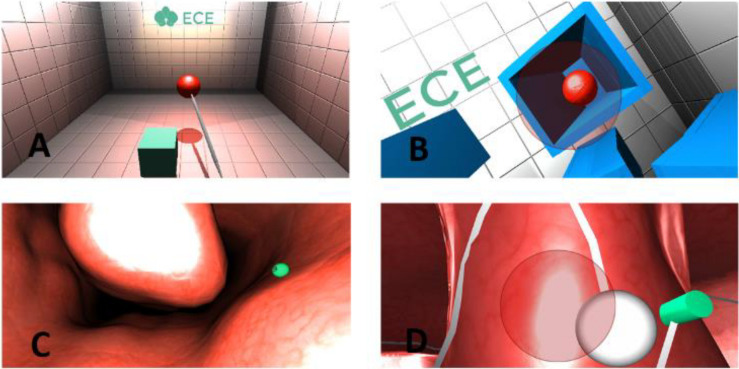
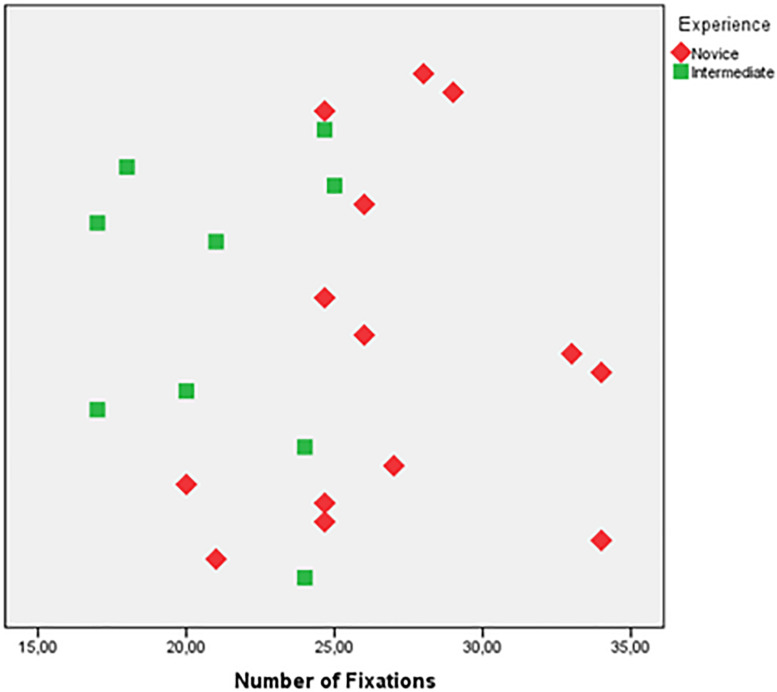
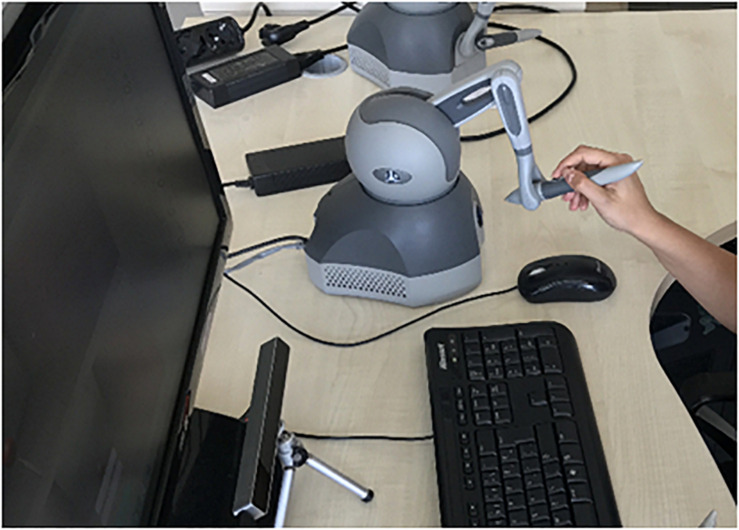
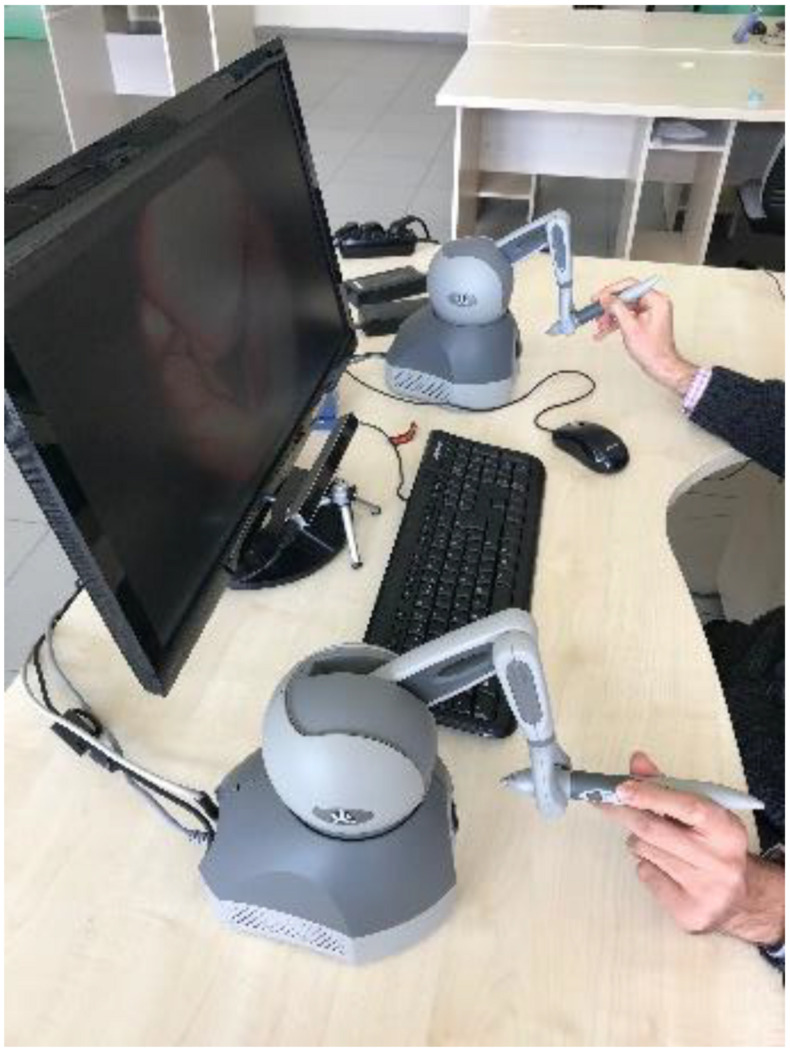
Surgical skill-level assessment is key to collecting the required feedback and adapting the educational programs accordingly. Currently, these assessments for the minimal invasive surgery programs are primarily based on subjective methods, and there is no consensus on skill level classifications. One of the most detailed of these classifications categorize skill levels as beginner, novice, intermediate, sub-expert, and expert. To properly integrate skill assessment into minimal invasive surgical education programs and provide skill-based training alternatives, it is necessary to classify the skill levels in as detailed a way as possible and identify the differences between all skill levels in an objective manner. Yet, despite the existence of very encouraging results in the literature, most of the studies have been conducted to better understand the differences between novice and expert surgical skill levels leaving out the other crucial skill levels between them. Additionally, there are very limited studies by considering the eye-movement behaviors of surgical residents. To this end, the present study attempted to distinguish novice- and intermediate-level surgical residents based on their eye movements. The eye-movement data was recorded from 23 volunteer surgical residents while they were performing four computer-based simulated surgical tasks under different hand conditions. The data was analyzed using logistic regression to estimate the skill levels of both groups. The best results of the estimation revealing a 91.3% recognition rate of predicting novice and intermediate surgical residents on one scenario were selected from four under the dominant hand condition. These results show that the eye-movements can be potentially used to identify surgeons with intermediate and novice skills. However, the results also indicate that the order in which the scenarios are provided, and the design of the scenario, the tasks, and their appropriateness with the skill levels of the participants are all critical factors to be considered in improving the estimation ratio, and hence require thorough assessment for future research.
手术技能水平评估是收集所需反馈并据此调整教育项目的关键。目前,这些针对微创手术项目的评估主要基于主观方法,且在技能水平分类上没有达成共识。其中最详细的分类之一将技能水平分为初学者、新手、中级、亚专家和专家。为了将技能评估适当地整合到微创手术教育项目中并提供基于技能的培训选择,有必要尽可能详细地对技能水平进行分类,并客观地识别所有技能水平之间的差异。然而,尽管文献中有非常令人鼓舞的结果,但大多数研究都是为了更好地理解新手和专家手术技能水平之间的差异,而忽略了它们之间的其他关键技能水平。此外,考虑外科住院医师眼动行为的研究非常有限。为此,本研究试图根据他们的眼动来区分新手和中级水平的外科住院医师。在23名志愿外科住院医师在不同手部条件下执行四项基于计算机的模拟手术任务时记录了眼动数据。使用逻辑回归分析数据以估计两组的技能水平。在优势手条件下的四种情况中,选择了一种情况下预测新手和中级外科住院医师的识别率为91.3%的最佳估计结果。这些结果表明,眼动有可能用于识别具有中级和新手技能的外科医生。然而,结果也表明,提供情况的顺序、情况的设计、任务及其与参与者技能水平的适配性都是提高估计比率时需要考虑的关键因素,因此需要在未来研究中进行全面评估。