Laboratoire des Venins et Biomolécules Thérapeutiques LR16IPT08, Université de Tunis El Manar, Institut Pasteur de Tunis, Tunis 1002, Tunisia.
Departamento de Bioquímica e Imunologia, Universida de Federal de Minas Gerais, Belo Horizonte, Minas Gerais 31270-901, Brazil.
Toxins (Basel). 2020 Oct 1;12(10):631. doi: 10.3390/toxins12100631.
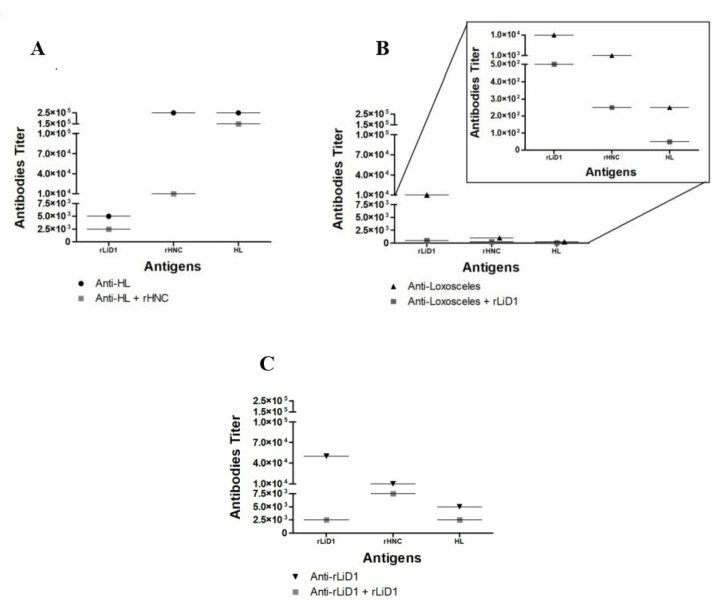
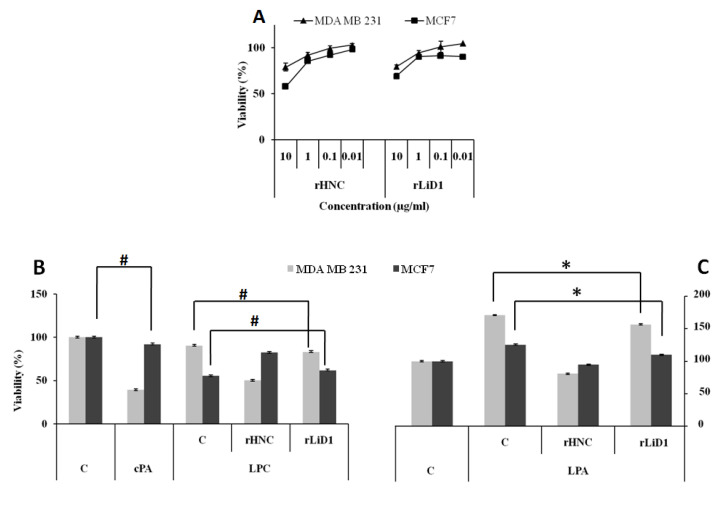
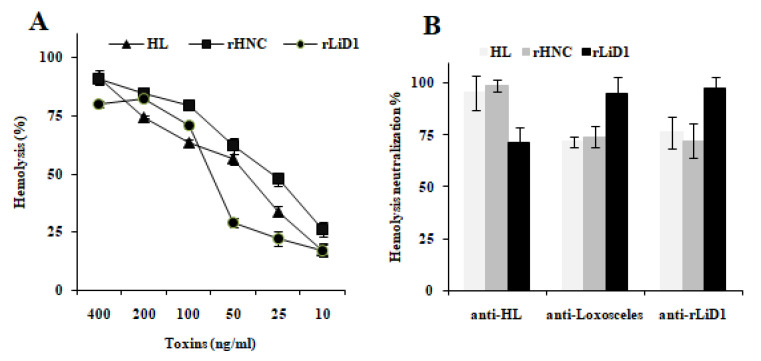
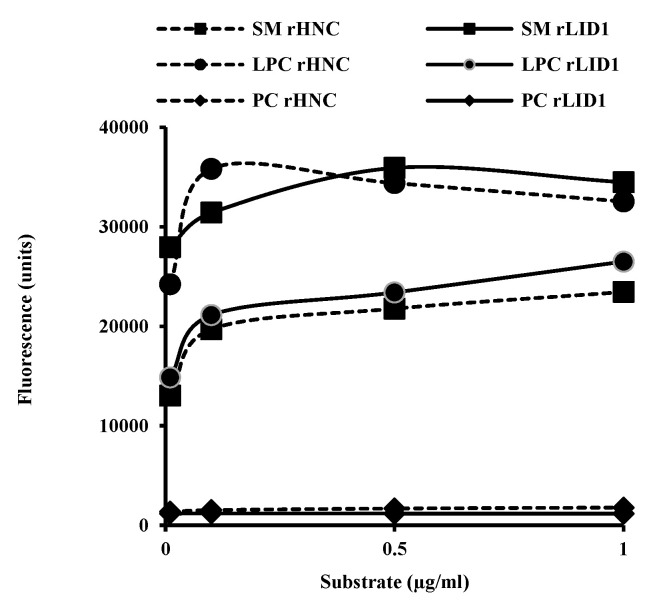
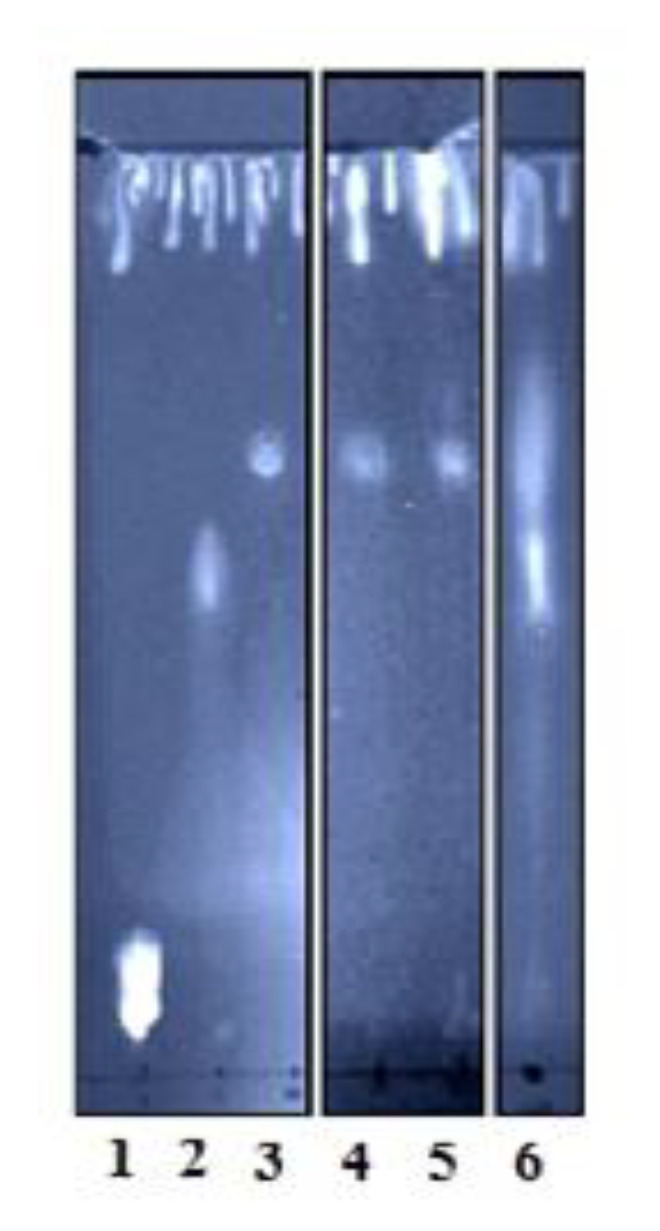
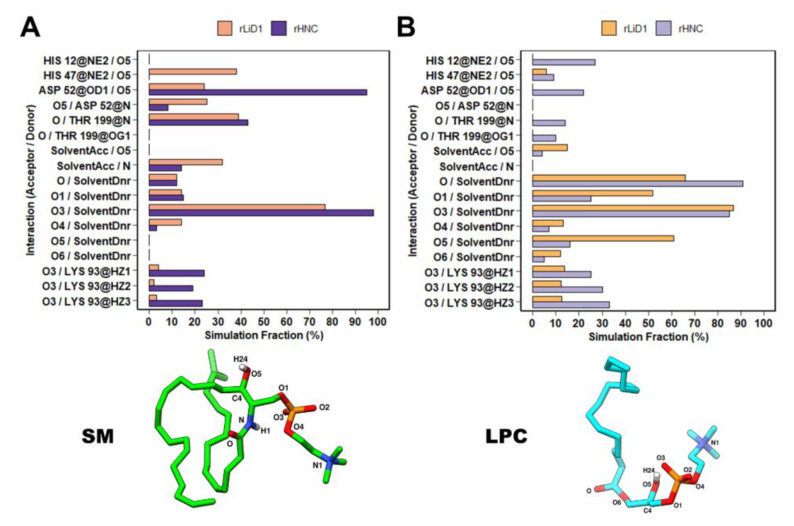
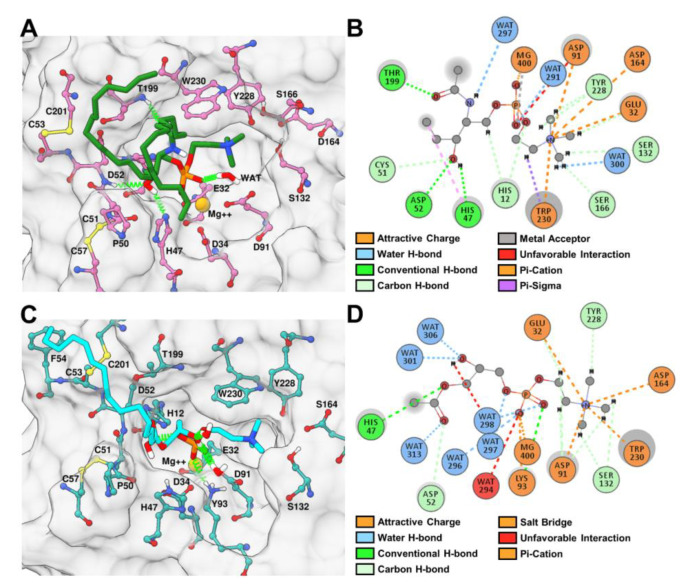
The scorpion and brown spider represent a public health problem in Asia and America, respectively. Although distinct, these organisms contain similar toxins responsible for the principal clinical signs of envenomation. To better understand the properties of these toxins, we designed a study to compare recombinant Heminecrolysin (rHNC) and rLiD1, the major phospholipase D toxins of scorpion and spider venom, respectively. Using a competitive ELISA and a hemolytic inhibition test, we come to spot a cross reaction between scorpion and spider venoms along with an epitopic similarity between rHNC and rLiD1 associated with neutralizing antibodies. Results show that the ability of the rHNC to hydrolyze lysophosphatidylcholine (LPC) is equivalent to that of rLiD1 to hydrolyze sphingomyelin and vice-versa. rHNC exclusively catalyze transphosphatidylation of LPC producing cyclic phosphatidic acid (cPA). The in-silico analysis of hydrogen bonds between LPC and toxins provides a possible explanation for the higher transphosphatidylase activity of rHNC. Interestingly, for the first time, we reveal that lysophosphatidic acid (LPA) can be a substrate for both enzymes using cellular and enzymatic assays. The finding of the usage of LPA as a substrate as well as the formation of cPA as an end product could shed more light on the molecular basis of envenomation as well as on loxoscelism.
蝎子和棕色蜘蛛分别代表了亚洲和美洲的公共卫生问题。尽管它们有所不同,但这些生物体内含有相似的毒素,这些毒素是导致中毒的主要临床症状的原因。为了更好地了解这些毒素的特性,我们设计了一项研究来比较重组 Heminecrolysin(rHNC)和 rLiD1,它们分别是蝎子和蜘蛛毒液中的主要磷脂酶 D 毒素。使用竞争性 ELISA 和溶血抑制试验,我们发现了蝎子和蜘蛛毒液之间存在交叉反应,以及 rHNC 和 rLiD1 之间存在中和抗体的表位相似性。结果表明,rHNC 水解溶血磷脂酰胆碱(LPC)的能力等同于 rLiD1 水解神经鞘磷脂的能力,反之亦然。rHNC 专门催化 LPC 的转磷酸化,生成环状磷酸脂酸(cPA)。LPC 和毒素之间氢键的计算机分析为 rHNC 更高的转磷酸酶活性提供了一个可能的解释。有趣的是,我们首次揭示了 LPA 可以作为两种酶的底物,这是通过细胞和酶学实验发现的。发现 LPA 可以作为底物,以及 cPA 作为终产物的形成,可以更深入地了解中毒以及溶血的分子基础。