Scherer Julian, Keller Frank, Pape Hans-Christoph, Osterhoff Georg
Department of Traumatology, University Hospital Zurich, Raemistrasse 100, 8091, Zurich, Switzerland.
Orthozentrum Rosenheim, Äußere Münchener Straße 94, 83026, Rosenheim, Germany.
BMC Surg. 2020 Oct 7;20(1):229. doi: 10.1186/s12893-020-00889-3.
eHealth applications have been proposed as an alternative to monitor patients in frequent intervals or over long distances. The aim of this study was to assess whether patients would accept an application on their smartphone to be monitored by their physicians.
During September 2017 and December 2017 a survey amongst smartphone users was conducted via paper and web-based questionnaires.
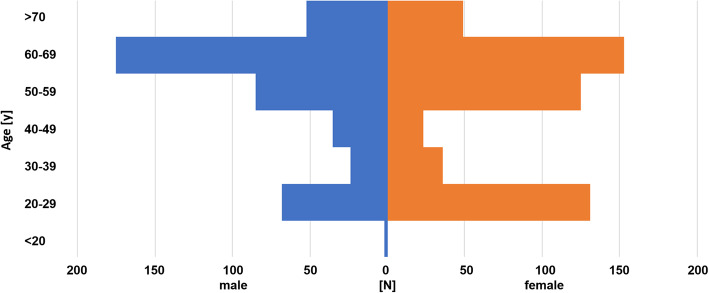
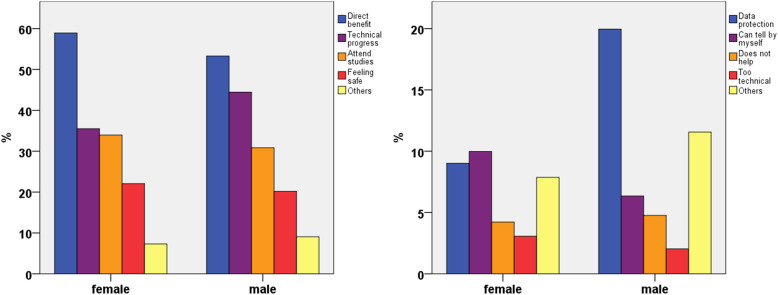
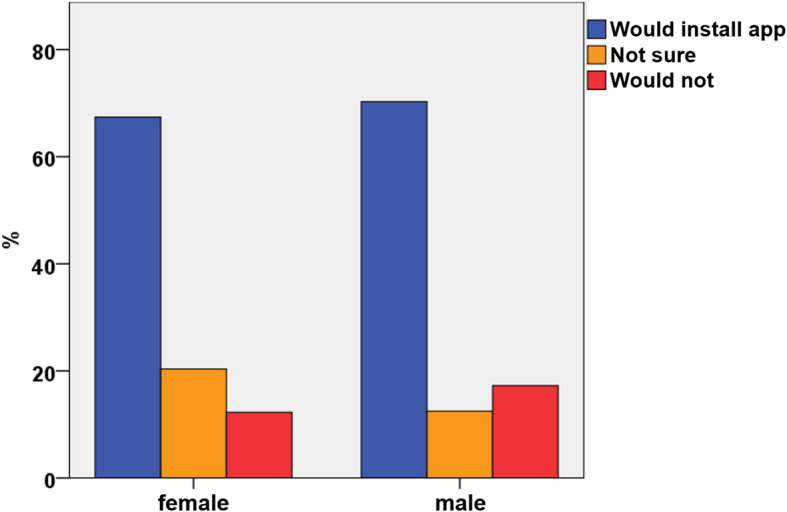
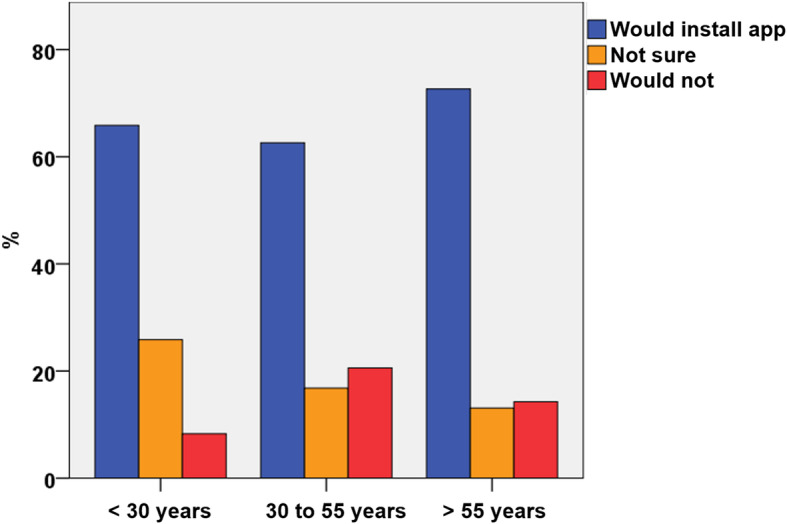
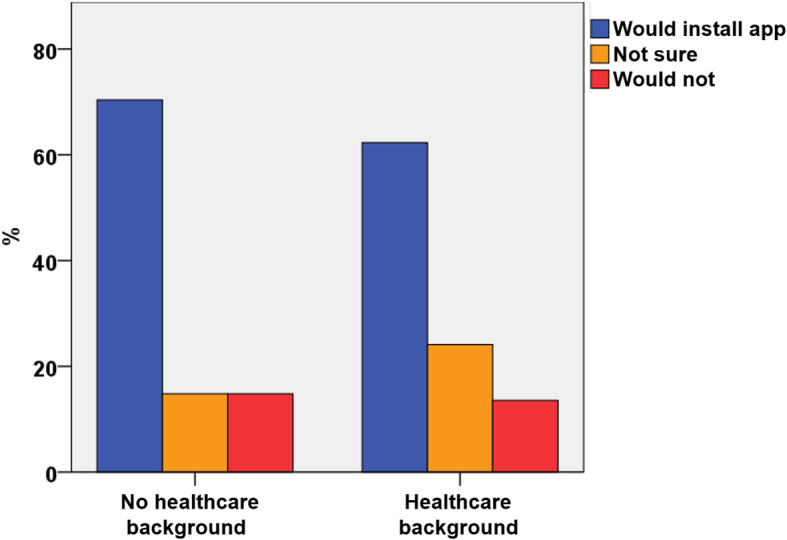
More than half of the 962 participants (54%) were older than 55 years of age. The majority of the participants (68.7%) would accept a follow-up by a smartphone application obtaining personal healthcare data. 72.6% of all patients older than 55 years of age would use the application. The most prevalent reason against installing the application was data protection. Patients being currently treated in an orthopaedic practice and pedestrians were more eager to accept a follow-up by a mobile app than participants from social media.
The majority of participants would accept a mobile application, collecting personal health-related data for postoperative follow-up, and saw a direct benefit for the patient in such an application.
电子健康应用程序已被提议作为一种在频繁间隔或远距离对患者进行监测的替代方案。本研究的目的是评估患者是否会接受在其智能手机上安装一款由医生进行监测的应用程序。
在2017年9月至2017年12月期间,通过纸质问卷和网络问卷对智能手机用户进行了一项调查。
962名参与者中,超过一半(54%)年龄在55岁以上。大多数参与者(68.7%)会接受通过获取个人医疗数据的智能手机应用程序进行随访。所有55岁以上的患者中,72.6%会使用该应用程序。反对安装该应用程序的最普遍原因是数据保护。目前在骨科诊所接受治疗的患者和行人比社交媒体参与者更愿意接受移动应用程序的随访。
大多数参与者会接受一款收集个人健康相关数据用于术后随访的移动应用程序,并认为此类应用程序对患者有直接益处。