Cell Biology Center, Institute of Innovative Research, Tokyo Institute of Technology, 4259-S2-12 Nagatsuta-cho, Midori-ku, Yokohama, 226-8503, Japan.
Tokyo Tech World Research Hub Initiative (WRHI), Institute of Innovative Research, Tokyo Institute of Technology, Yokohama, Japan.
Nat Commun. 2020 Oct 7;11(1):5052. doi: 10.1038/s41467-020-18805-x.
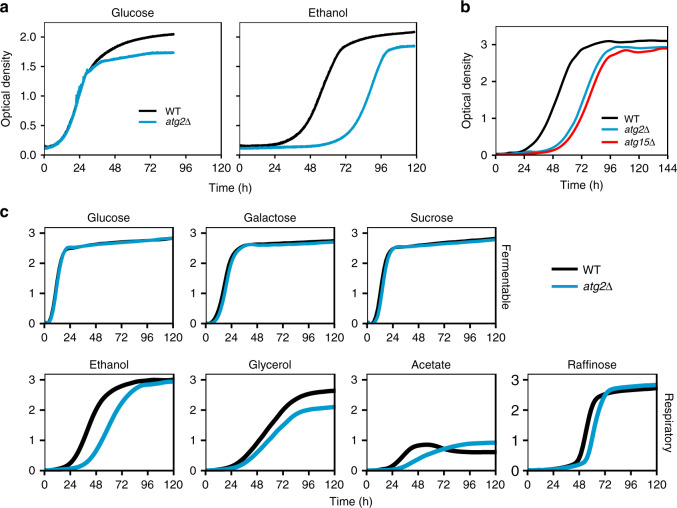
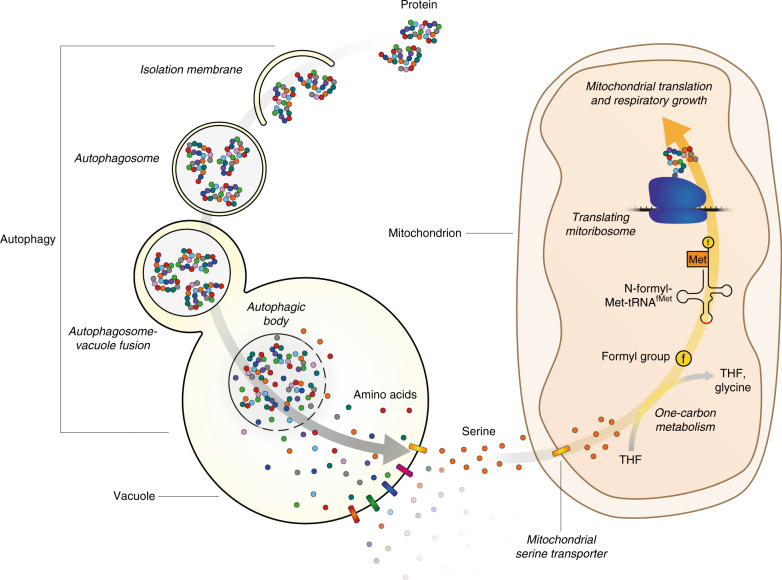
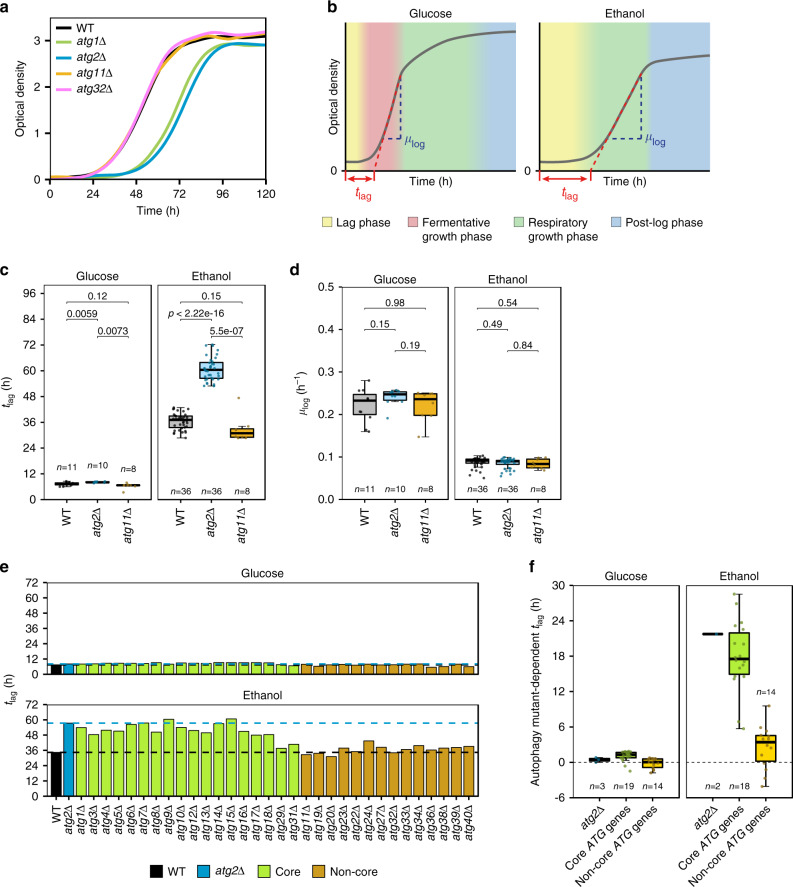
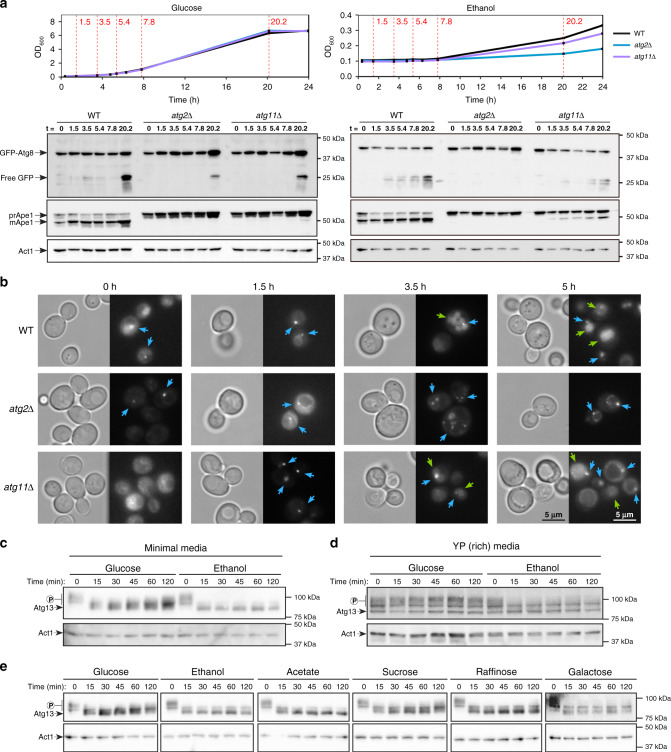
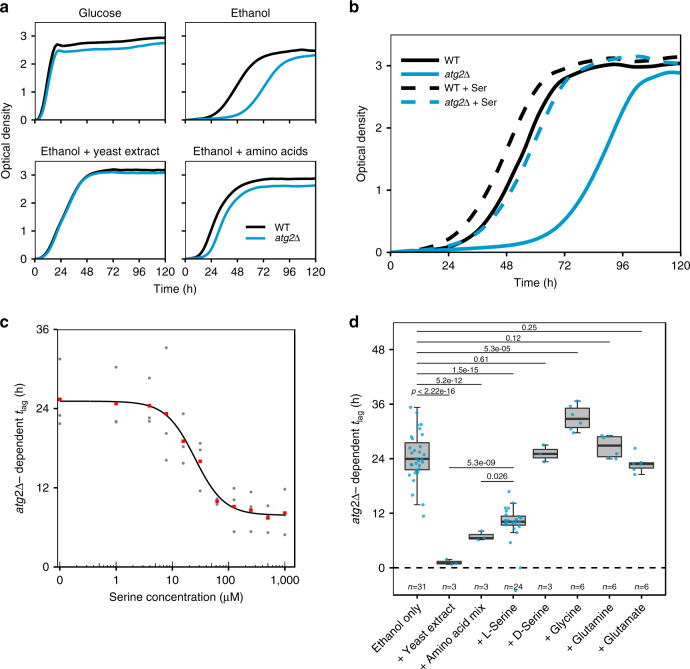
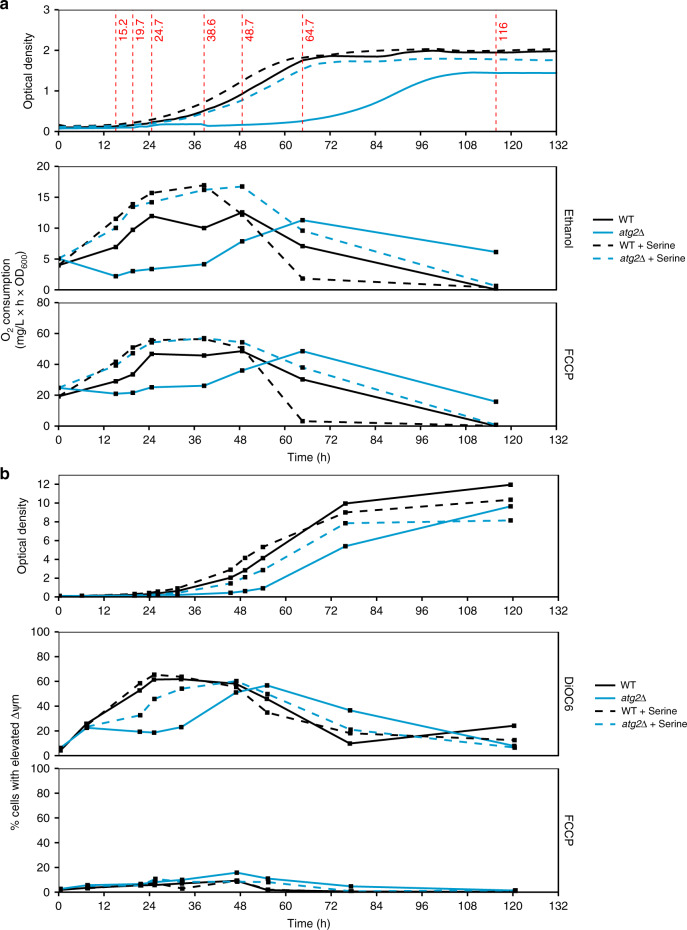
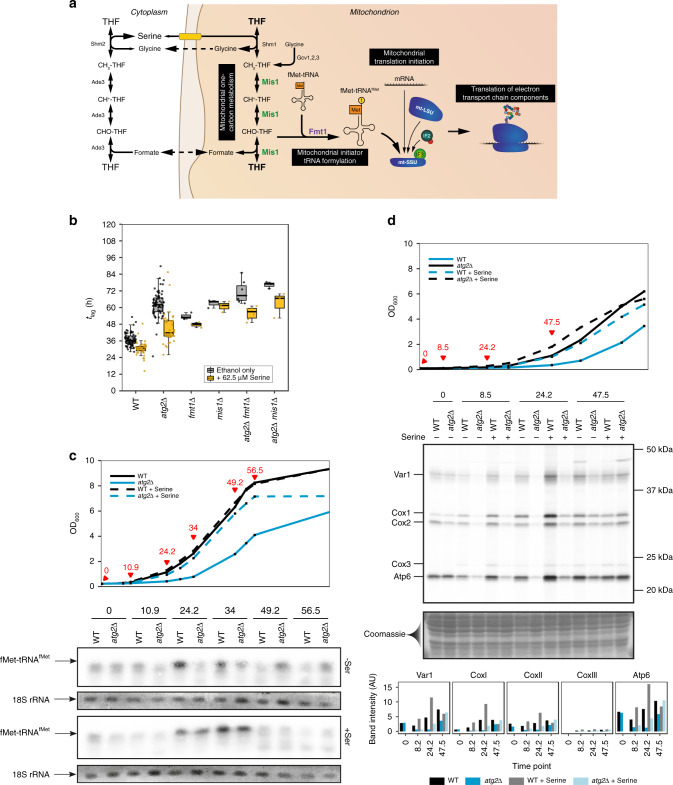
The mechanism and function of autophagy as a highly-conserved bulk degradation pathway are well studied, but the physiological role of autophagy remains poorly understood. We show that autophagy is involved in the adaptation of Saccharomyces cerevisiae to respiratory growth through its recycling of serine. On respiratory media, growth onset, mitochondrial initiator tRNA modification and mitochondrial protein expression are delayed in autophagy defective cells, suggesting that mitochondrial one-carbon metabolism is perturbed in these cells. The supplementation of serine, which is a key one-carbon metabolite, is able to restore mitochondrial protein expression and alleviate delayed respiratory growth. These results indicate that autophagy-derived serine feeds into mitochondrial one-carbon metabolism, supporting the initiation of mitochondrial protein synthesis and allowing rapid adaptation to respiratory growth.
自噬作为一种高度保守的批量降解途径的机制和功能得到了很好的研究,但自噬的生理作用仍知之甚少。我们表明,自噬通过回收丝氨酸参与了酿酒酵母对呼吸生长的适应。在呼吸培养基上,自噬缺陷细胞的生长起始、线粒体起始 tRNA 修饰和线粒体蛋白表达延迟,表明这些细胞中线粒体一碳代谢受到干扰。丝氨酸(一种关键的一碳代谢物)的补充能够恢复线粒体蛋白表达并缓解呼吸生长的延迟。这些结果表明,自噬衍生的丝氨酸进入线粒体一碳代谢,为线粒体蛋白合成的起始提供支持,使细胞能够快速适应呼吸生长。