Department of Molecular Physiology and Biophysics, Baylor College of Medicine, Houston, TX, USA.
Translational Biology and Molecular Medicine Graduate Program, Baylor College of Medicine, Houston, TX, USA.
Nat Commun. 2020 Oct 9;11(1):5099. doi: 10.1038/s41467-020-18865-z.
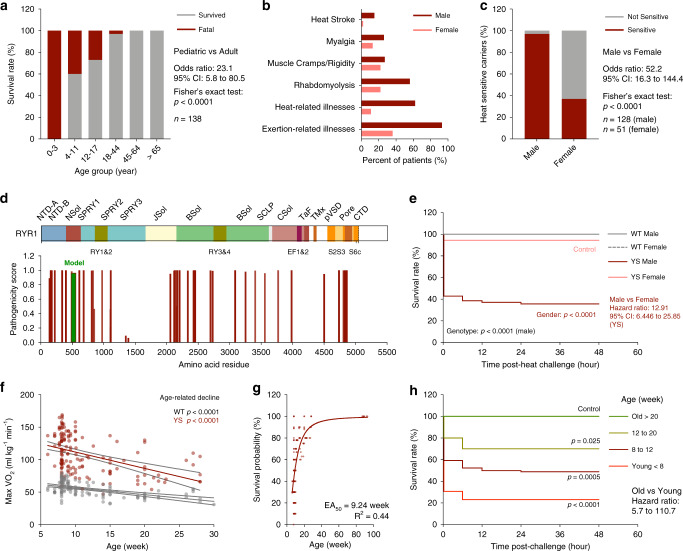
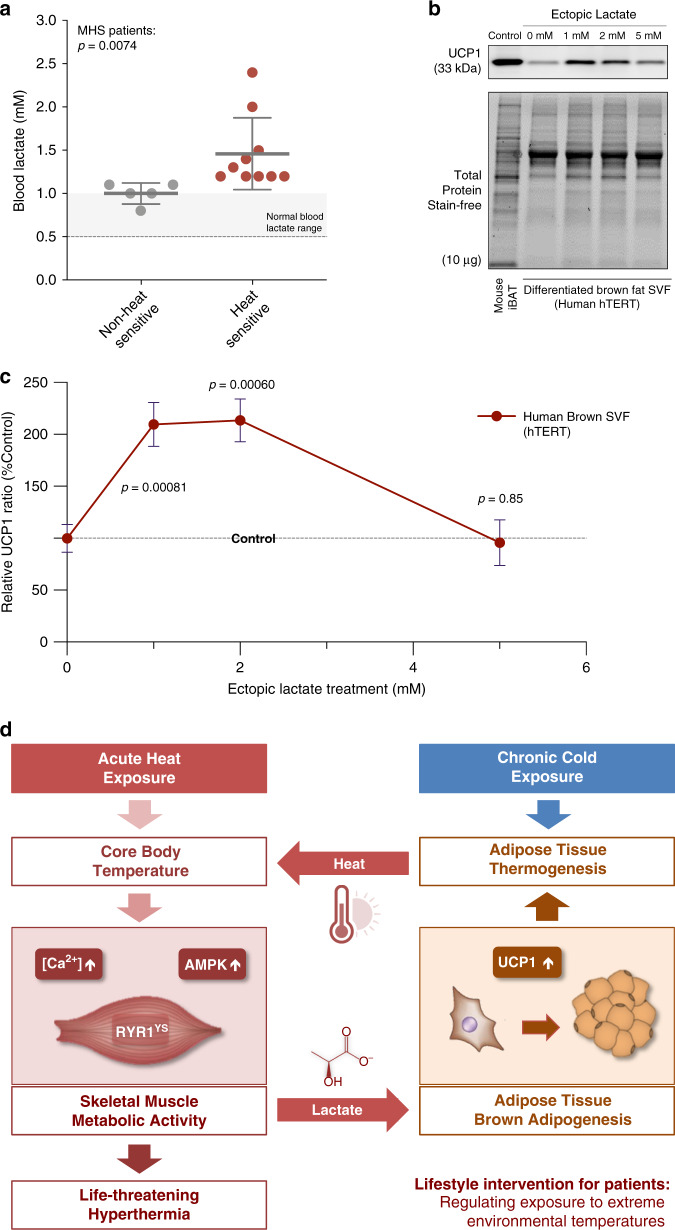
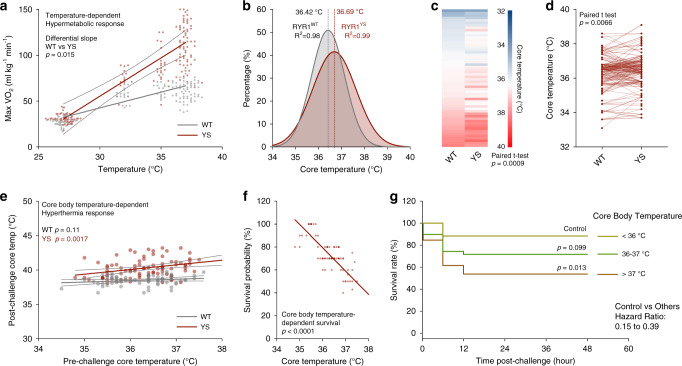
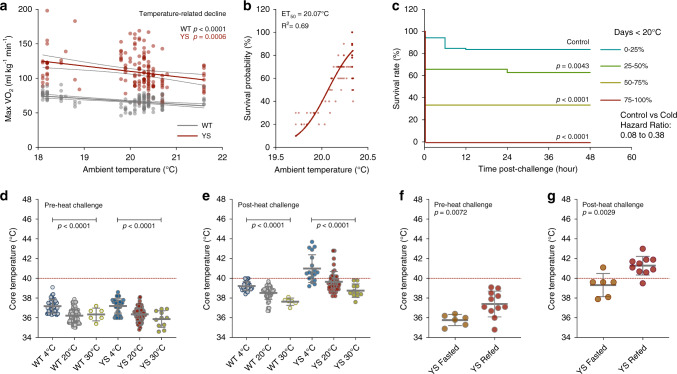
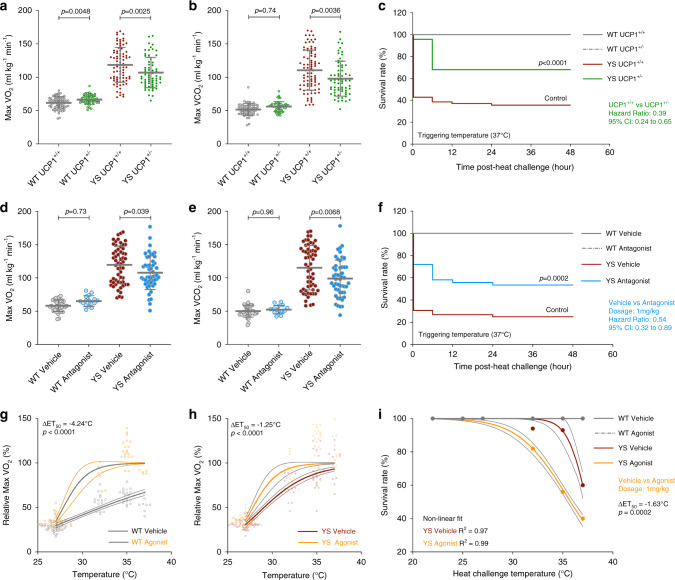
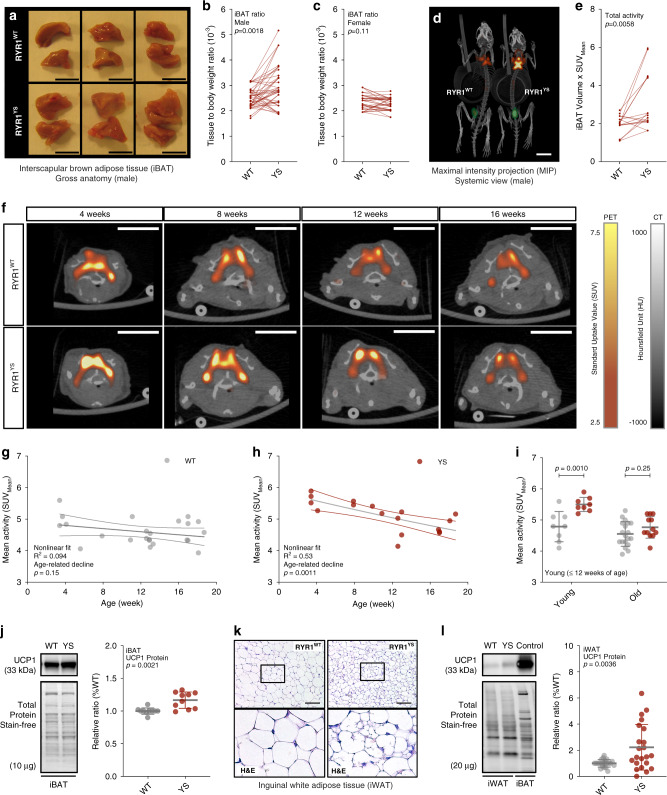
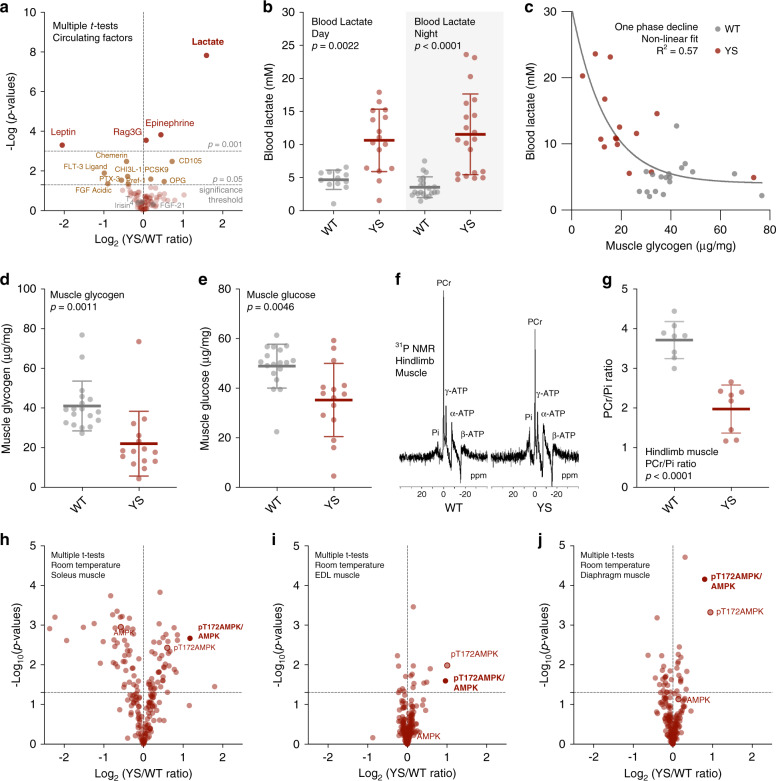
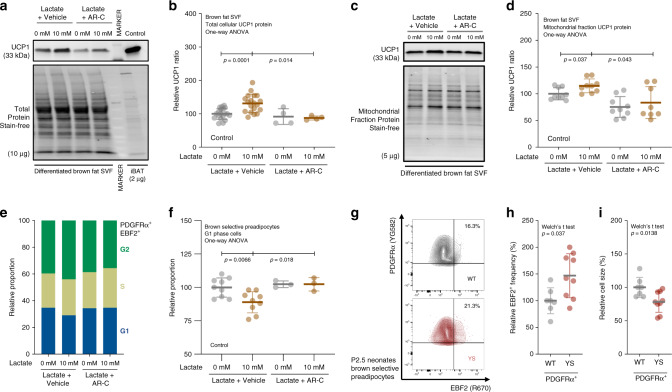
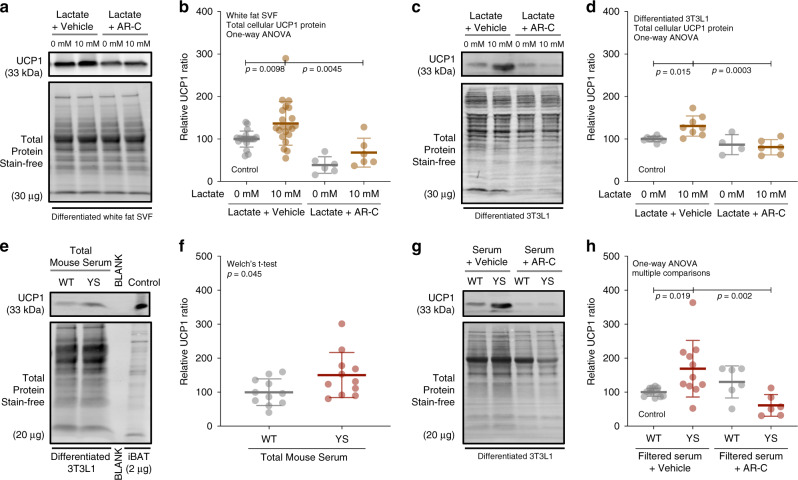
Mutations in the skeletal muscle Ca release channel, the type 1 ryanodine receptor (RYR1), cause malignant hyperthermia susceptibility (MHS) and a life-threatening sensitivity to heat, which is most severe in children. Mice with an MHS-associated mutation in Ryr1 (Y524S, YS) display lethal muscle contractures in response to heat. Here we show that the heat response in the YS mice is exacerbated by brown fat adaptive thermogenesis. In addition, the YS mice have more brown adipose tissue thermogenic capacity than their littermate controls. Blood lactate levels are elevated in both heat-sensitive MHS patients with RYR1 mutations and YS mice due to Ca driven increases in muscle metabolism. Lactate increases brown adipogenesis in both mouse and human brown preadipocytes. This study suggests that simple lifestyle modifications such as avoiding extreme temperatures and maintaining thermoneutrality could decrease the risk of life-threatening responses to heat and exercise in individuals with RYR1 pathogenic variants.
骨骼肌钙释放通道,即 1 型兰尼碱受体(RYR1)的突变会导致恶性高热易感性(MHS)和对热的致命敏感性,在儿童中最为严重。RYR1 中存在 MHS 相关突变(Y524S、YS)的小鼠在受热时会出现致命的肌肉痉挛。在这里,我们发现 YS 小鼠的热反应会因棕色脂肪适应性产热而加剧。此外,YS 小鼠的棕色脂肪组织产热能力比其同窝对照小鼠更强。由于 Ca 驱动的肌肉代谢增加,携带 RYR1 突变的热敏感 MHS 患者和 YS 小鼠的血液乳酸水平升高。乳酸会增加小鼠和人类棕色前体脂肪细胞中的棕色脂肪生成。这项研究表明,简单的生活方式改变,如避免极端温度和保持体温适中,可能会降低携带 RYR1 致病性变异个体对热和运动的致命反应的风险。