Division of Diabetes, Endocrinology and Metabolism, Imperial College London, London, UK.
Department of Clinical Biochemistry, Manchester University NHS Foundation Trust, Manchester, UK.
Ann Clin Biochem. 2021 Jan;58(1):16-21. doi: 10.1177/0004563220968473. Epub 2020 Oct 28.
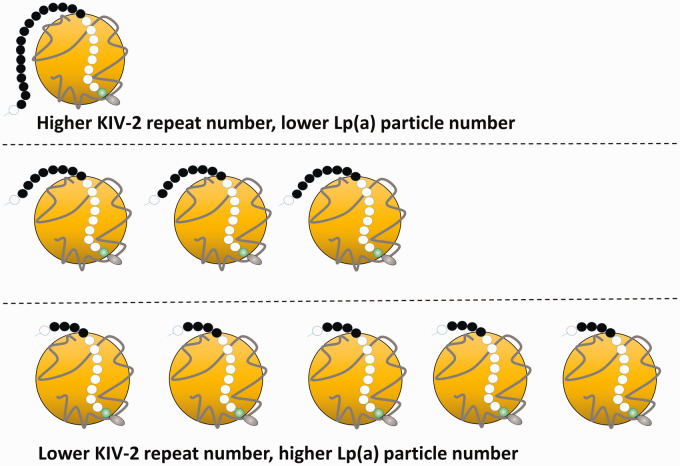
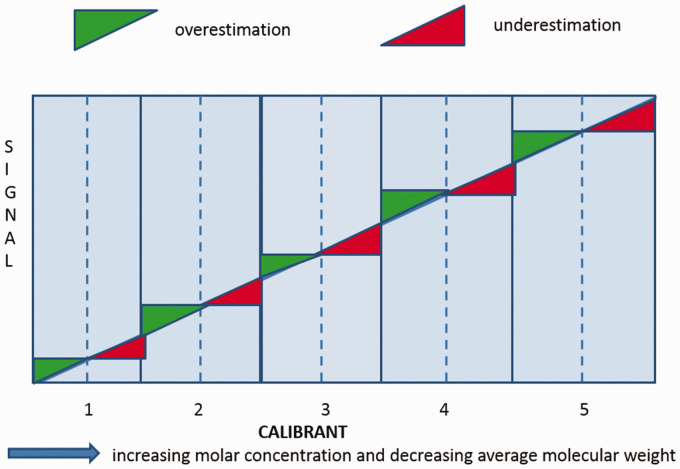
Lipoprotein(a) has long been regarded as a risk factor for cardiovascular disease; however, its routine use in clinical practice has been hampered by difficulties inherent in the measurement of this complex lipoprotein. The major challenges relate to its size heterogeneity and related issues including (1) use of appropriate calibrators (2) standardization of calibration protocols (3) traceability and (4) reporting units. In the UK, results from the current EQA schemes for lipoprotein(a) suggest that there is considerable work required to standardize lipoprotein(a) measurement. This is becoming increasingly pertinent with the increasing recognition of lipoprotein(a) as an independent risk factor for cardiovascular disease in international guidelines and the emergence of novel antisense therapies to effectively reduce lipoprotein(a). This article raises awareness of the importance of measurement of lipoprotein(a) for the assessment of cardiovascular disease risk and gives guidance to clinical laboratories regarding choice of appropriate assays.
脂蛋白(a) 长期以来一直被视为心血管疾病的危险因素;然而,由于这种复杂脂蛋白的测量存在固有困难,其在临床实践中的常规应用受到了阻碍。主要挑战涉及到其大小异质性和相关问题,包括 (1) 使用适当的校准品,(2) 校准方案的标准化,(3) 可追溯性和 (4) 报告单位。在英国,目前脂蛋白(a) 的 EQA 方案的结果表明,需要做大量工作来标准化脂蛋白(a)的测量。随着国际指南中越来越多地认识到脂蛋白(a) 是心血管疾病的独立危险因素,以及新型反义疗法的出现,有效地降低脂蛋白(a),这一点变得越来越重要。本文提高了对脂蛋白(a) 测量在评估心血管疾病风险方面的重要性的认识,并为临床实验室提供了有关选择适当检测方法的指导。