Brazen Brett C, Wehausen Brooke, Usmani Andleeb A
Dermatology, Nova Southeastern University - Kiran C. Patel College of Osteopathic Medicine, Palm Harbor, USA.
Dermatology, Broward Health Medical Center, Fort Lauderdale, USA.
Cureus. 2020 Sep 6;12(9):e10272. doi: 10.7759/cureus.10272.
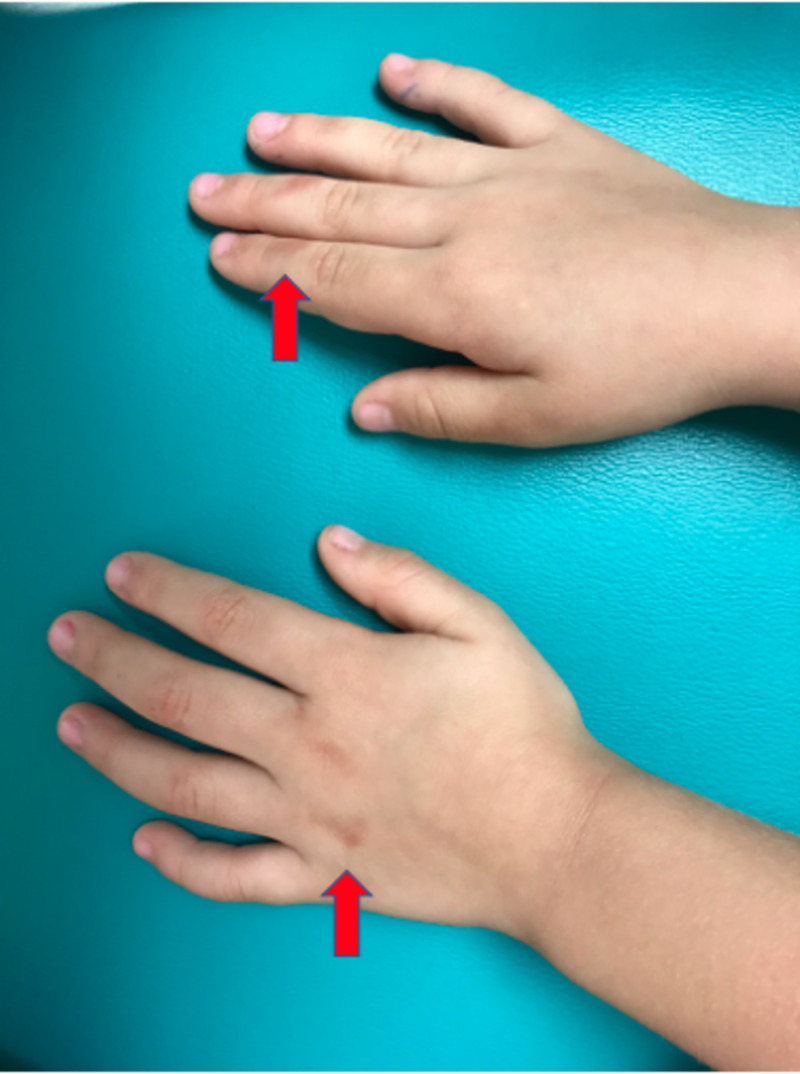
Slime and Play-Doh have been gaining popularity among adolescents and preteens. Both are gooey, viscoelastic substances that can be morphed and molded into virtually anything imaginable. Slime can be made from several household products including school glue and borax, which have both been linked to cases of irritant and allergic contact dermatitis, conditions that historically involve activation of many immune-regulatory cells such as Langerhans' cells and T cells. We review the rising incidence of contact dermatitis related to Slime and Play-Doh, pathogenesis, and hallmark findings, along with several treatment options to help clinicians expediently diagnose and treat the condition.
史莱姆胶和培乐多彩泥在青少年和儿童中越来越受欢迎。它们都是粘性的、具有粘弹性的物质,可以被塑造成几乎任何可以想象到的东西。史莱姆胶可以由几种家居用品制成,包括学校胶水和硼砂,这两种物质都与刺激性和过敏性接触性皮炎病例有关,从历史上看,这些病症涉及许多免疫调节细胞的激活,如朗格汉斯细胞和T细胞。我们回顾了与史莱姆胶和培乐多彩泥相关的接触性皮炎的发病率上升情况、发病机制和标志性发现,以及几种治疗选择,以帮助临床医生快速诊断和治疗这种病症。