Department of Pharmacology, Northwestern University Feinberg School of Medicine, Chicago, IL, USA.
Center for Pharmacogenomics, Northwestern University Feinberg School of Medicine, Chicago, IL, USA.
J Thromb Thrombolysis. 2021 May;51(4):890-896. doi: 10.1007/s11239-020-02299-x. Epub 2020 Oct 13.
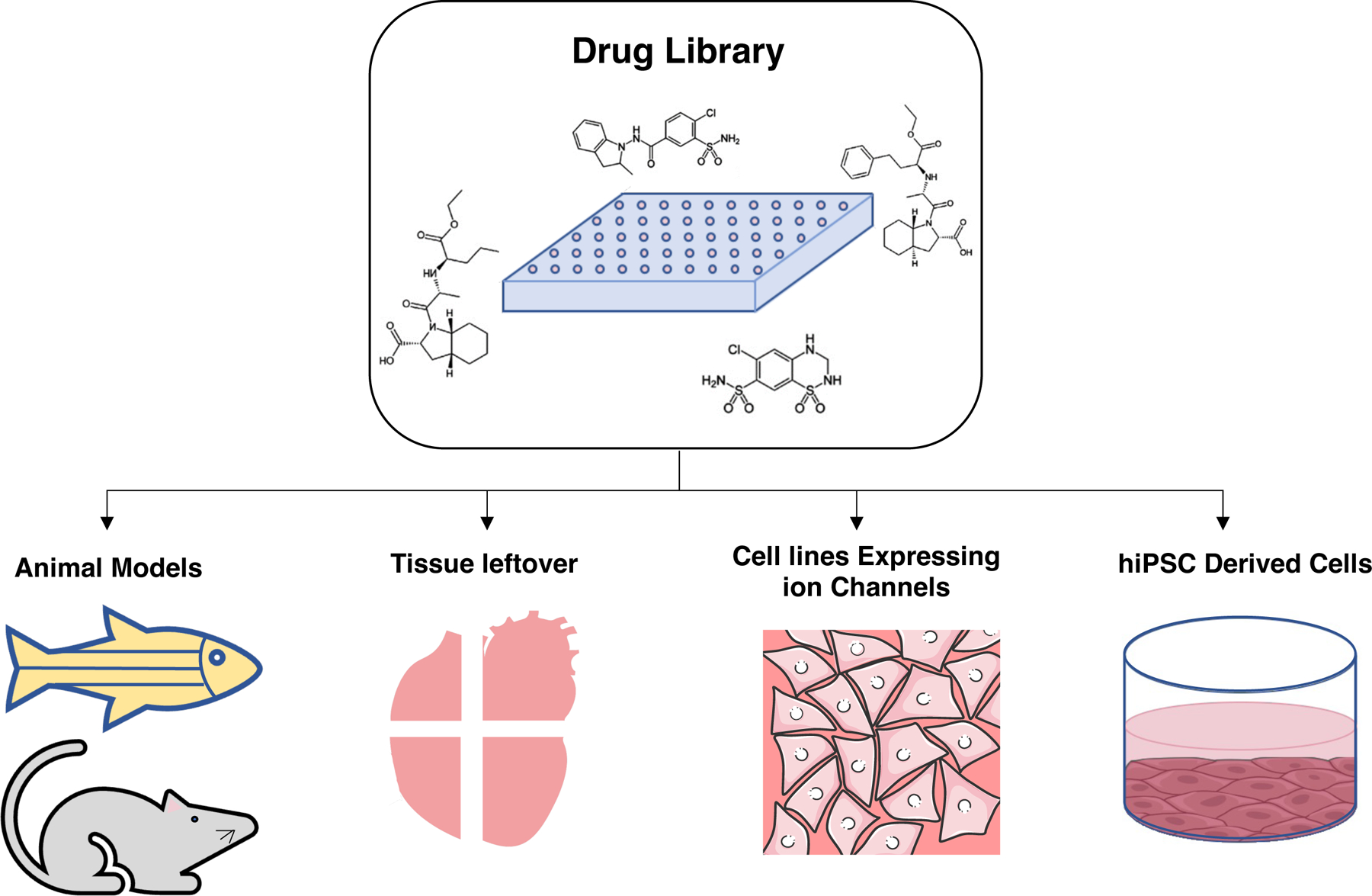
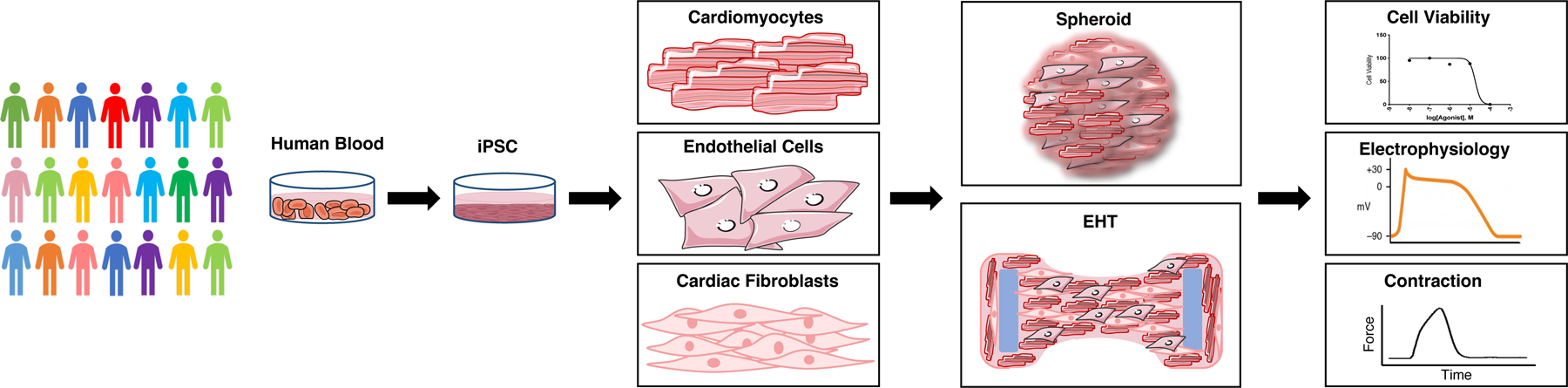
In spite of all the efforts for generating efficient pharmacological treatment options for cancer patients, the unwanted side effect of these substances on the cardiovascular system is becoming a major issue for cancer survivors. The fast pacing oncology field necessitate the quest for more accurate and reliable preclinical screenings. hiPSCs derived cardiomyocytes, endothelial and vascular smooth muscle cells provide unlimited source of physiologically relevant cells that could be used in the screening platforms. Cells derived from hiPSCs can measure drug induced alterations to different aspect of the heart including electrophysiology, contractility and structure. In this review, we will give an overview of the different in vivo and in vitro preclinical drug safety screenings. In following sections, we will focus on hiPSCs derived cardiomyocytes, endothelial and vascular smooth muscle cells and present the current knowledge of the application of these cells in unicellular cardiotoxicity assays. In the final part, we will focus on cardiac organoids as multi cell type platform and their role in cardiotoxicity screening of the chemotherapeutic drugs.
尽管为癌症患者生成有效药物治疗方案做出了种种努力,但这些物质对心血管系统的不良副作用正成为癌症幸存者的主要问题。肿瘤学领域的快速发展需要更准确和可靠的临床前筛选。hiPSCs 分化而来的心肌细胞、内皮细胞和血管平滑肌细胞为用于筛选平台的具有生理相关性的细胞提供了无限的来源。hiPSCs 衍生的细胞可测量药物对心脏不同方面的影响,包括电生理学、收缩性和结构。在这篇综述中,我们将概述不同的体内和体外临床前药物安全性筛选。在接下来的部分中,我们将重点介绍 hiPSCs 分化而来的心肌细胞、内皮细胞和血管平滑肌细胞,并介绍这些细胞在单细胞心脏毒性测定中的应用现状。最后一部分将聚焦于心脏类器官作为多细胞类型平台及其在化疗药物心脏毒性筛选中的作用。