State Key Laboratory of Cardiovascular Disease, Department of Cardiology, Fuwai Hospital, National Center for Cardiovascular Diseases, Chinese Academy of Medical Sciences and Peking Union Medical College, Beijing 100037, China.
Department of Internal Medicine (Cardiology), University of Texas Southwestern Medical Center, Dallas, TX 75390-8573, USA.
Theranostics. 2020 Sep 23;10(25):11754-11774. doi: 10.7150/thno.43163. eCollection 2020.
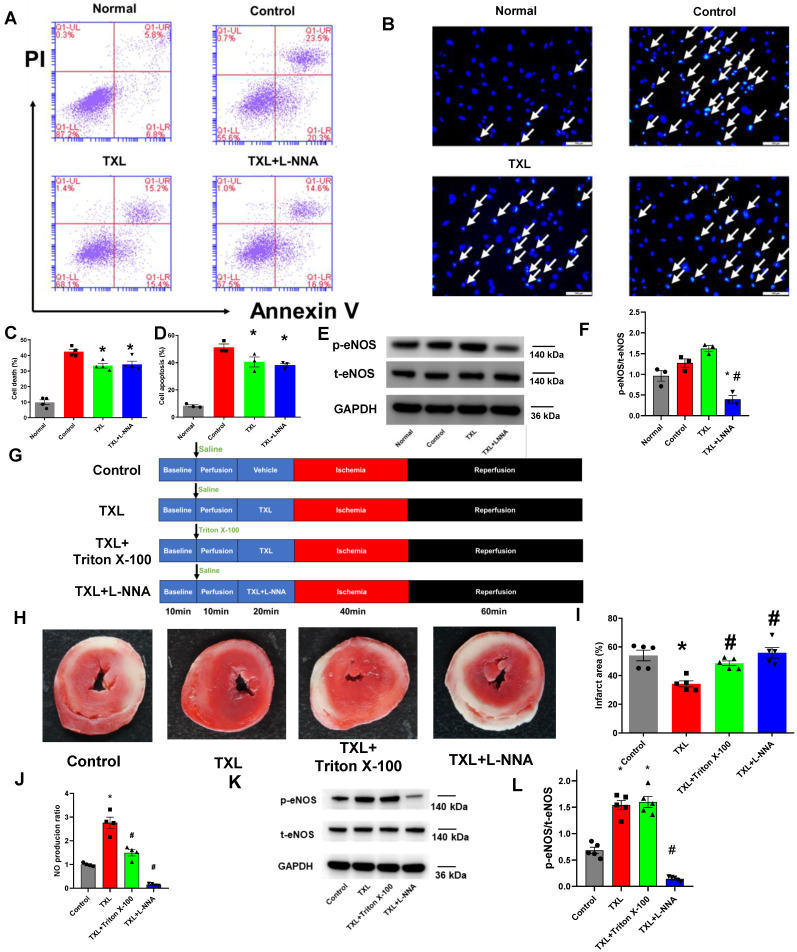
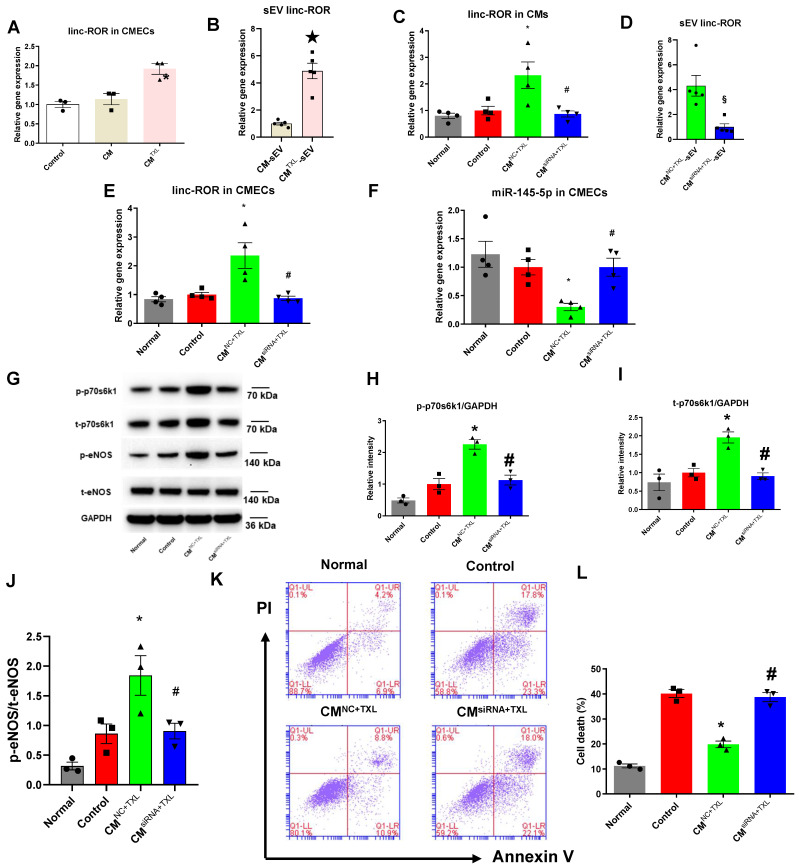
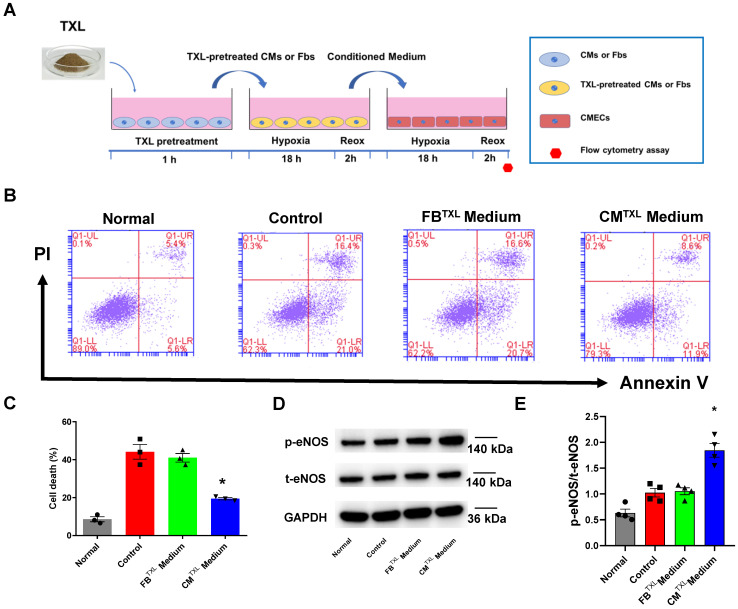
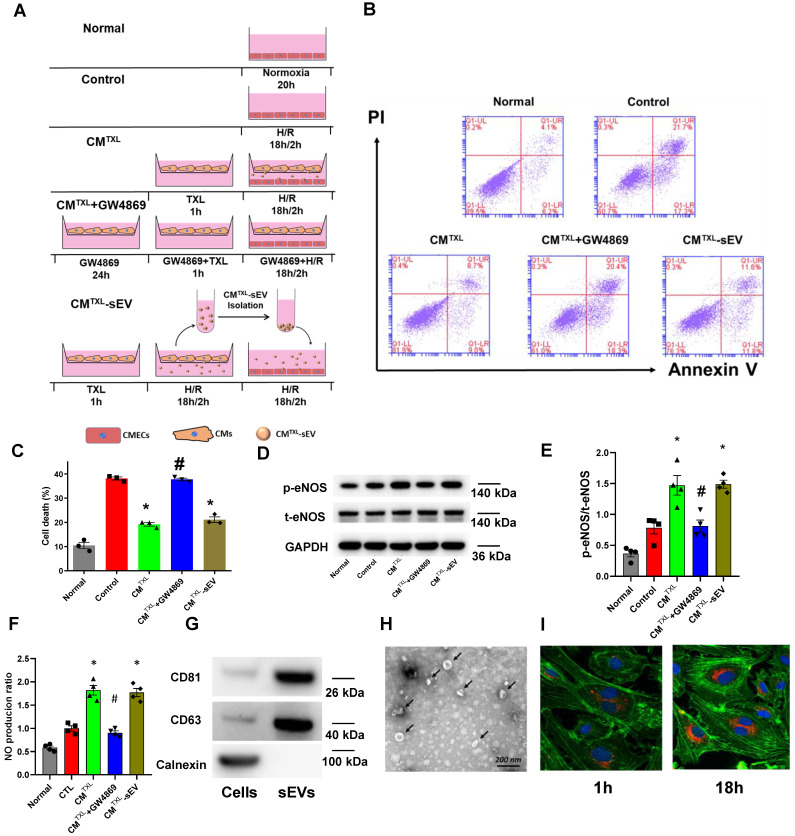
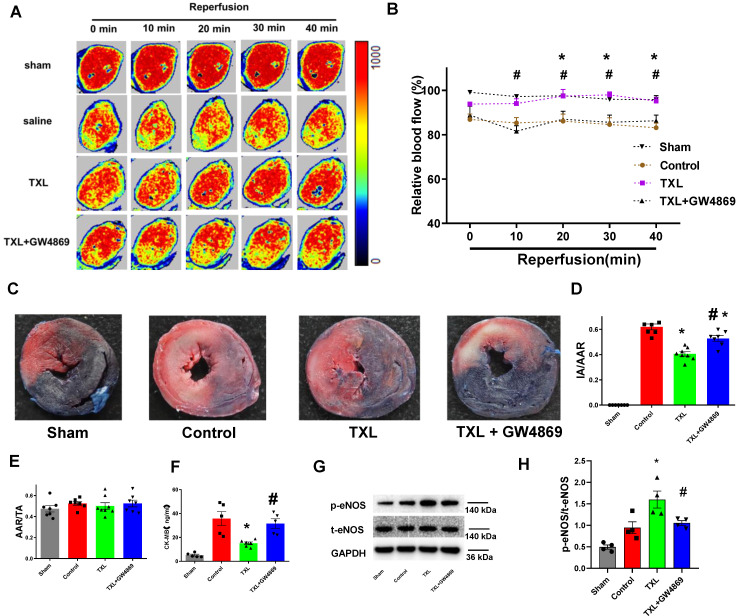
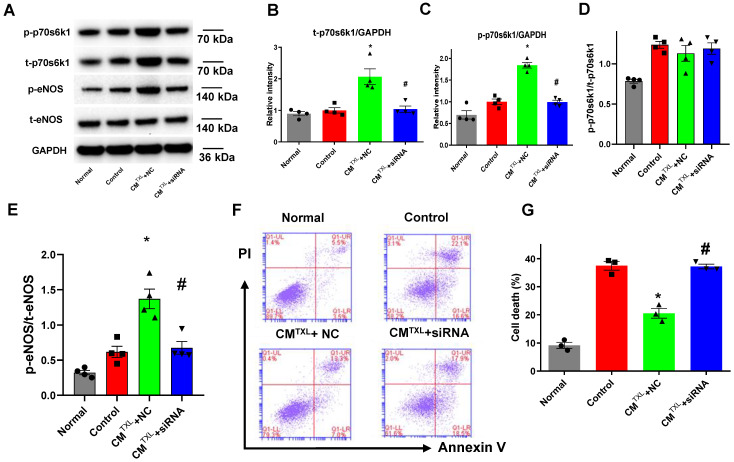
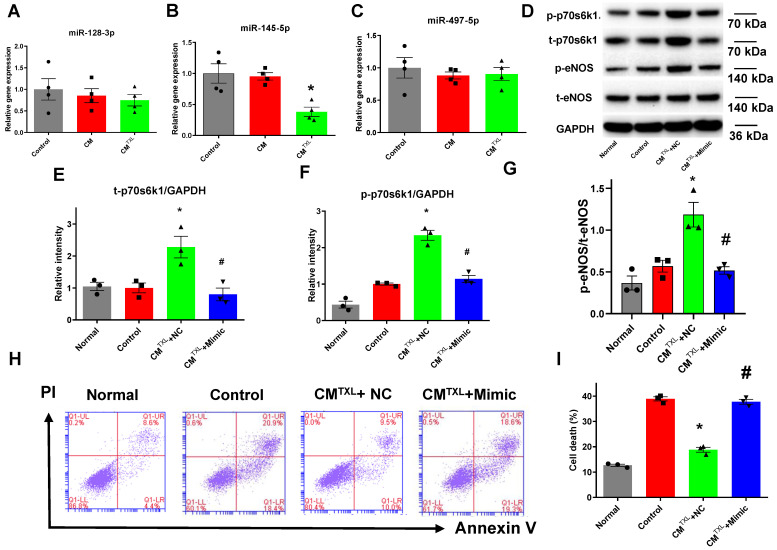
The crosstalk between cardiac microvascular endothelial cells (CMECs) and cardiomyocytes (CMs) has emerged as a key component in the development of, and protection against, cardiac diseases. For example, activation of endothelial nitric oxide synthase (eNOS) in CMECs, by therapeutic strategies such as ischemic preconditioning, plays a critical role in the protection against myocardial ischemia/reperfusion (I/R) injury. However, much less is known about the signals produced by CMs that are able to regulate CMEC biology. Here we uncovered one such mechanism using Tongxinluo (TXL), a traditional Chinese medicine, that alleviates myocardial ischemia/reperfusion (I/R) injury by activating CMEC eNOS. The aim of our study is to identify the signals produced by CMs that can regulate CMEC biology during I/R. and settings of ischemia-reperfusion were used in our study, with the protective signaling pathways activated in CMECs identified using genetic inhibition (p70s6k1 siRNA, miR-145-5p mimics, etc.), chemical inhibitors (the eNOS inhibitor, L-NNA, and the small extracellular vesicles (sEVs) inhibitor, GW4869) and Western blot analyses. TritonX-100 at a dose of 0.125% was utilized to inactivate the eNOS activity in endothelium to investigate the role of CMEC-derived eNOS in TXL-induced cardioprotection. We found that while CMEC-derived eNOS activity was required for the cardioprotection of TXL, activation of eNOS in CMECs by TXL did not occur directly. Instead, eNOS activation in CMECs required a crosstalk between CMs and CMECs through the uptake of CM-derived sEVs. We further demonstrate that TXL induced CM-sEVs contain increased levels of Long Intergenic Non-Protein Coding RNA, Regulator Of Reprogramming (Linc-ROR). Upon uptake into CMECs, linc-ROR downregulates its target miR-145-5p leading to activation of the eNOS pathway by facilitating the expression of p70s6k1 in these cells. The activation of CMEC-derived eNOS works to increase survival in both the CMECs and the CMs themselves. These data uncover a mechanism by which the crosstalk between CMs and CMECs leads to the increased survival of the heart after I/R injury and point to a new therapeutic target for the blunting of myocardial I/R injury.
心脏微血管内皮细胞 (CMECs) 和心肌细胞 (CMs) 之间的串扰已成为心脏疾病发展和保护的关键组成部分。例如,通过缺血预处理等治疗策略激活 CMECs 中的内皮型一氧化氮合酶 (eNOS),在心肌缺血/再灌注 (I/R) 损伤的保护中发挥关键作用。然而,对于能够调节 CMEC 生物学的来自 CMs 的信号知之甚少。在这里,我们使用一种传统中药通心络 (TXL) 揭示了一种这样的机制,它通过激活 CMEC 的 eNOS 来减轻心肌缺血/再灌注 (I/R) 损伤。我们研究的目的是确定在 I/R 期间可以调节 CMEC 生物学的来自 CMs 的信号。我们在研究中使用了缺血再灌注的设定,使用遗传抑制 (p70s6k1 siRNA、miR-145-5p 模拟物等)、化学抑制剂 (eNOS 抑制剂 L-NNA 和小细胞外囊泡 (sEVs) 抑制剂 GW4869) 和 Western blot 分析来鉴定在 CMECs 中激活的保护信号通路。我们使用 0.125%的 TritonX-100 来使内皮细胞中的 eNOS 活性失活,以研究 CMEC 衍生的 eNOS 在 TXL 诱导的心脏保护中的作用。我们发现,虽然 CMEC 衍生的 eNOS 活性是 TXL 心脏保护所必需的,但 TXL 并不直接激活 CMEC 中的 eNOS。相反,eNOS 在 CMECs 中的激活需要通过 CM 与 CMEC 之间的串扰来实现,这是通过摄取 CM 衍生的 sEVs 实现的。我们进一步证明,TXL 诱导的 CM-sEVs 包含增加水平的长基因间非蛋白编码 RNA,调节重编程 (Linc-ROR)。进入 CMECs 后,linc-ROR 下调其靶 miR-145-5p,通过促进这些细胞中 p70s6k1 的表达来激活 eNOS 途径。CMEC 衍生的 eNOS 的激活有助于增加 I/R 损伤后心脏中 CMECs 和 CMs 本身的存活。这些数据揭示了一种机制,即 CMs 和 CMECs 之间的串扰导致 I/R 损伤后心脏的存活增加,并为减弱心肌 I/R 损伤指出了一个新的治疗靶点。