Department of Oncology, St. Jude Children's Research Hospital, Memphis, TN; Hematological Malignancies Program, St. Jude Children's Research Hospital, Memphis, TN.
Hematological Malignancies Program, St. Jude Children's Research Hospital, Memphis, TN; Department of Pathology, St. Jude Children's Research Hospital, Memphis, TN.
Haematologica. 2020 Nov 1;105(11):2524-2539. doi: 10.3324/haematol.2020.247031.
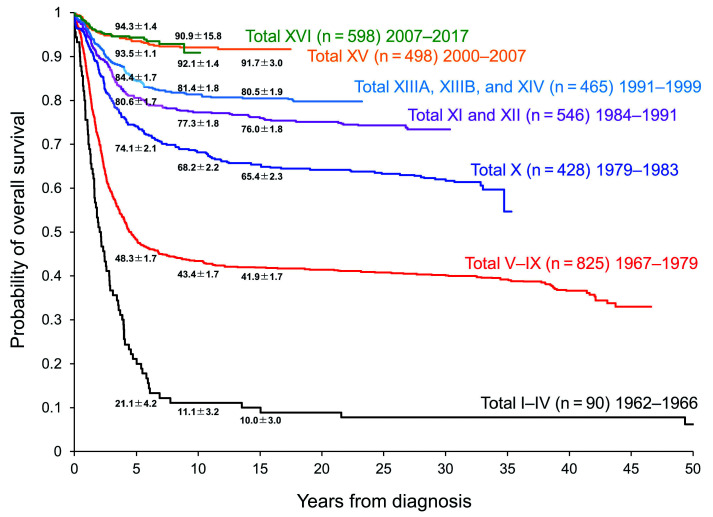
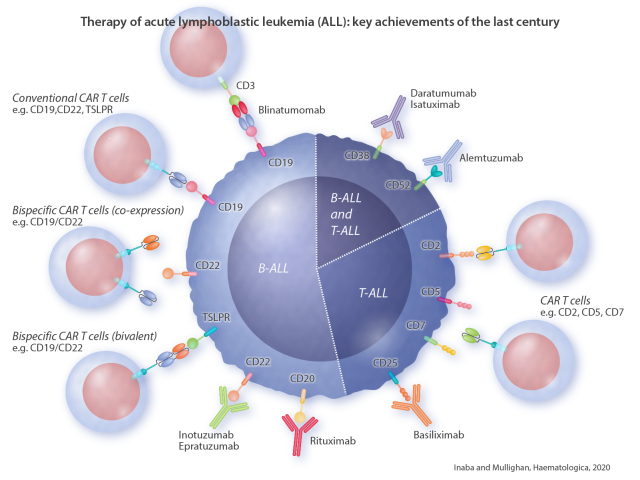
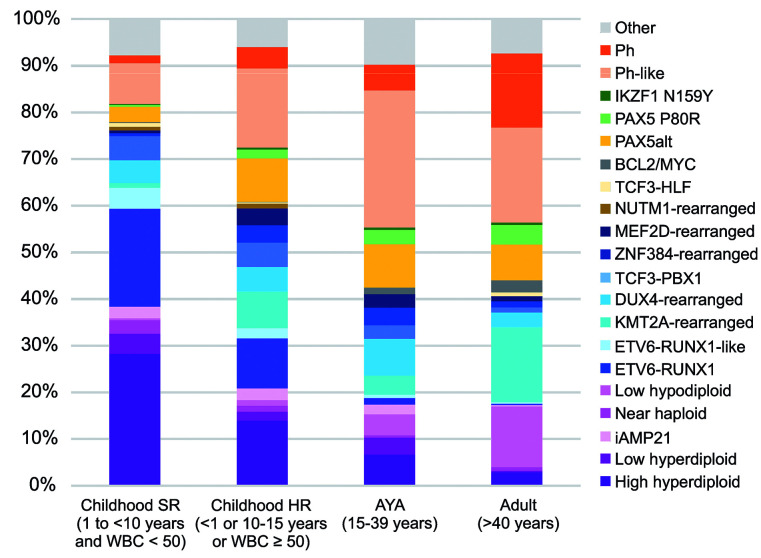
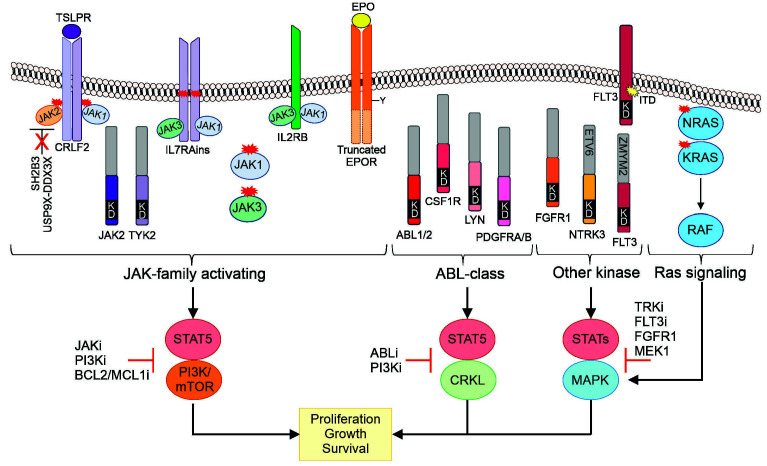
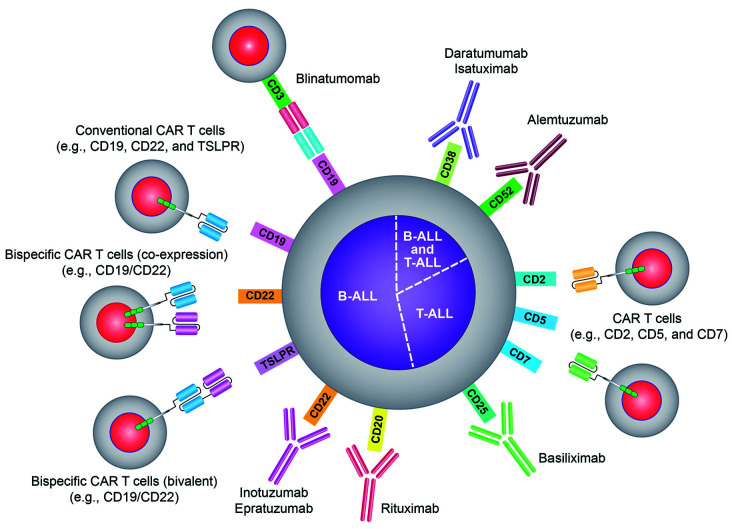
The last decade has witnessed great advances in our understanding of the genetic and biological basis of childhood acute lymphoblastic leukemia (ALL), the development of experimental models to probe mechanisms and evaluate new therapies, and the development of more efficacious treatment stratification. Genomic analyses have revolutionized our understanding of the molecular taxonomy of ALL, and these advances have led the push to implement genome and transcriptome characterization in the clinical management of ALL to facilitate more accurate risk-stratification and, in some cases, targeted therapy. Although mutation- or pathway-directed targeted therapy (e.g., using tyrosine kinase inhibitors to treat Philadelphia chromosome [Ph]-positive and Phlike B-cell-ALL) is currently available for only a minority of children with ALL, many of the newly identified molecular alterations have led to the exploration of approaches targeting deregulated cell pathways. The efficacy of cellular or humoral immunotherapy has been demonstrated with the success of chimeric antigen receptor T-cell therapy and the bispecific engager blinatumomab in treating advanced disease. This review describes key advances in our understanding of the biology of ALL and optimal approaches to risk-stratification and therapy, and it suggests key areas for basic and clinical research.
过去十年见证了我们对儿童急性淋巴细胞白血病 (ALL) 的遗传和生物学基础的深入理解、用于探究机制和评估新疗法的实验模型的发展,以及更有效的治疗分层方法的发展。基因组分析彻底改变了我们对 ALL 的分子分类学的理解,这些进展推动了在 ALL 的临床管理中实施基因组和转录组特征分析,以促进更准确的风险分层,在某些情况下还可实现靶向治疗。尽管突变或途径定向的靶向治疗(例如,使用酪氨酸激酶抑制剂治疗费城染色体 [Ph] 阳性和 Ph 样 B 细胞-ALL)目前仅适用于少数 ALL 儿童,但许多新发现的分子改变导致了针对失调细胞途径的治疗方法的探索。细胞或体液免疫疗法的疗效已通过嵌合抗原受体 T 细胞疗法和双特异性结合蛋白blinatumomab 治疗晚期疾病的成功得到证明。这篇综述描述了我们对 ALL 生物学的理解以及风险分层和治疗的最佳方法方面的关键进展,并提出了基础和临床研究的关键领域。