The Hatter Cardiovascular Institute, 67 Chenies Mews, London, WC1E 6HX, UK.
Basic Res Cardiol. 2020 Oct 14;115(6):63. doi: 10.1007/s00395-020-00825-9.
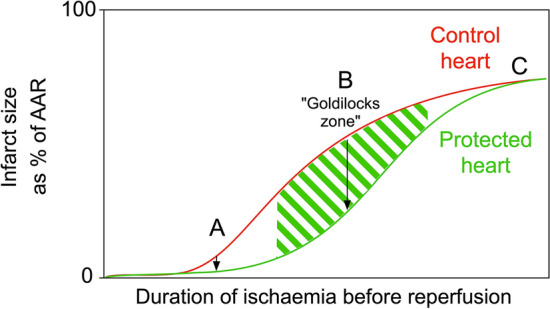
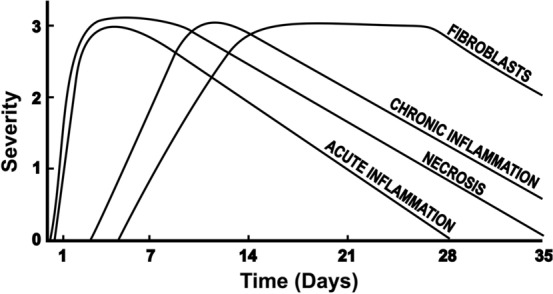
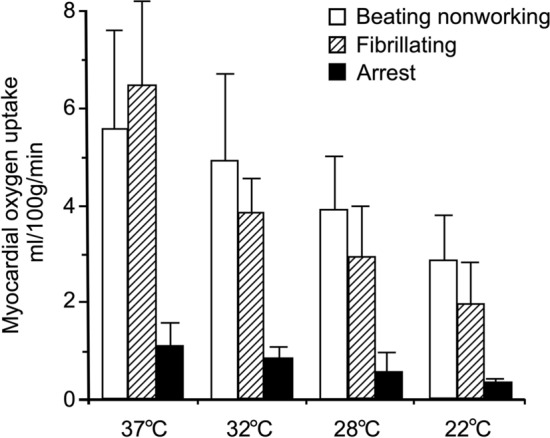
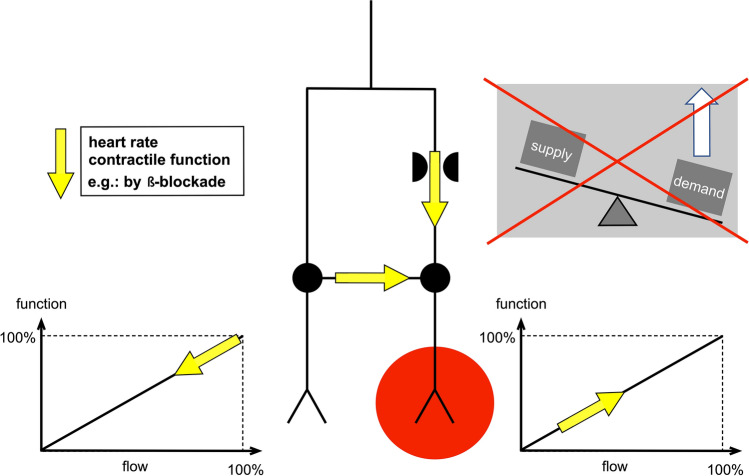
Sudden myocardial ischaemia causes an acute coronary syndrome. In the case of ST-elevation myocardial infarction (STEMI), this is usually caused by the acute rupture of atherosclerotic plaque and obstruction of a coronary artery. Timely restoration of blood flow can reduce infarct size, but ischaemic regions of myocardium remain in up to two-thirds of patients due to microvascular obstruction (MVO). Experimentally, cardioprotective strategies can limit infarct size, but these are primarily intended to target reperfusion injury. Here, we address the question of whether it is possible to specifically prevent ischaemic injury, for example in models of chronic coronary artery occlusion. Two main types of intervention are identified: those that preserve ATP levels by reducing myocardial oxygen consumption, (e.g. hypothermia; cardiac unloading; a reduction in heart rate or contractility; or ischaemic preconditioning), and those that increase myocardial oxygen/blood supply (e.g. collateral vessel dilation). An important consideration in these studies is the method used to assess infarct size, which is not straightforward in the absence of reperfusion. After several hours, most of the ischaemic area is likely to become infarcted, unless it is supplied by pre-formed collateral vessels. Therefore, therapies that stimulate the formation of new collaterals can potentially limit injury during subsequent exposure to ischaemia. After a prolonged period of ischaemia, the heart undergoes a remodelling process. Interventions, such as those targeting inflammation, may prevent adverse remodelling. Finally, harnessing of the endogenous process of myocardial regeneration has the potential to restore cardiomyocytes lost during infarction.
急性心肌缺血导致急性冠状动脉综合征。在 ST 段抬高型心肌梗死(STEMI)的情况下,这通常是由动脉粥样硬化斑块的急性破裂和冠状动脉阻塞引起的。及时恢复血流可以减少梗死面积,但由于微血管阻塞(MVO),多达三分之二的患者仍存在缺血心肌区域。在实验中,心脏保护策略可以限制梗死面积,但这些策略主要旨在针对再灌注损伤。在这里,我们探讨了是否有可能专门预防缺血性损伤,例如在慢性冠状动脉闭塞模型中。确定了两种主要的干预类型:通过降低心肌耗氧量来维持 ATP 水平的干预措施(例如低温;心脏卸载;降低心率或收缩性;或缺血预处理),以及增加心肌氧/血液供应的干预措施(例如侧支血管扩张)。在这些研究中,一个重要的考虑因素是评估梗死面积的方法,在没有再灌注的情况下,这并不简单。数小时后,除非缺血区域由预先形成的侧支血管供应,否则大部分缺血区域很可能会发生梗死。因此,刺激新侧支形成的治疗方法有可能在随后暴露于缺血时限制损伤。在长时间缺血后,心脏会经历重塑过程。干预措施,如针对炎症的干预措施,可能会防止不良重塑。最后,利用心肌再生的内源性过程有可能恢复梗死后失去的心肌细胞。