HI-STEM-Heidelberg Institute for Stem Cell Technology and Experimental Medicine gGmbH, Heidelberg, Germany.
Division of Stem Cells and Cancer, German Cancer Research Center (DKFZ) and DKFZ-ZMBH Alliance, Heidelberg, Germany.
Cancer Discov. 2021 Mar;11(3):638-659. doi: 10.1158/2159-8290.CD-20-1202. Epub 2020 Oct 15.
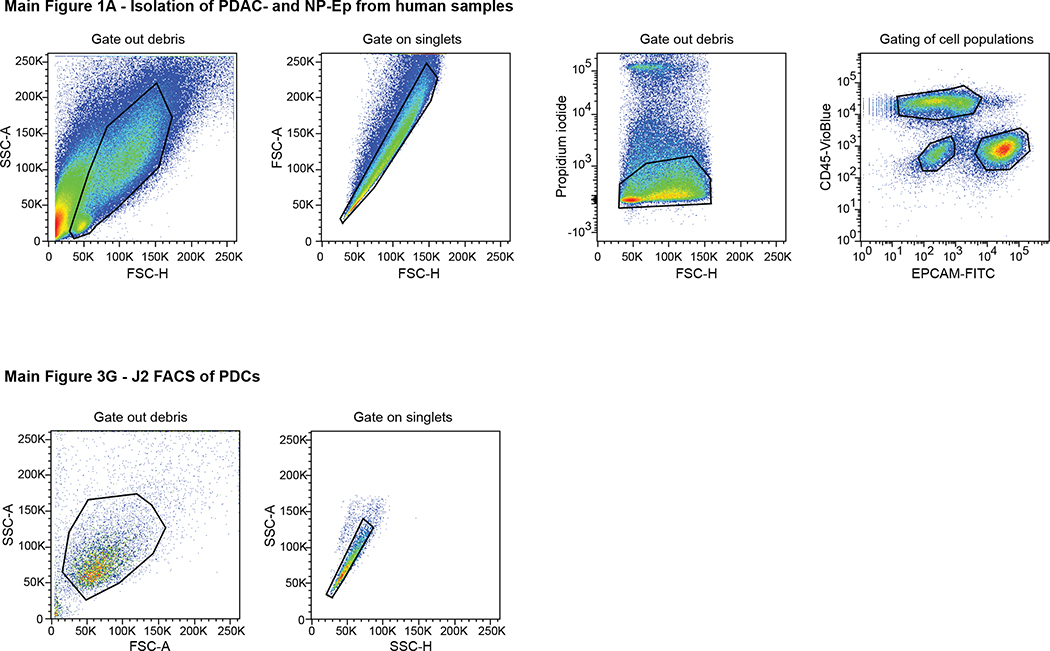
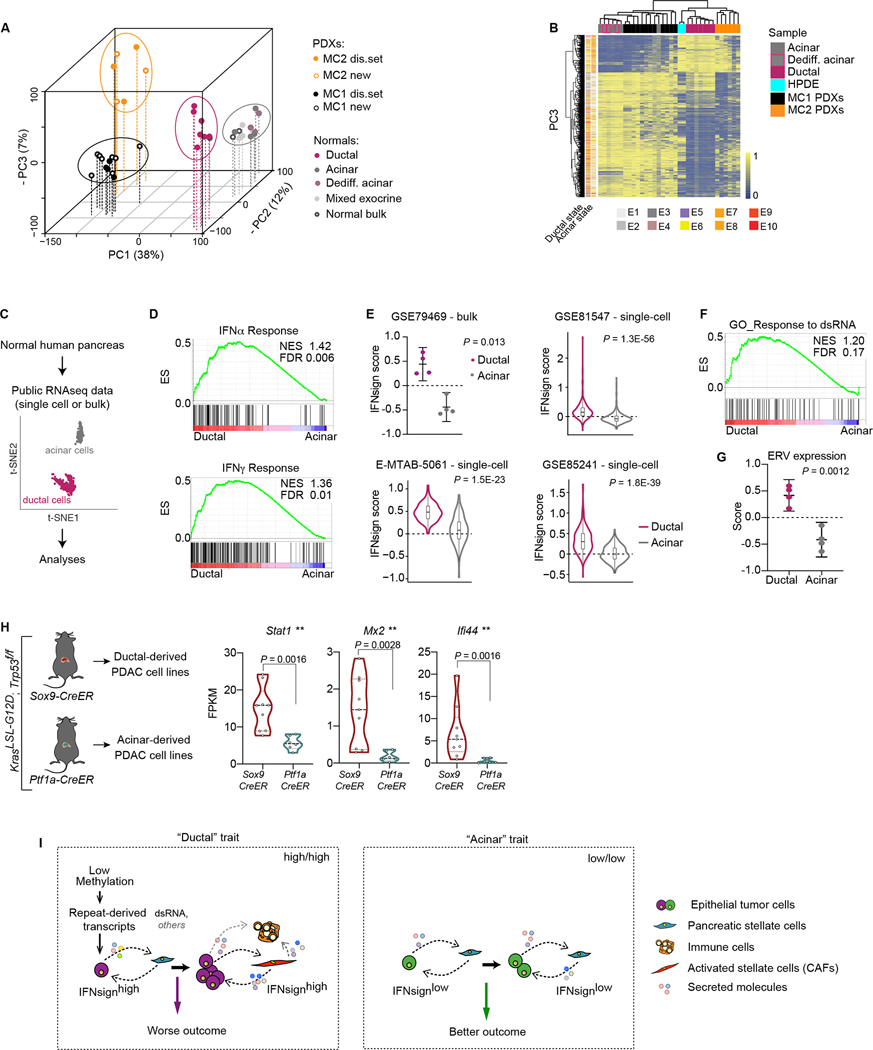
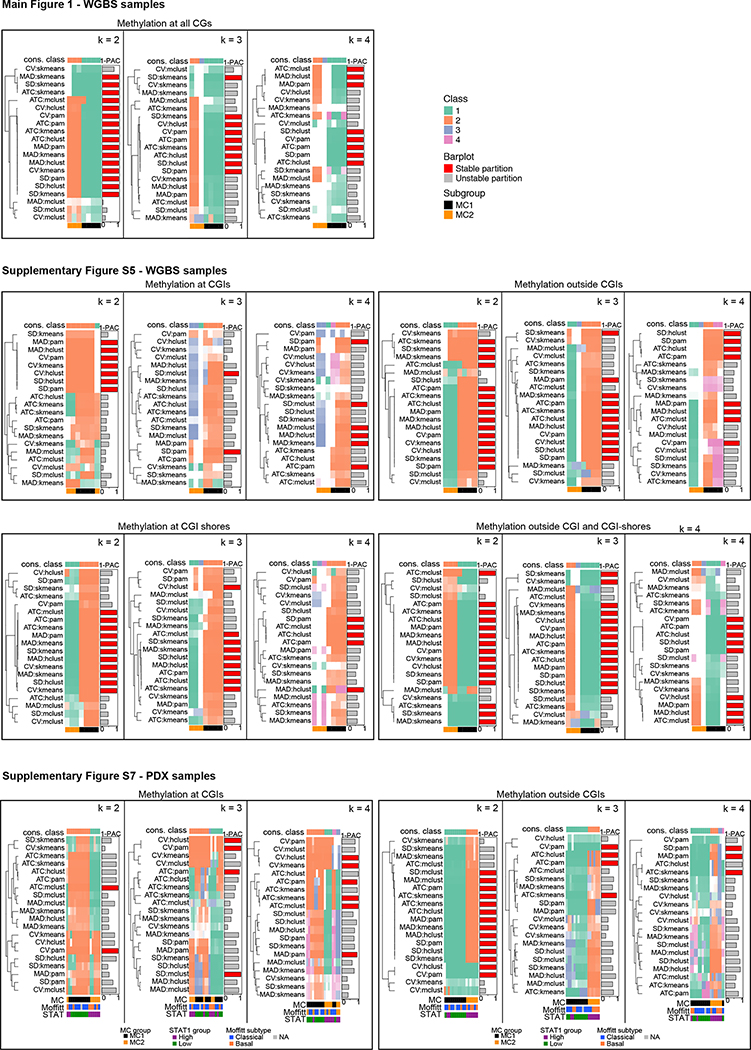
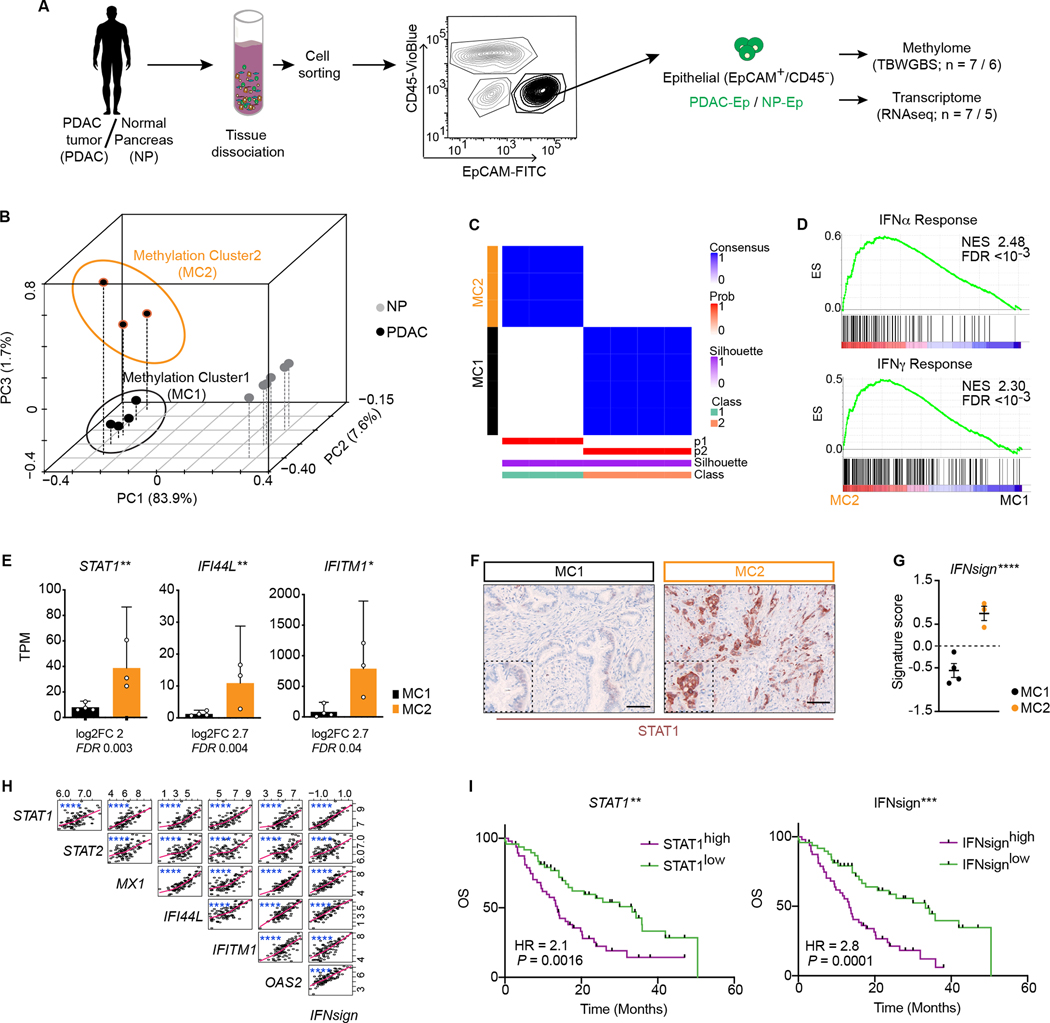
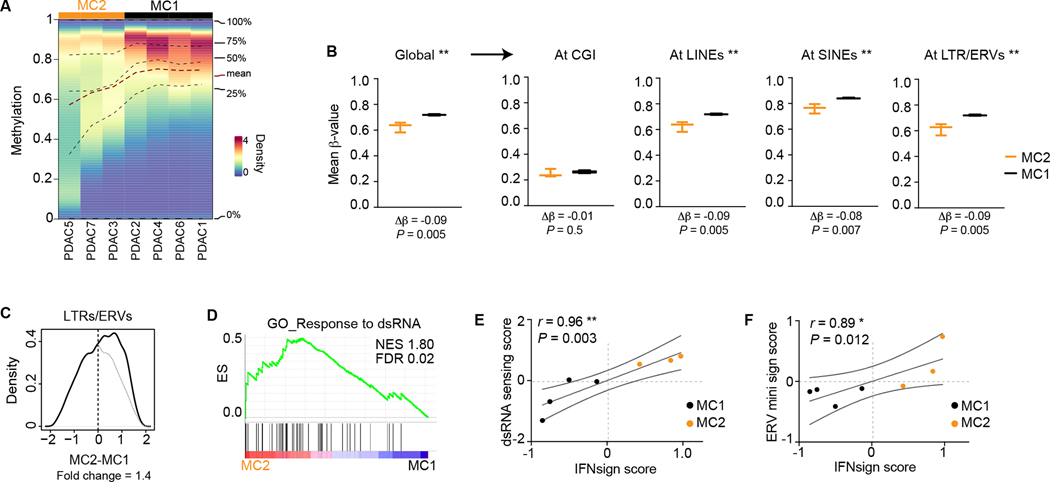
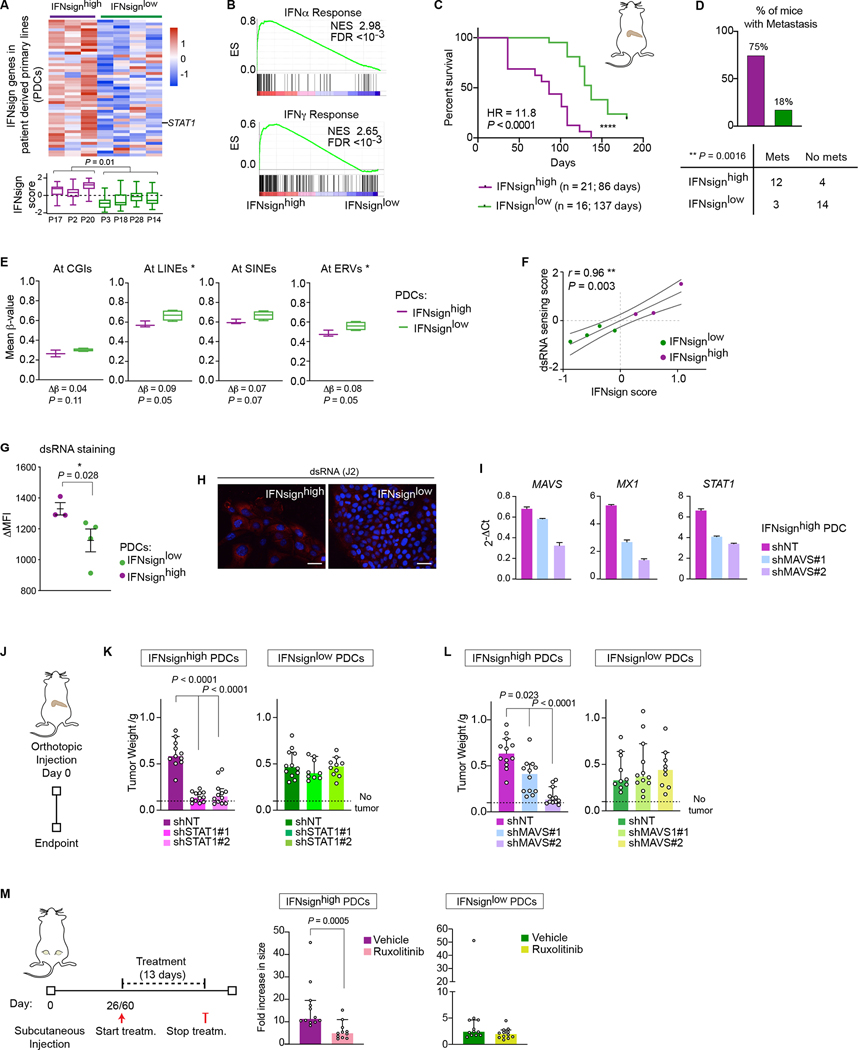
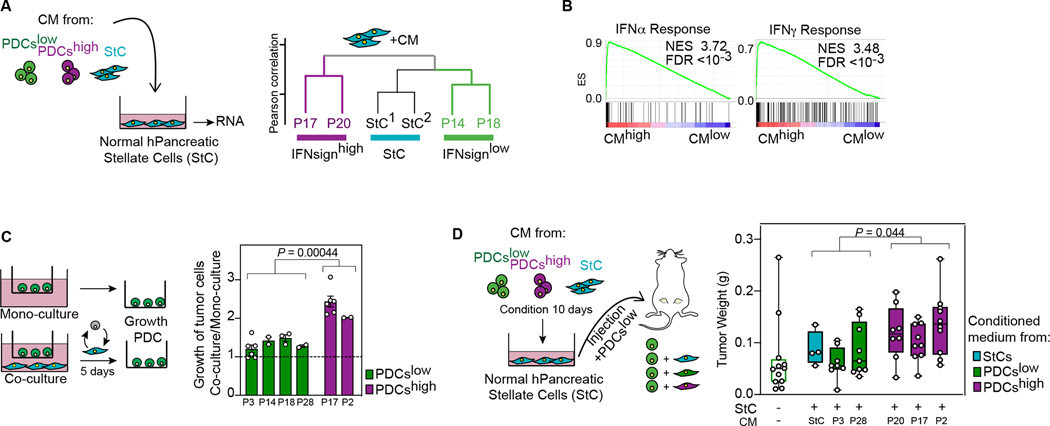
Pancreatic ductal adenocarcinoma (PDAC) is characterized by extensive desmoplasia, which challenges the molecular analyses of bulk tumor samples. Here we FACS-purified epithelial cells from human PDAC and normal pancreas and derived their genome-wide transcriptome and DNA methylome landscapes. Clustering based on DNA methylation revealed two distinct PDAC groups displaying different methylation patterns at regions encoding repeat elements. Methylation tumors are characterized by higher expression of endogenous retroviral transcripts and double-stranded RNA sensors, which lead to a cell-intrinsic activation of an interferon signature (IFNsign). This results in a protumorigenic microenvironment and poor patient outcome. Methylation/IFNsign and Methylation/IFNsign PDAC cells preserve lineage traits, respective of normal ductal or acinar pancreatic cells. Moreover, ductal-derived / mouse PDACs show higher expression of IFNsign compared with acinar-derived counterparts. Collectively, our data point to two different origins and etiologies of human PDACs, with the aggressive Methylation/IFNsign subtype potentially targetable by agents blocking intrinsic IFN signaling. SIGNIFICANCE: The mutational landscapes of PDAC alone cannot explain the observed interpatient heterogeneity. We identified two PDAC subtypes characterized by differential DNA methylation, preserving traits from normal ductal/acinar cells associated with IFN signaling. Our work suggests that epigenetic traits and the cell of origin contribute to PDAC heterogeneity..
胰腺导管腺癌(PDAC)的特点是广泛的纤维增生,这对肿瘤样本的分子分析构成了挑战。在这里,我们从人类 PDAC 和正常胰腺中通过 FACS 分离出上皮细胞,并对其进行了全基因组转录组和 DNA 甲基化组谱分析。基于 DNA 甲基化的聚类显示,两个不同的 PDAC 组在编码重复元件的区域显示出不同的甲基化模式。甲基化肿瘤的特征是内源性逆转录病毒转录本和双链 RNA 传感器的高表达,这导致干扰素信号(IFNsign)的细胞内激活。这导致了促肿瘤微环境和患者预后不良。甲基化/IFNsign 和甲基化/IFNsign PDAC 细胞保留了谱系特征,分别代表正常导管或腺泡胰腺细胞。此外,与腺泡衍生的相比,导管衍生的 / 小鼠 PDAC 显示出更高的 IFNsign 表达。总的来说,我们的数据表明人类 PDAC 有两种不同的起源和病因,具有侵袭性的甲基化/IFNsign 亚型可能可以通过阻断内在 IFN 信号的药物进行靶向治疗。意义:仅 PDAC 的突变景观不能解释观察到的患者间异质性。我们鉴定了两种 PDAC 亚型,其特征是 DNA 甲基化的差异,保留了与 IFN 信号相关的正常导管/腺泡细胞的特征。我们的工作表明,表观遗传特征和细胞起源有助于 PDAC 的异质性。