Key Laboratory of Antibiotic Bioengineering of National Health and Family Planning Commission (NHFPC), Institute of Medicinal Biotechnology (IMB), Chinese Academy of Medical Sciences and Peking Union Medical College (CAMS & PUMC), Beijing 100050, People's Republic of China.
Key Laboratory of Nanopharmacology and Nanotoxicology, Beijing Institute of Pharmacology and Toxicology, Beijing 100850, People's Republic of China.
Int J Nanomedicine. 2020 Sep 23;15:7013-7034. doi: 10.2147/IJN.S260163. eCollection 2020.
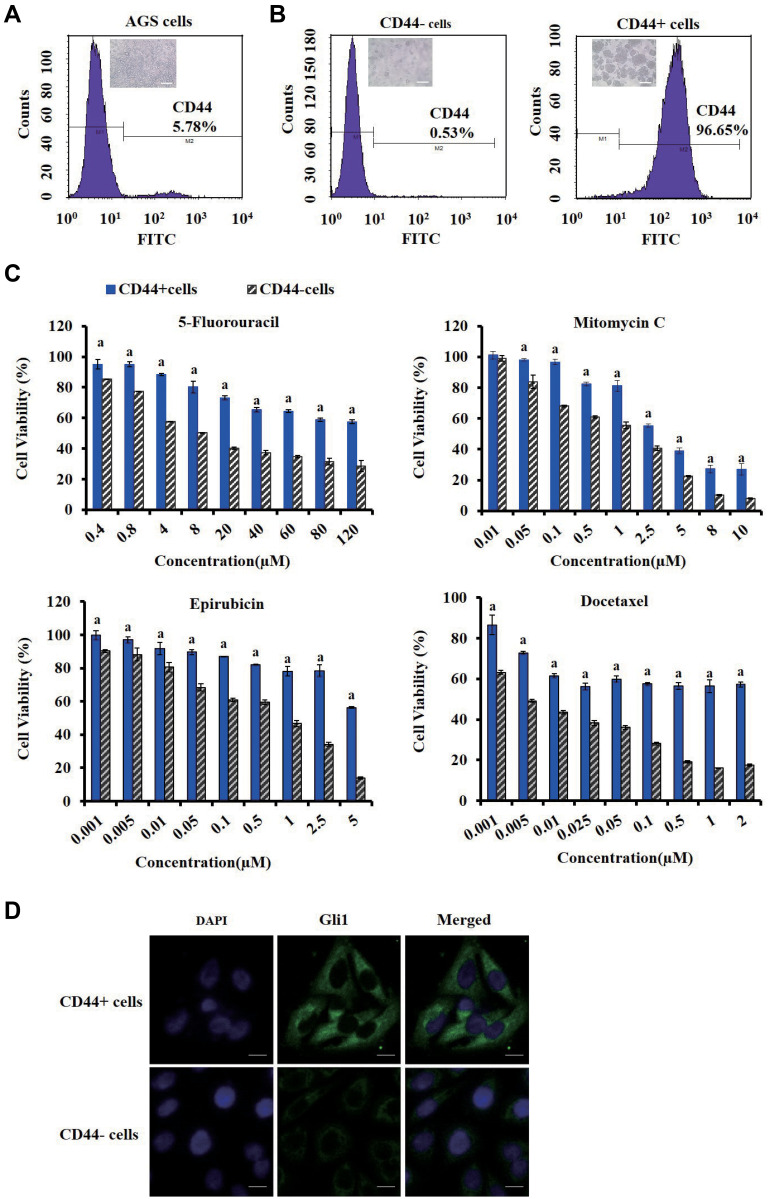
Gastric cancer stem cells (CSCs) are important for the initiation, growth, recurrence, and metastasis of gastric cancer, due to their chemo-resistance and indefinite proliferation. Herein, to eliminate gastric CSCs, we developed novel CSC-targeting glioma-associated oncogene homolog 1 () small interfering RNA (siRNA) nanoparticles that are specifically guided by a di-stearoyl-phosphatidyl-ethanolamine- hyaluronic-acid (DSPE-HA) single-point conjugate, as an intrinsic ligand of the CD44 receptor. We refer to these as targeting Gli1 siRNA nanoparticles.
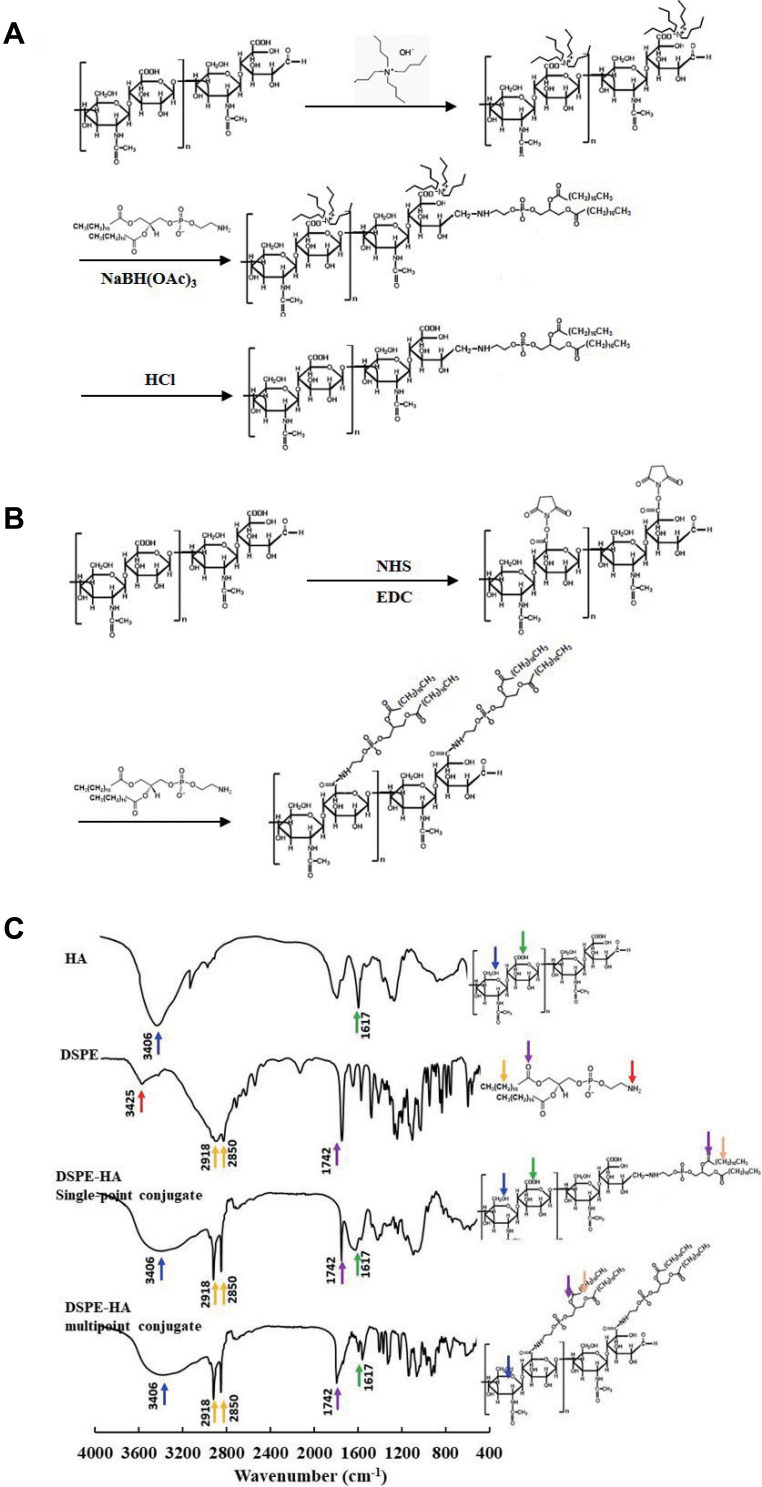
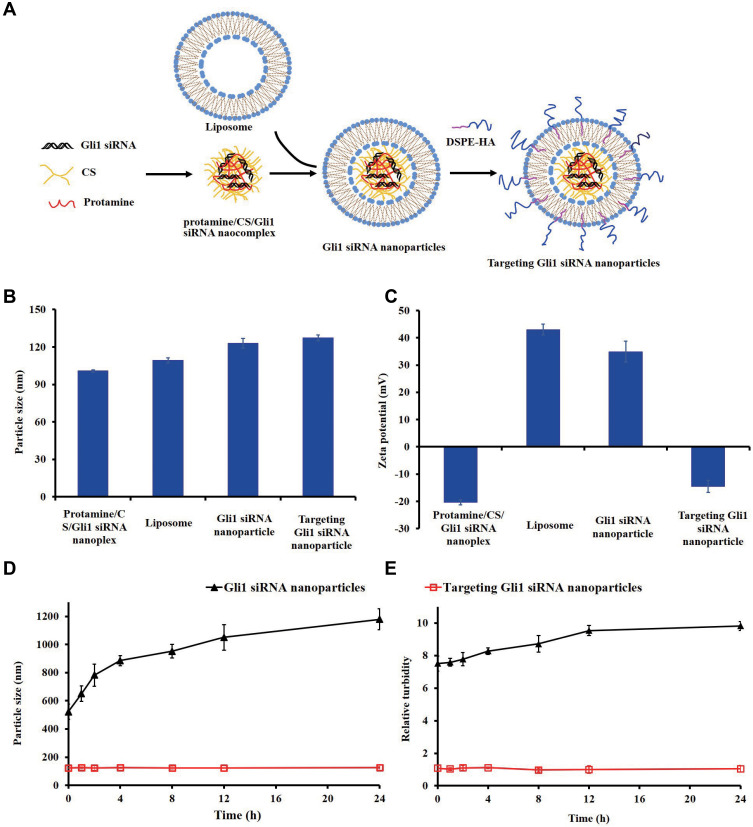
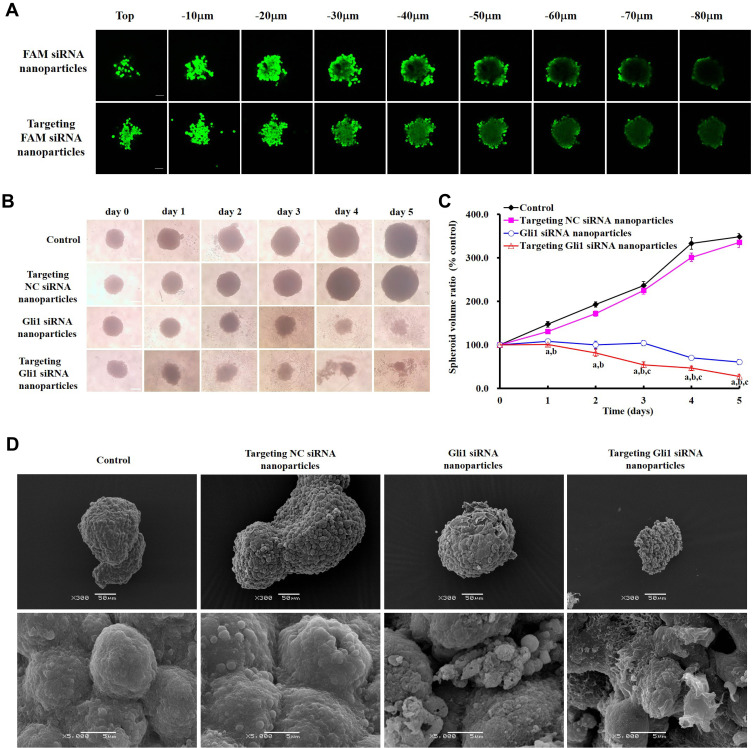
We used the reductive amination reaction method for attaching amine groups of DSPE to aldehydic group of hyaluronic acid (HA) at the reducing end, to synthesize the DSPE-HA single-point conjugate. Next, targeting Gli1 siRNA nanoparticles were prepared using the layer-by-layer assembly method. We characterized the stem cellular features of targeting Gli1 siRNA nanoparticles, including their targeting efficiency, self-renewal capacity, the migration and invasion capacity of gastric CSCs, and the penetration ability of 3D tumor spheroids. Next, we evaluated the therapeutic efficacy of the targeting Gli1 siRNA nanoparticles by using in vivo relapsed tumor models of gastric CSCs.
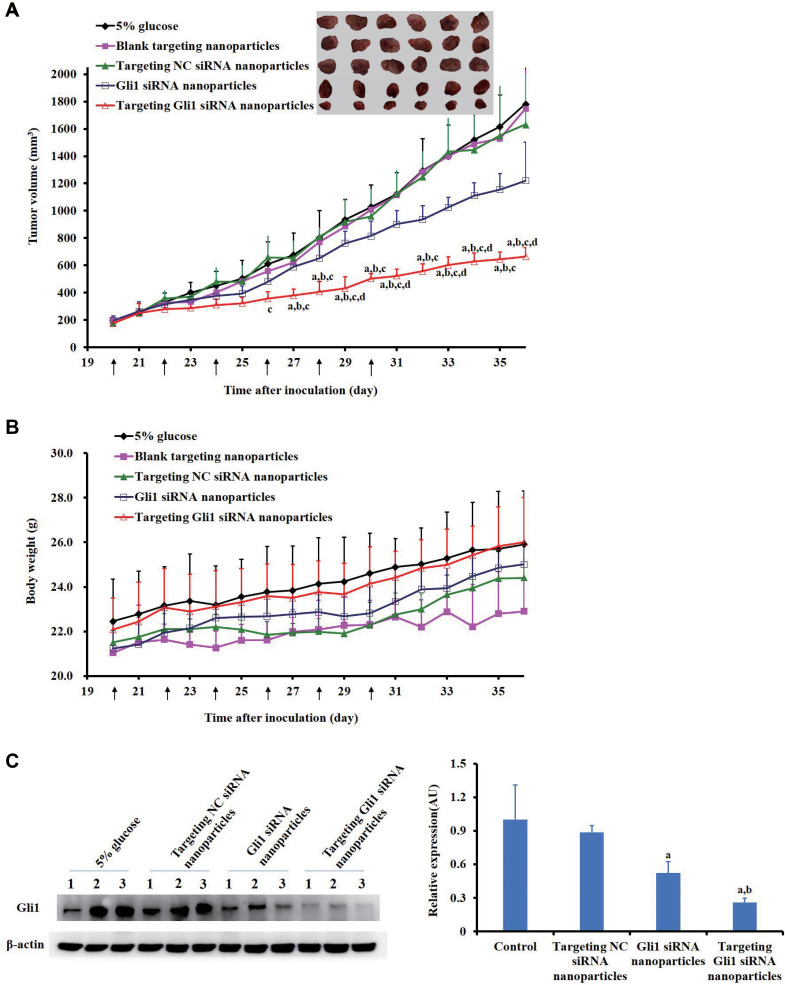
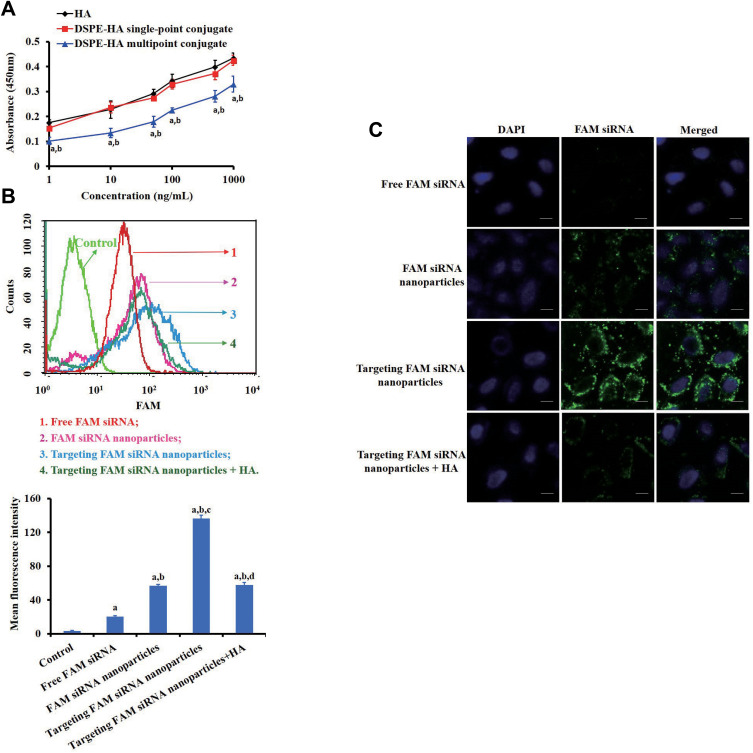
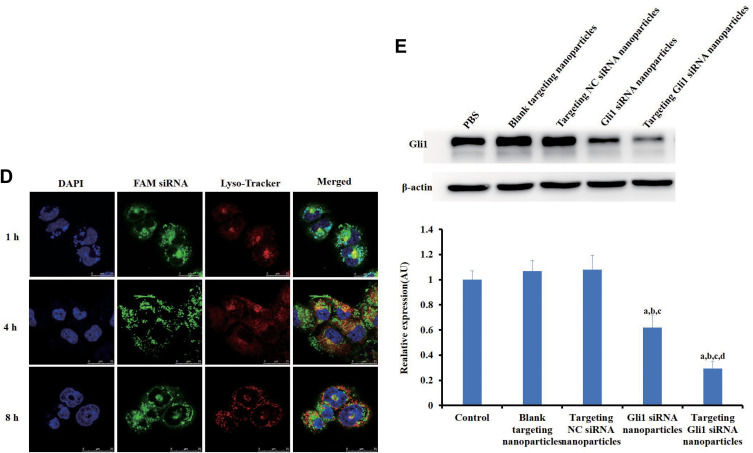
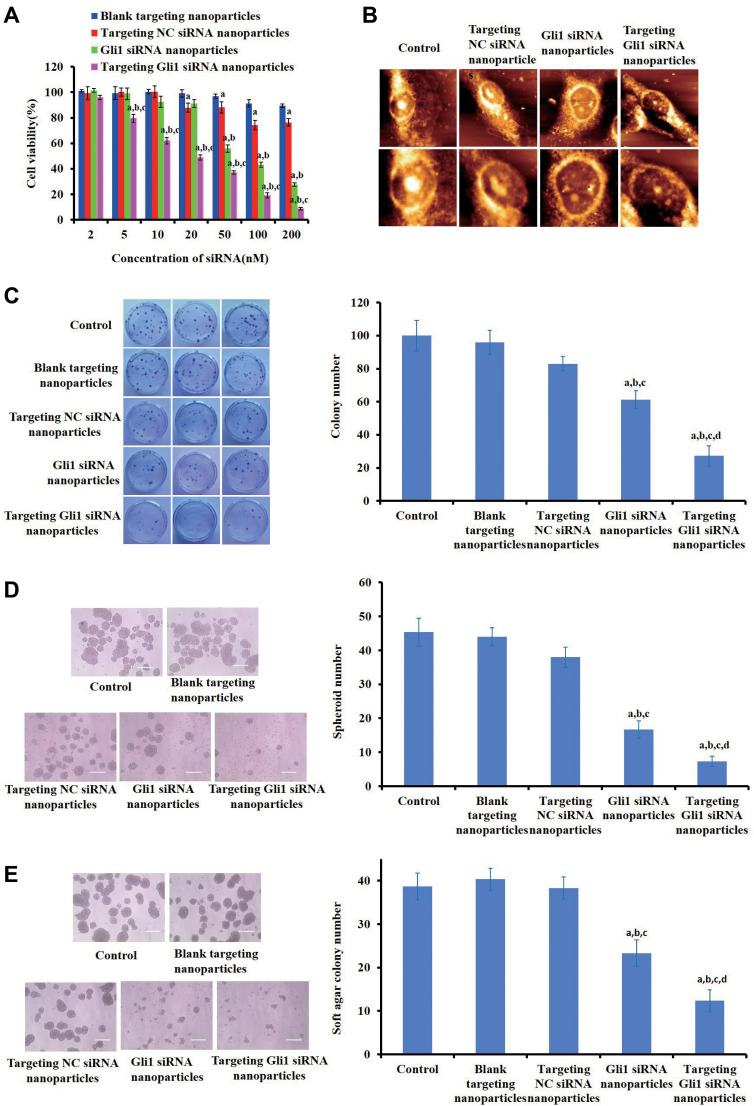
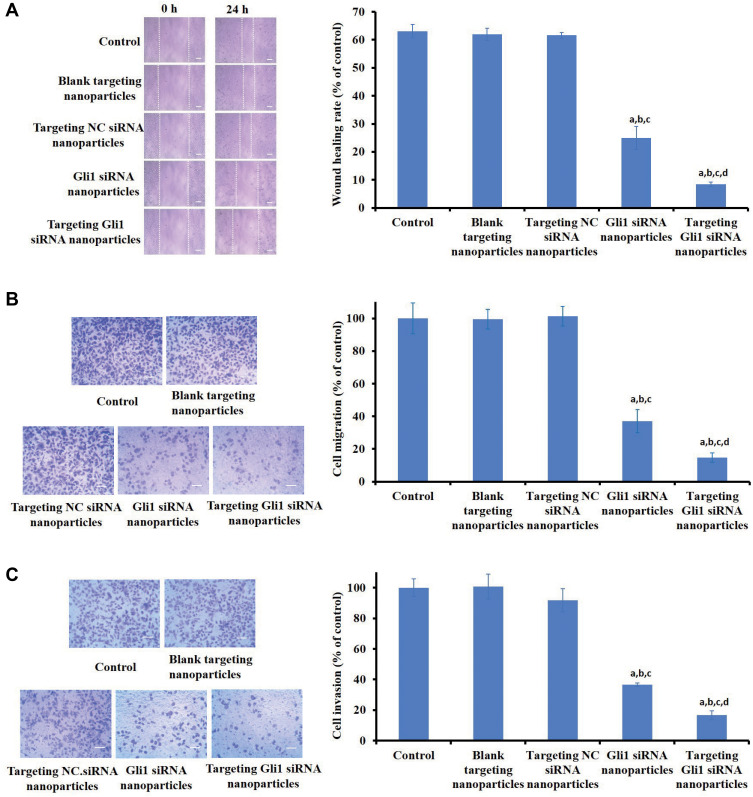
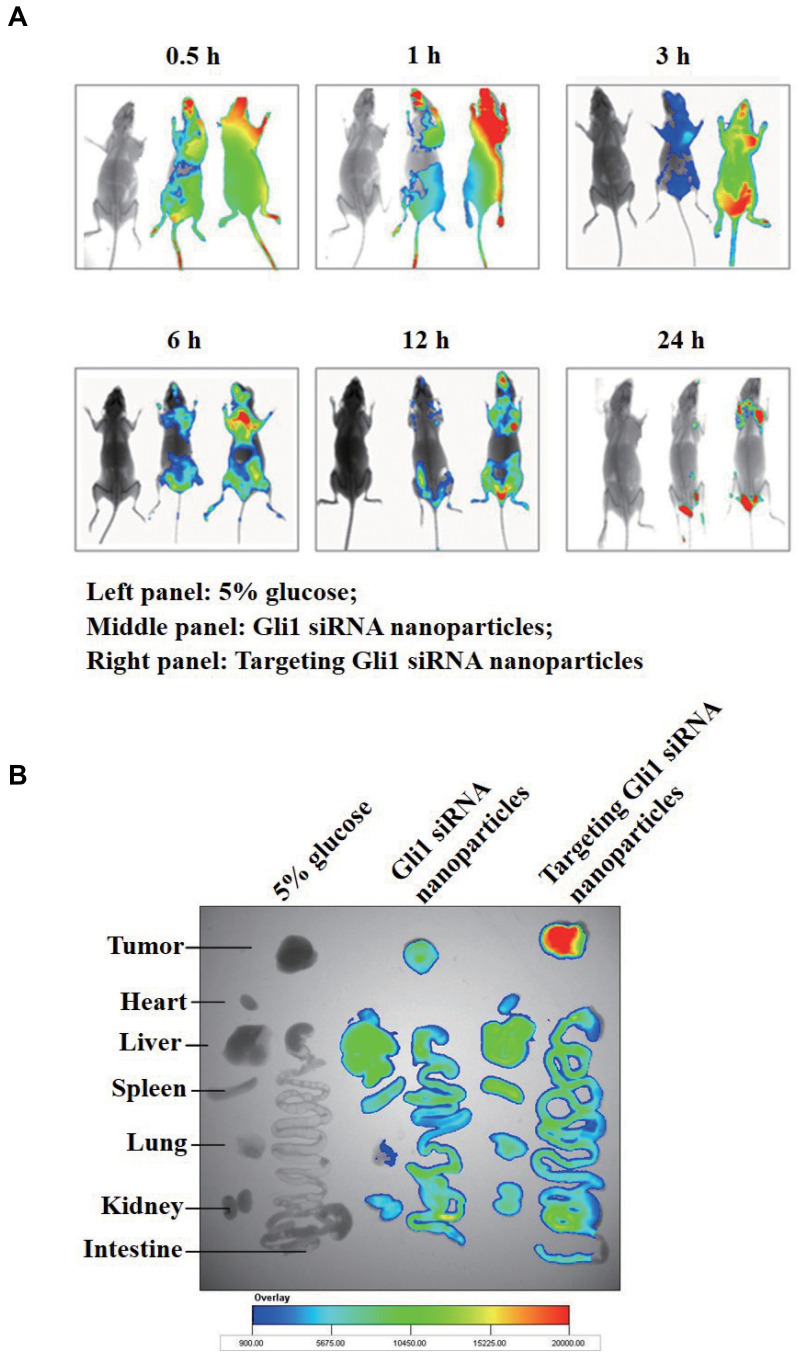
Compared with the multipoint conjugates, DSPE-HA single-point conjugates on the surface of nanoparticles showed significantly higher binding affinities with CD44. The targeting Gli1 siRNA nanoparticles significantly decreased Gli1 protein expression, inhibited CSC tumor spheroid and colony formation, and suppressed cell migration and invasion. Furthermore, in vivo imaging demonstrated that targeting Gli1 siRNA nanoparticles accumulated in tumor tissues, showing significant antitumor recurrence efficacy in vivo.
In summary, our targeting Gli1 siRNA nanoparticles significantly inhibited CSC malignancy features by specifically blocking Hedgehog (Hh) signaling both in vitro and in vivo, suggesting that this novel siRNA delivery system that specifically eliminates gastric CSCs provides a promising targeted therapeutic strategy for gastric cancer treatment.
胃癌干细胞(CSCs)在胃癌的发生、生长、复发和转移中起着重要作用,因为它们具有化疗耐药性和无限增殖能力。在此,我们开发了新型的胃癌 CSC 靶向Gli 同源物 1(Gli1)小干扰 RNA(siRNA)纳米颗粒,该纳米颗粒由二硬脂酰基磷脂酰乙醇胺-透明质酸(DSPE-HA)单点缀合物特异性引导,作为 CD44 受体的内在配体。我们将这些称为靶向 Gli1 siRNA 纳米颗粒。
我们使用还原胺化反应法将 DSPE 的氨基与透明质酸(HA)还原端的醛基连接,合成 DSPE-HA 单点缀合物。接下来,我们使用层层组装法制备靶向 Gli1 siRNA 纳米颗粒。我们对靶向 Gli1 siRNA 纳米颗粒的干细胞特征进行了表征,包括其靶向效率、自我更新能力、胃癌 CSCs 的迁移和侵袭能力以及 3D 肿瘤球体的穿透能力。接下来,我们使用体内胃癌 CSCs 复发肿瘤模型评估了靶向 Gli1 siRNA 纳米颗粒的治疗效果。
与多点缀合物相比,纳米颗粒表面的 DSPE-HA 单点缀合物与 CD44 的结合亲和力显著更高。靶向 Gli1 siRNA 纳米颗粒显著降低了 Gli1 蛋白表达,抑制了 CSC 肿瘤球体和集落形成,并抑制了细胞迁移和侵袭。此外,体内成像显示,靶向 Gli1 siRNA 纳米颗粒在肿瘤组织中积累,在体内显示出显著的抗肿瘤复发疗效。
总之,我们的靶向 Gli1 siRNA 纳米颗粒通过特异性阻断 Hedgehog(Hh)信号通路,在体内外显著抑制了 CSC 的恶性特征,表明这种新型的 siRNA 递送系统特异性消除胃癌 CSCs 为胃癌治疗提供了一种有前途的靶向治疗策略。