State Key Laboratory of Freshwater Ecology and Biotechnology, Institute of Hydrobiology, Chinese Academy of Sciences, Wuhan 430072, China.
University of Chinese Academy of Sciences, Beijing 100049, China.
Int J Biol Sci. 2020 Oct 3;16(15):3039-3049. doi: 10.7150/ijbs.47510. eCollection 2020.
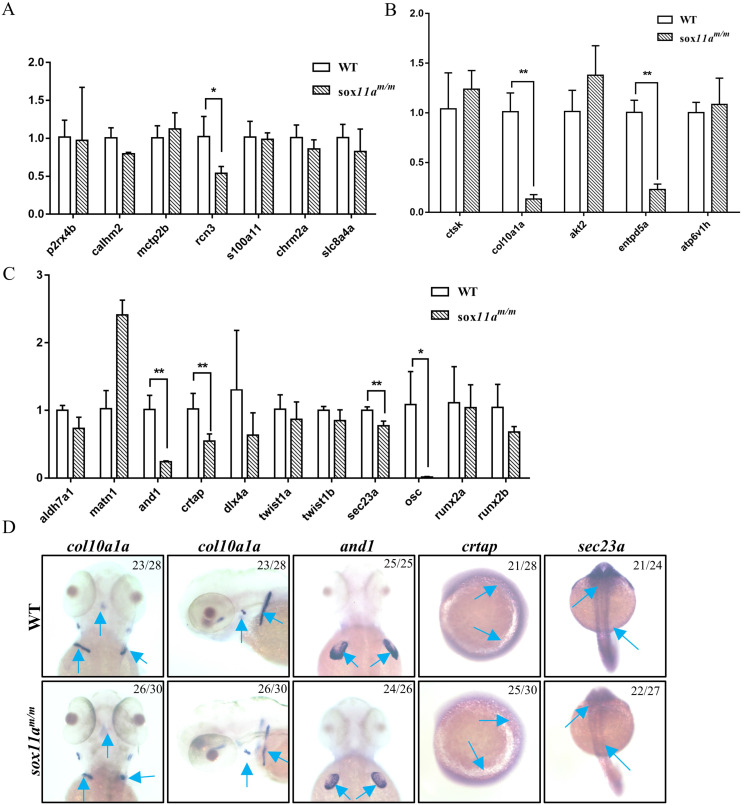
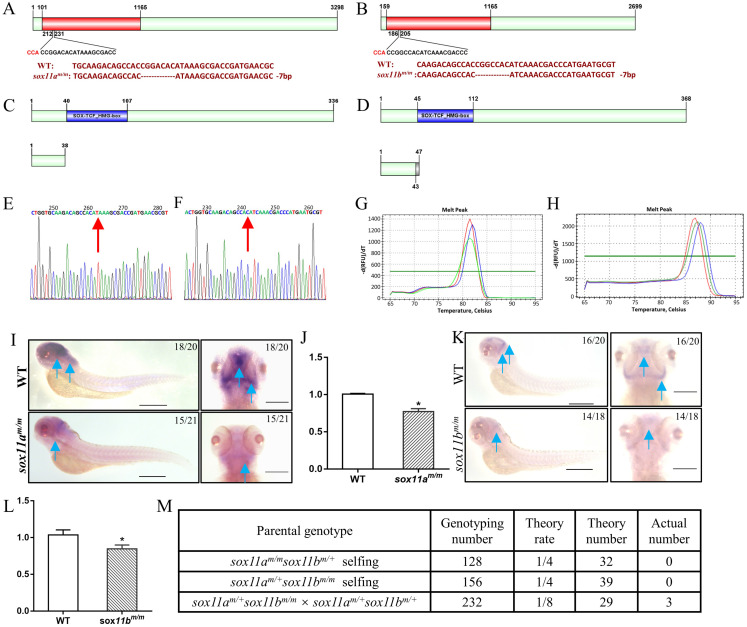
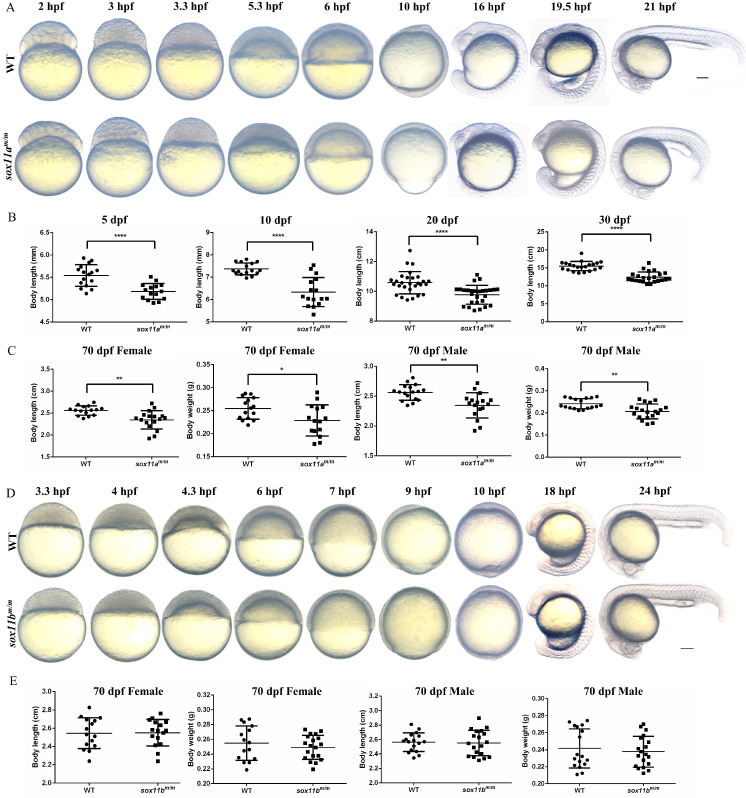
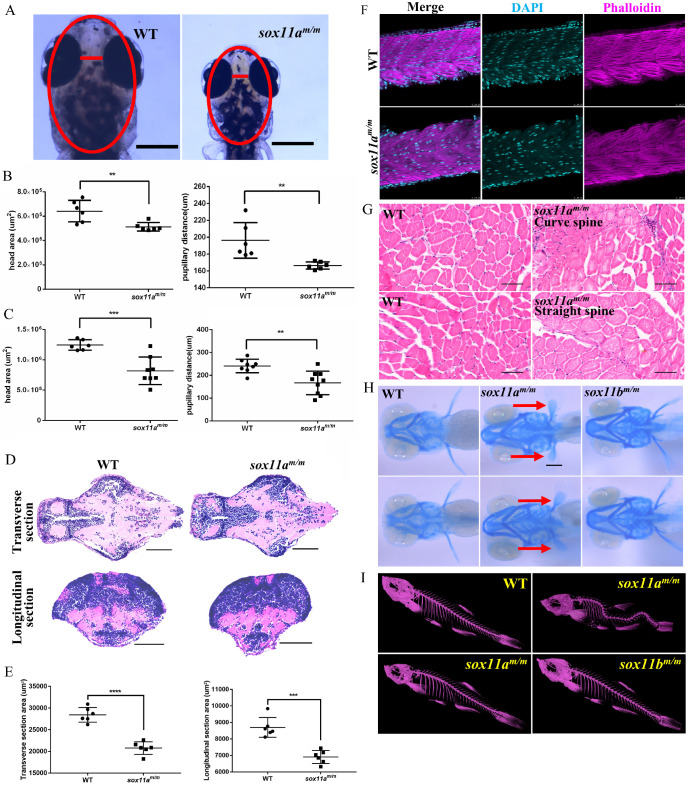
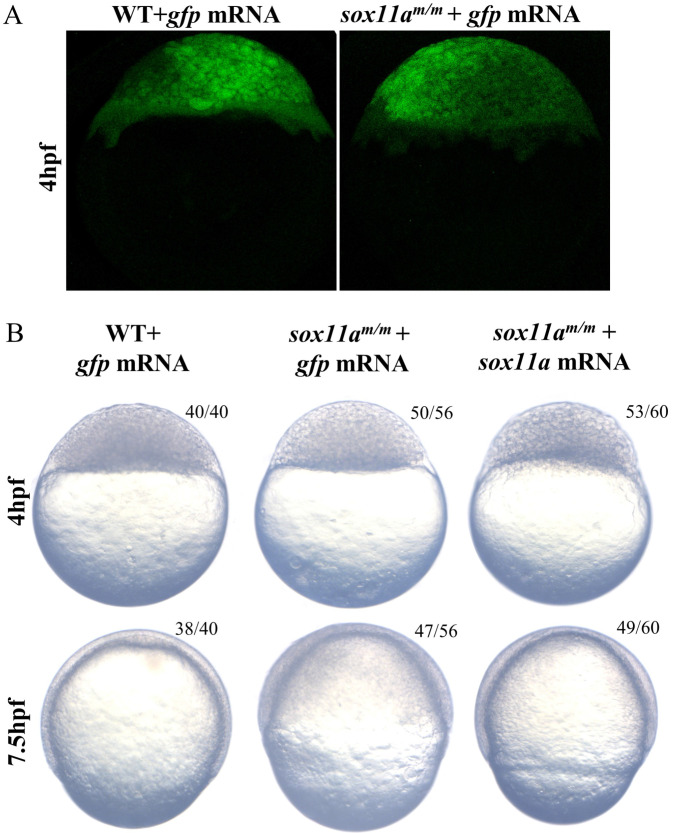
A previous study suggested that human Coffin-Siris syndrome is related to the mutation of . Since the homozygous mutant mice died soon after birth, no suitable model was available for the study of the pathogenic mechanism of Coffin-Siris syndrome. To solve this problem, we generated two viable homozygous zebrafish mutants, and . We found that the mutant possessed Coffin-Siris syndrome features. The mutants exhibited growth deficiency from 3.3 hpf embryos to adulthood. Furthermore, the mutant also displayed microcephaly, narrow pupillary distance, achondroplasia, and bone deformity in adults. Growth deficiency could be rescued by the injection of mRNA at the one-cell stage. In addition, the expression levels of genes related to cartilage and bone were downregulated in the mutant, indicating that mainly affected the growth and development of zebrafish by regulating the expression of genes related to skeletal development. Our results indicate that mutant zebrafish offered a potential model system to help with the search for pathogenic mechanisms of human Coffin-Siris syndrome.
先前的研究表明,人类 Coffin-Siris 综合征与. 的突变有关。由于纯合子. 突变小鼠在出生后不久就死亡,因此没有合适的模型可用于研究 Coffin-Siris 综合征的发病机制。为了解决这个问题,我们生成了两种存活的纯合子斑马鱼突变体,. 我们发现. 突变体具有 Coffin-Siris 综合征的特征。. 突变体从 3.3 hpf 胚胎到成年都表现出生长缺陷。此外,. 突变体还表现出小头畸形、瞳孔距离狭窄、软骨发育不全和骨骼畸形。在单细胞阶段注射. mRNA 可挽救生长缺陷。此外,. 突变体中与软骨和骨骼相关的基因表达水平下调,表明. 主要通过调节与骨骼发育相关基因的表达来影响斑马鱼的生长和发育。我们的结果表明,. 突变体斑马鱼提供了一个潜在的模型系统,有助于寻找人类 Coffin-Siris 综合征的发病机制。