
精制谷物在健康饮食模式中占有一席之地吗:专家小组共识会议的观点
Do Refined Grains Have a Place in a Healthy Dietary Pattern: Perspectives from an Expert Panel Consensus Meeting.
作者信息
Papanikolaou Yanni, Slavin Joanne L, Clemens Roger, Brenna J Thomas, Hayes Dayle, Gaesser Glenn A, Fulgoni Victor L
机构信息
Nutritional Strategies, Paris, Canada.
Department of Food Science and Nutrition, University of Minnesota, St. Paul, MN, USA.
出版信息
Curr Dev Nutr. 2020 Jul 16;4(10):nzaa125. doi: 10.1093/cdn/nzaa125. eCollection 2020 Oct.
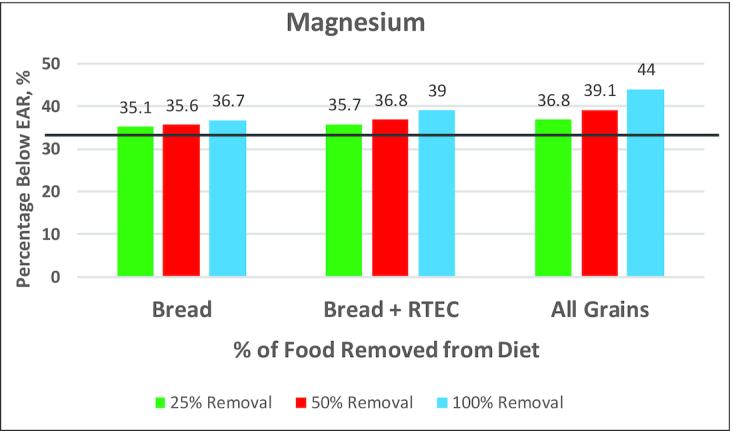
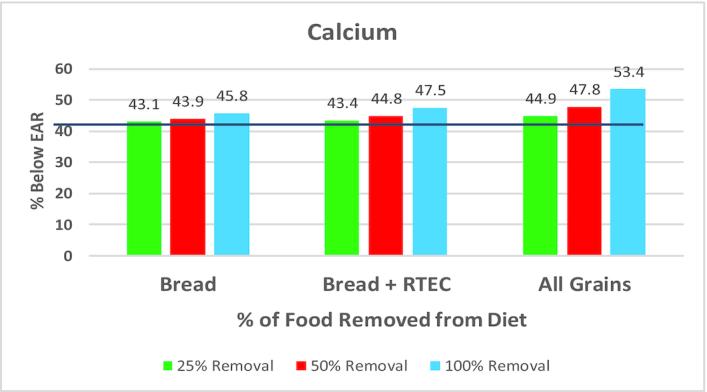
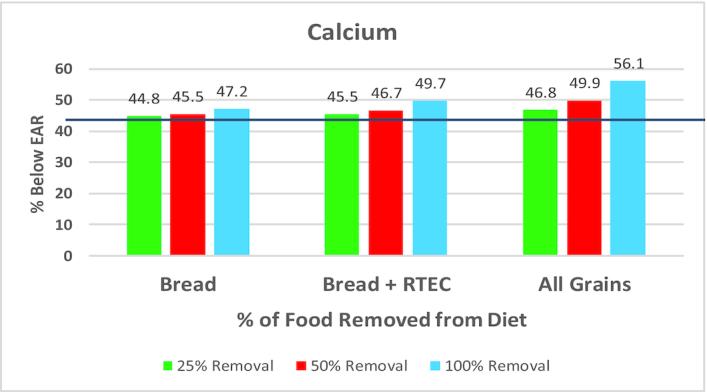
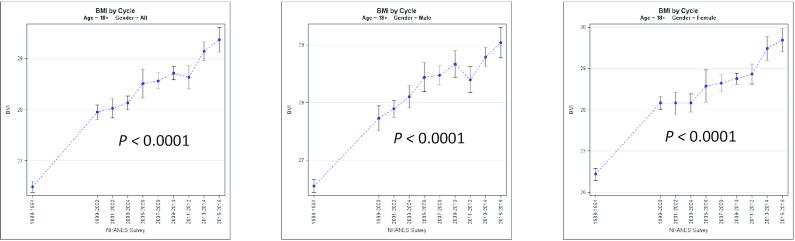
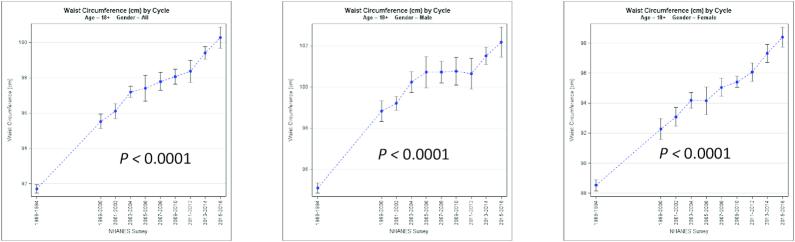
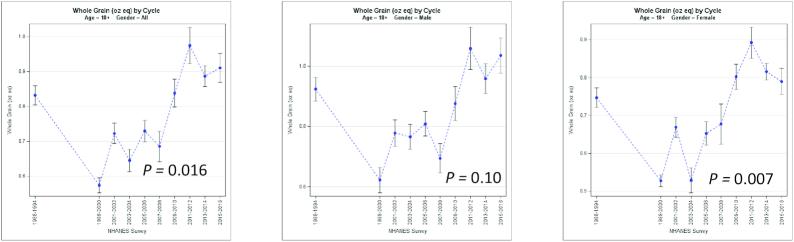
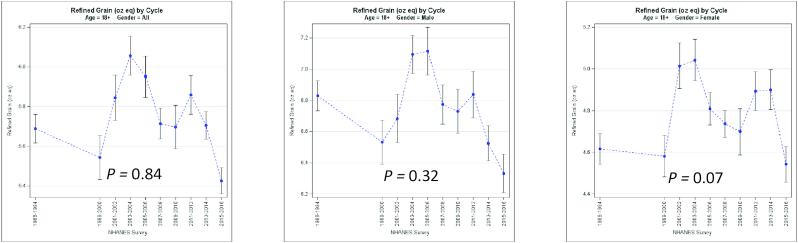
Although dietary guidance recommends increasing consumption of whole grains and concurrently limiting consumption of refined and/or enriched grain foods, emerging research suggests that certain refined grains may be part of a healthy dietary pattern. A scientific expert panel was convened to review published data since the release of 2015 dietary guidance in defined areas of grain research, which included nutrient intakes, diet quality, enrichment/fortification, and associations with weight-related outcomes. Based on a 1-d roundtable discussion, the expert panel reached consensus that ) whole grains and refined grains can make meaningful nutrient contributions to dietary patterns, ) whole and refined grain foods contribute nutrient density, ) fortification and enrichment of grains remain vital in delivering nutrient adequacy in the American diet, ) there is inconclusive scientific evidence that refined grain foods are linked to overweight and obesity, and ) gaps exist in the scientific literature with regard to grain foods and health.
尽管饮食指南建议增加全谷物的摄入量,同时限制精制和/或强化谷物食品的摄入量,但新出现的研究表明,某些精制谷物可能是健康饮食模式的一部分。一个科学专家小组召开会议,审查自2015年饮食指南发布以来在谷物研究特定领域发表的数据,这些领域包括营养素摄入量、饮食质量、强化/ fortification(此处可能有误,推测为fortification,意为强化)以及与体重相关结果的关联。基于为期1天的圆桌讨论,专家小组达成共识:(1)全谷物和精制谷物都可为饮食模式提供有意义的营养贡献;(2)全谷物和精制谷物食品都有助于提高营养密度;(3)谷物的强化和fortification(推测为fortification)在美国饮食中对于实现营养充足仍然至关重要;(4)没有确凿的科学证据表明精制谷物食品与超重和肥胖有关;(5)关于谷物食品与健康的科学文献存在空白。







 Zotero 插件