Institute of Pharmacology and Toxicology, Faculty of Medicine Carl Gustav Carus, Technische Universität Dresden, Fiedlerstraße 42, 01309, Dresden, Germany.
Institute for Experimental Cardiovascular Medicine, University Heart Center Freiburg-Bad Krozingen, Medical Center-University of Freiburg, Freiburg, Germany.
Naunyn Schmiedebergs Arch Pharmacol. 2021 Mar;394(3):533-543. doi: 10.1007/s00210-020-01998-9. Epub 2020 Oct 16.
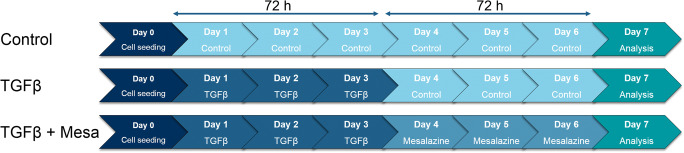
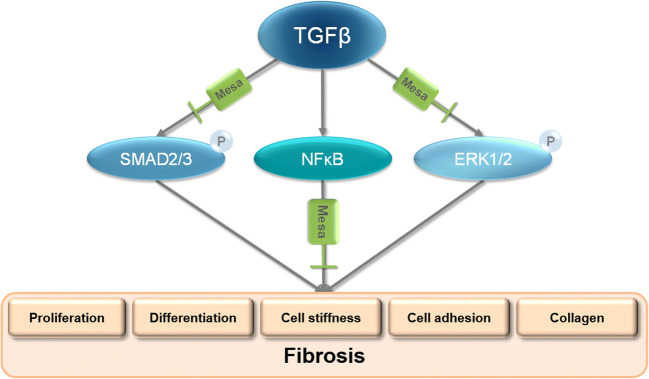
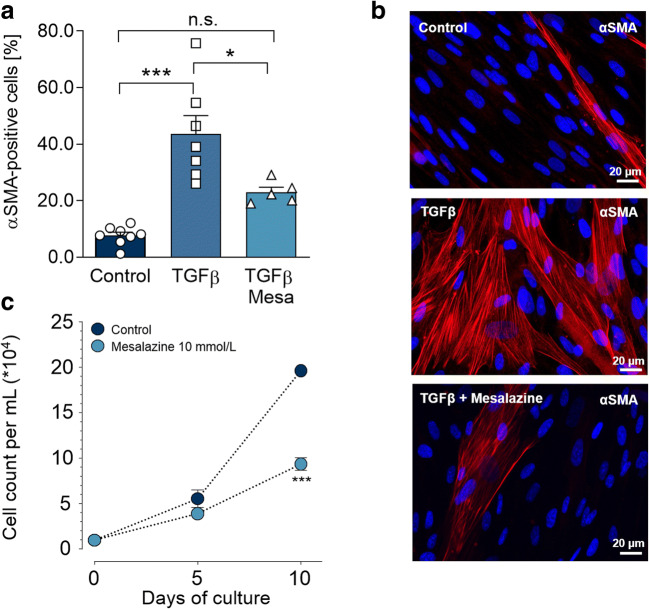
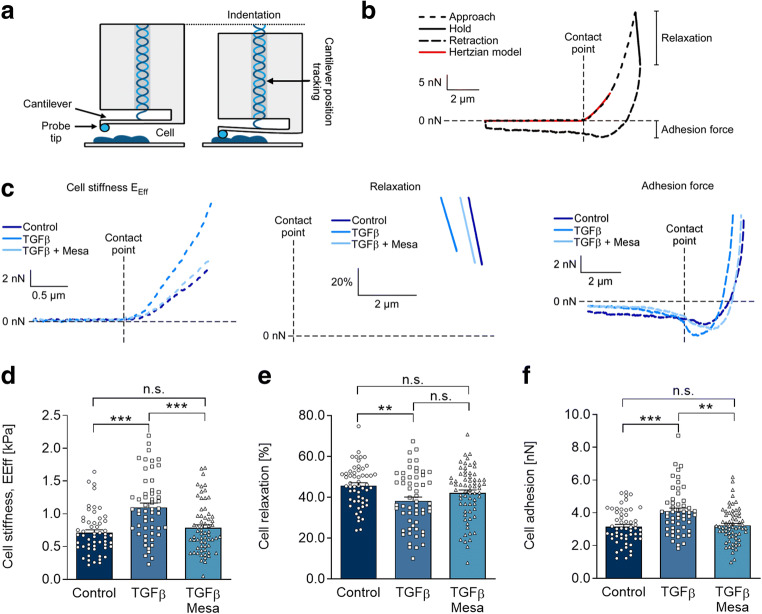
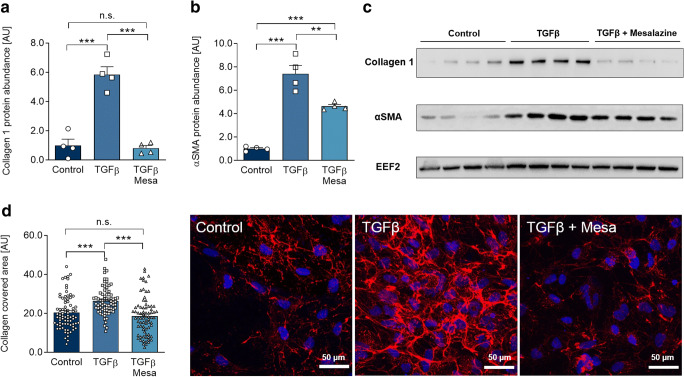
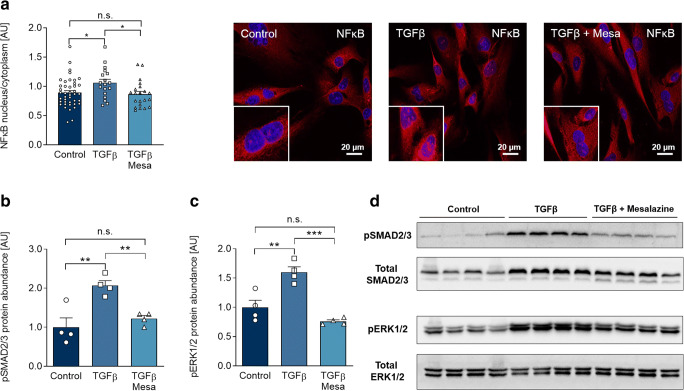
Cardiovascular diseases are exacerbated and driven by cardiac fibrosis. TGFβ induces fibroblast activation and differentiation into myofibroblasts that secrete excessive extracellular matrix proteins leading to stiffening of the heart, concomitant cardiac dysfunction, and arrhythmias. However, effective pharmacotherapy for preventing or reversing cardiac fibrosis is presently unavailable. Therefore, drug repurposing could be a cost- and time-saving approach to discover antifibrotic interventions. The aim of this study was to investigate the antifibrotic potential of mesalazine in a cardiac fibroblast stress model. TGFβ was used to induce a profibrotic phenotype in a human cardiac fibroblast cell line. After induction, cells were treated with mesalazine or solvent control. Fibroblast proliferation, key fibrosis protein expression, extracellular collagen deposition, and mechanical properties were subsequently determined. In response to TGFβ treatment, fibroblasts underwent a profound phenoconversion towards myofibroblasts, determined by the expression of fibrillary αSMA. Mesalazine reduced differentiation nearly by half and diminished fibroblast proliferation by a third. Additionally, TGFβ led to increased cell stiffness and adhesion, which were reversed by mesalazine treatment. Collagen 1 expression and deposition-key drivers of fibrosis-were significantly increased upon TGFβ stimulation and reduced to control levels by mesalazine. SMAD2/3 and ERK1/2 phosphorylation, along with reduced nuclear NFκB translocation, were identified as potential modes of action. The current study provides experimental pre-clinical evidence for antifibrotic effects of mesalazine in an in vitro model of cardiac fibrosis. Furthermore, it sheds light on possible mechanisms of action and suggests further investigation in experimental and clinical settings.
心血管疾病会被心脏纤维化加剧和驱动。TGFβ 会诱导成纤维细胞活化和分化为肌成纤维细胞,后者分泌过多的细胞外基质蛋白,导致心脏变硬,伴随心脏功能障碍和心律失常。然而,目前还没有有效的药物治疗方法来预防或逆转心脏纤维化。因此,药物再利用可能是一种节省成本和时间的方法,可以发现抗纤维化干预措施。本研究旨在探讨美沙拉嗪在心脏成纤维细胞应激模型中的抗纤维化潜力。TGFβ 用于诱导人心脏成纤维细胞系产生促纤维化表型。诱导后,用美沙拉嗪或溶剂对照处理细胞。随后测定成纤维细胞增殖、关键纤维化蛋白表达、细胞外胶原沉积和力学特性。在 TGFβ 处理下,成纤维细胞向肌成纤维细胞发生深刻的表型转化,由纤维状αSMA 的表达来确定。美沙拉嗪使分化减少近一半,使成纤维细胞增殖减少三分之一。此外,TGFβ 导致细胞刚性和粘附增加,而美沙拉嗪处理可逆转这些变化。胶原 1 的表达和沉积是纤维化的关键驱动因素,在 TGFβ 刺激下显著增加,而被美沙拉嗪降低至对照水平。SMAD2/3 和 ERK1/2 磷酸化以及核 NFκB 易位减少被确定为潜在的作用模式。本研究为美沙拉嗪在心脏纤维化的体外模型中的抗纤维化作用提供了实验临床前证据。此外,它揭示了可能的作用机制,并表明在实验和临床环境中进一步研究。