• 文献检索
  • 文档翻译
  • 深度研究
  • 学术资讯
  • Suppr Zotero 插件Zotero 插件
  • 邀请有礼
  • 套餐&价格
  • 历史记录
应用&插件
Suppr Zotero 插件Zotero 插件浏览器插件Mac 客户端Windows 客户端微信小程序
定价
高级版会员购买积分包购买API积分包
服务
文献检索文档翻译深度研究API 文档MCP 服务
关于我们
关于 Suppr公司介绍联系我们用户协议隐私条款
关注我们

Suppr 超能文献

核心技术专利:CN118964589B侵权必究
粤ICP备2023148730 号-1Suppr @ 2026

文献检索

告别复杂PubMed语法,用中文像聊天一样搜索,搜遍4000万医学文献。AI智能推荐,让科研检索更轻松。

立即免费搜索

文件翻译

保留排版,准确专业,支持PDF/Word/PPT等文件格式,支持 12+语言互译。

免费翻译文档

深度研究

AI帮你快速写综述,25分钟生成高质量综述,智能提取关键信息,辅助科研写作。

立即免费体验

利用反分析技术实现人体全身循环心血管数字孪生。

Towards enabling a cardiovascular digital twin for human systemic circulation using inverse analysis.

机构信息

Biomedical Engineering Group, Zienkiewicz Centre for Computational Engineering, College of Engineering, Swansea University, Swansea, SA2 8PP, UK.

出版信息

Biomech Model Mechanobiol. 2021 Apr;20(2):449-465. doi: 10.1007/s10237-020-01393-6. Epub 2020 Oct 16.

DOI:10.1007/s10237-020-01393-6
PMID:33064221
原文链接:https://pmc.ncbi.nlm.nih.gov/articles/PMC7979679/
Abstract

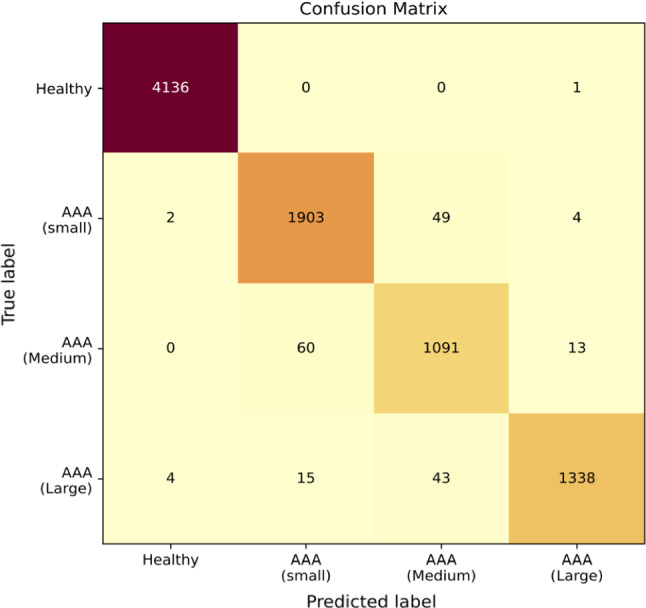
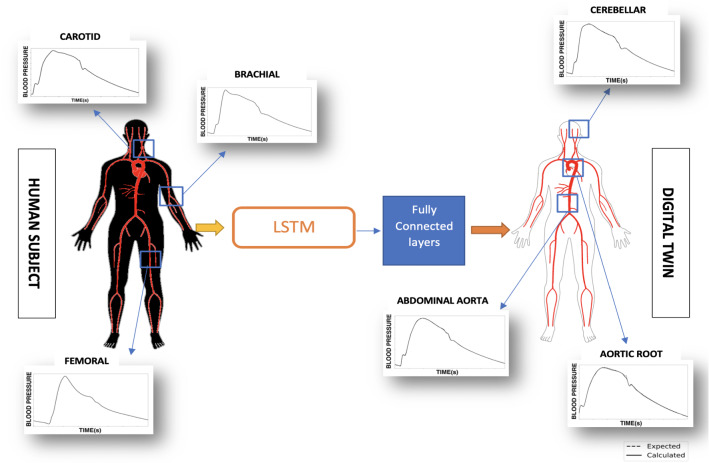
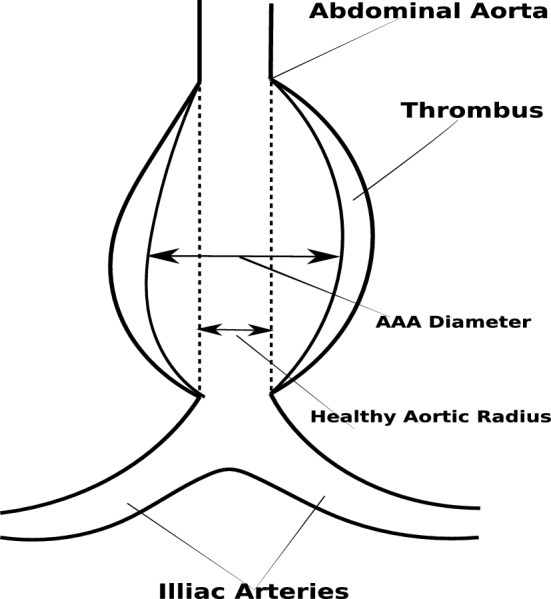
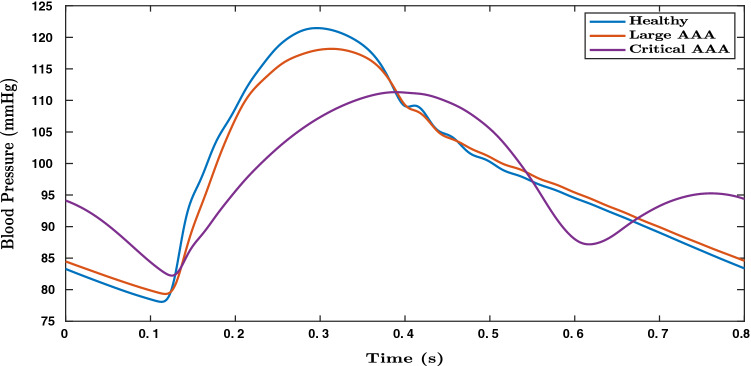
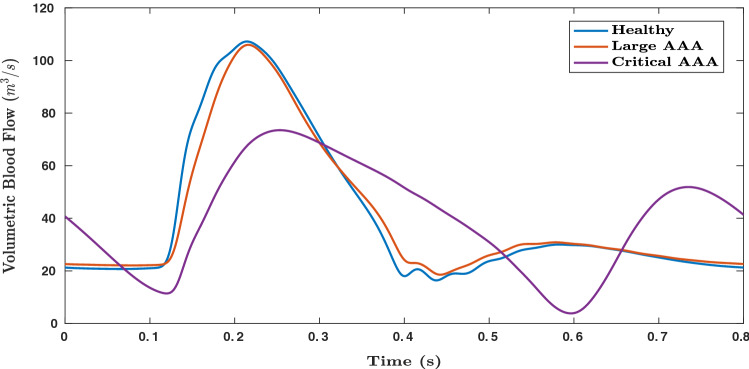
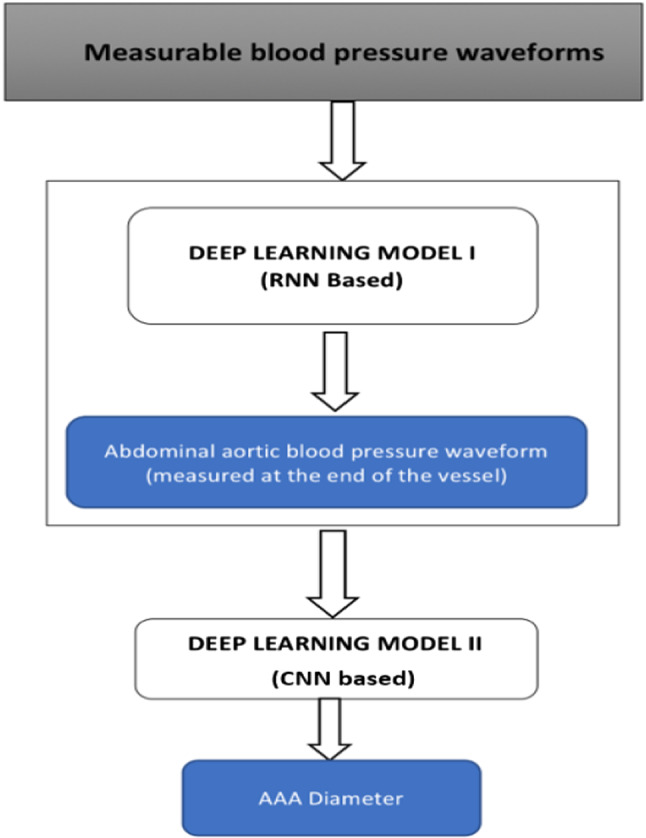
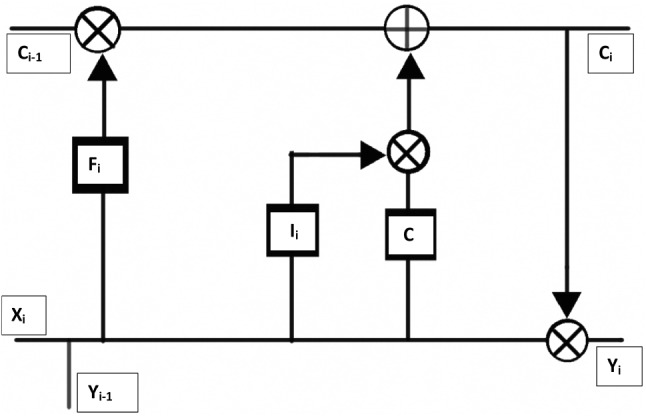
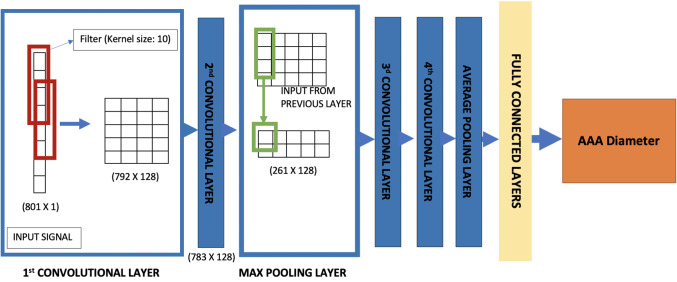
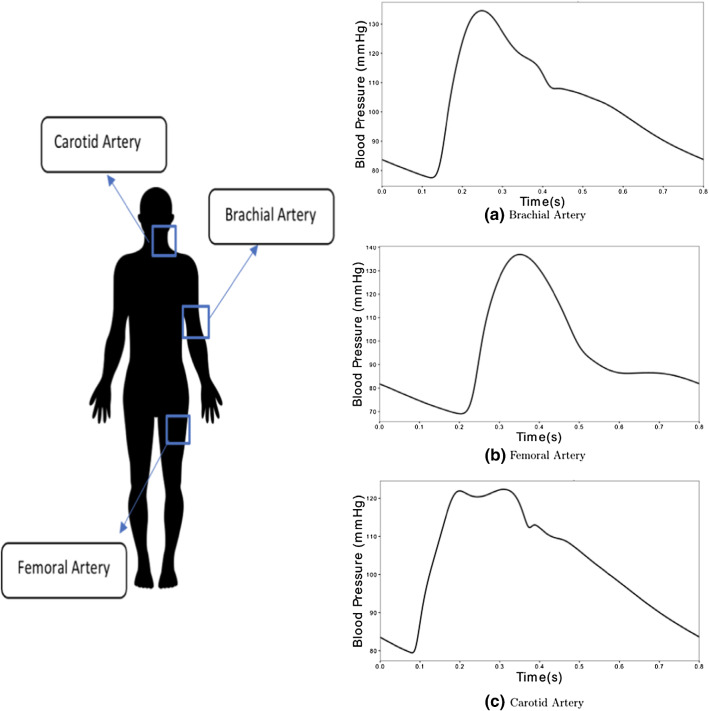
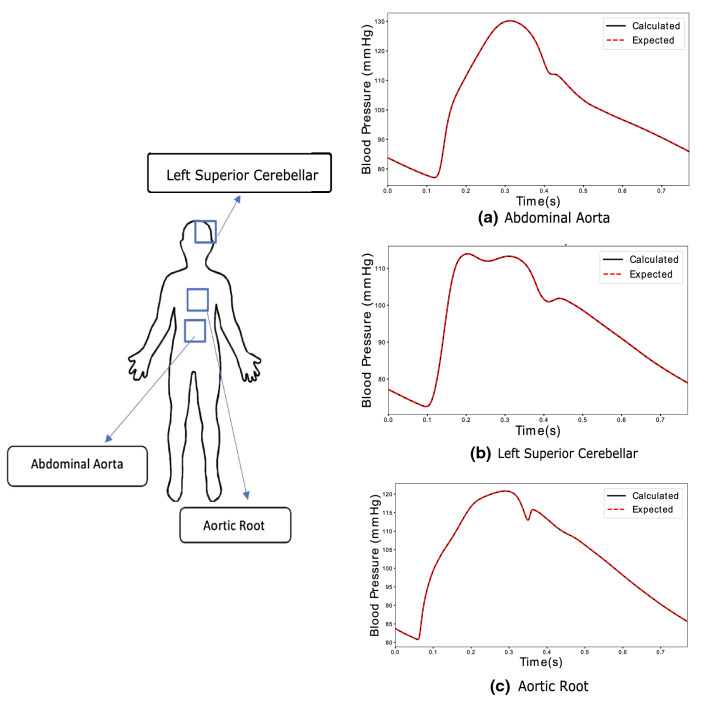
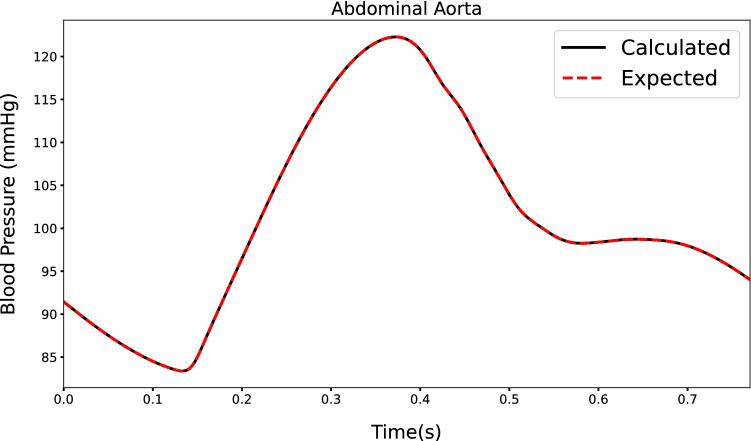
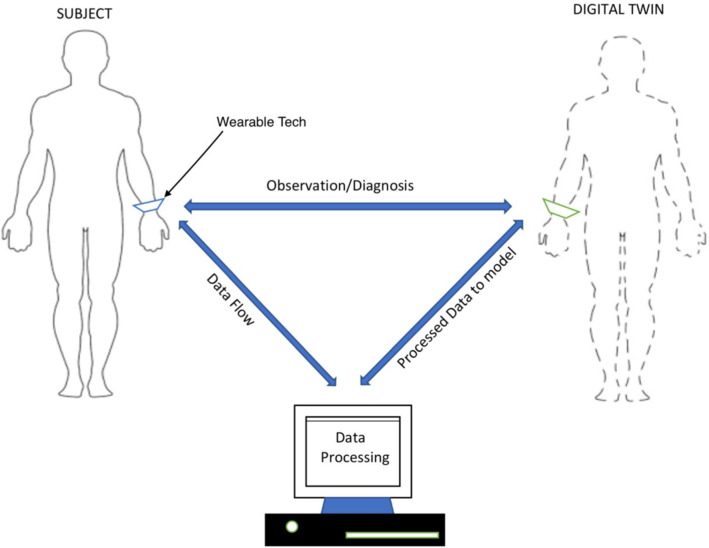
An exponential rise in patient data provides an excellent opportunity to improve the existing health care infrastructure. In the present work, a method to enable cardiovascular digital twin is proposed using inverse analysis. Conventionally, accurate analytical solutions for inverse analysis in linear problems have been proposed and used. However, these methods fail or are not efficient for nonlinear systems, such as blood flow in the cardiovascular system (systemic circulation) that involves high degree of nonlinearity. To address this, a methodology for inverse analysis using recurrent neural network for the cardiovascular system is proposed in this work, using a virtual patient database. Blood pressure waveforms in various vessels of the body are inversely calculated with the help of long short-term memory (LSTM) cells by inputting pressure waveforms from three non-invasively accessible blood vessels (carotid, femoral and brachial arteries). The inverse analysis system built this way is applied to the detection of abdominal aortic aneurysm (AAA) and its severity using neural networks.

摘要

患者数据的指数级增长为改善现有医疗基础设施提供了绝佳机会。在本工作中,使用反演分析提出了一种实现心血管数字孪生的方法。传统上,已经提出并使用了用于线性问题反演分析的精确解析解。然而,对于涉及高度非线性的非线性系统(如心血管系统(体循环)中的血流),这些方法失败或效率不高。为了解决这个问题,本工作提出了一种使用递归神经网络进行心血管系统反演分析的方法,使用虚拟患者数据库。通过从三个非侵入性可访问的血管(颈动脉、股动脉和肱动脉)输入压力波形,使用长短期记忆(LSTM)细胞反向计算身体各部位血管的血压波形。以这种方式构建的反演分析系统被应用于使用神经网络检测腹主动脉瘤(AAA)及其严重程度。
https://cdn.ncbi.nlm.nih.gov/pmc/blobs/de9e/7979679/11716e774fe8/10237_2020_1393_Fig14_HTML.jpg
https://cdn.ncbi.nlm.nih.gov/pmc/blobs/de9e/7979679/b043b1399327/10237_2020_1393_Fig1_HTML.jpg
https://cdn.ncbi.nlm.nih.gov/pmc/blobs/de9e/7979679/5e5e7bf016c0/10237_2020_1393_Fig2_HTML.jpg
https://cdn.ncbi.nlm.nih.gov/pmc/blobs/de9e/7979679/08eb42a33e0d/10237_2020_1393_Fig3_HTML.jpg
https://cdn.ncbi.nlm.nih.gov/pmc/blobs/de9e/7979679/b397e74fa51b/10237_2020_1393_Fig4_HTML.jpg
https://cdn.ncbi.nlm.nih.gov/pmc/blobs/de9e/7979679/12940735b2ad/10237_2020_1393_Fig5_HTML.jpg
https://cdn.ncbi.nlm.nih.gov/pmc/blobs/de9e/7979679/9d56fdb2b061/10237_2020_1393_Fig6_HTML.jpg
https://cdn.ncbi.nlm.nih.gov/pmc/blobs/de9e/7979679/15514a0f6f5e/10237_2020_1393_Fig7_HTML.jpg
https://cdn.ncbi.nlm.nih.gov/pmc/blobs/de9e/7979679/05431c4ba647/10237_2020_1393_Fig8_HTML.jpg
https://cdn.ncbi.nlm.nih.gov/pmc/blobs/de9e/7979679/834ff6d3b491/10237_2020_1393_Fig9_HTML.jpg
https://cdn.ncbi.nlm.nih.gov/pmc/blobs/de9e/7979679/37ee11ff1258/10237_2020_1393_Fig10_HTML.jpg
https://cdn.ncbi.nlm.nih.gov/pmc/blobs/de9e/7979679/e0266684e4e9/10237_2020_1393_Fig11_HTML.jpg
https://cdn.ncbi.nlm.nih.gov/pmc/blobs/de9e/7979679/973420dbb96e/10237_2020_1393_Fig12_HTML.jpg
https://cdn.ncbi.nlm.nih.gov/pmc/blobs/de9e/7979679/1ebb7b98b191/10237_2020_1393_Fig13_HTML.jpg
https://cdn.ncbi.nlm.nih.gov/pmc/blobs/de9e/7979679/11716e774fe8/10237_2020_1393_Fig14_HTML.jpg
https://cdn.ncbi.nlm.nih.gov/pmc/blobs/de9e/7979679/b043b1399327/10237_2020_1393_Fig1_HTML.jpg
https://cdn.ncbi.nlm.nih.gov/pmc/blobs/de9e/7979679/5e5e7bf016c0/10237_2020_1393_Fig2_HTML.jpg
https://cdn.ncbi.nlm.nih.gov/pmc/blobs/de9e/7979679/08eb42a33e0d/10237_2020_1393_Fig3_HTML.jpg
https://cdn.ncbi.nlm.nih.gov/pmc/blobs/de9e/7979679/b397e74fa51b/10237_2020_1393_Fig4_HTML.jpg
https://cdn.ncbi.nlm.nih.gov/pmc/blobs/de9e/7979679/12940735b2ad/10237_2020_1393_Fig5_HTML.jpg
https://cdn.ncbi.nlm.nih.gov/pmc/blobs/de9e/7979679/9d56fdb2b061/10237_2020_1393_Fig6_HTML.jpg
https://cdn.ncbi.nlm.nih.gov/pmc/blobs/de9e/7979679/15514a0f6f5e/10237_2020_1393_Fig7_HTML.jpg
https://cdn.ncbi.nlm.nih.gov/pmc/blobs/de9e/7979679/05431c4ba647/10237_2020_1393_Fig8_HTML.jpg
https://cdn.ncbi.nlm.nih.gov/pmc/blobs/de9e/7979679/834ff6d3b491/10237_2020_1393_Fig9_HTML.jpg
https://cdn.ncbi.nlm.nih.gov/pmc/blobs/de9e/7979679/37ee11ff1258/10237_2020_1393_Fig10_HTML.jpg
https://cdn.ncbi.nlm.nih.gov/pmc/blobs/de9e/7979679/e0266684e4e9/10237_2020_1393_Fig11_HTML.jpg
https://cdn.ncbi.nlm.nih.gov/pmc/blobs/de9e/7979679/973420dbb96e/10237_2020_1393_Fig12_HTML.jpg
https://cdn.ncbi.nlm.nih.gov/pmc/blobs/de9e/7979679/1ebb7b98b191/10237_2020_1393_Fig13_HTML.jpg
https://cdn.ncbi.nlm.nih.gov/pmc/blobs/de9e/7979679/11716e774fe8/10237_2020_1393_Fig14_HTML.jpg

相似文献

1
Towards enabling a cardiovascular digital twin for human systemic circulation using inverse analysis.利用反分析技术实现人体全身循环心血管数字孪生。
Biomech Model Mechanobiol. 2021 Apr;20(2):449-465. doi: 10.1007/s10237-020-01393-6. Epub 2020 Oct 16.
2
Effect of an abdominal aortic aneurysm on wave reflection in the aorta.腹主动脉瘤对主动脉波反射的影响。
IEEE Trans Biomed Eng. 2008 May;55(5):1602-11. doi: 10.1109/TBME.2007.913994.
3
Effects of intraluminal thrombus on patient-specific abdominal aortic aneurysm hemodynamics via stereoscopic particle image velocity and computational fluid dynamics modeling.通过立体粒子图像测速技术和计算流体动力学建模研究腔内血栓对患者特异性腹主动脉瘤血流动力学的影响。
J Biomech Eng. 2014 Mar;136(3):031001. doi: 10.1115/1.4026160.
4
Fluid-structure interaction in abdominal aortic aneurysms: effects of asymmetry and wall thickness.腹主动脉瘤中的流固耦合:不对称性和壁厚的影响
Biomed Eng Online. 2005 Nov 4;4:64. doi: 10.1186/1475-925X-4-64.
5
Development of an Experimental and Digital Cardiovascular Arterial Model for Transient Hemodynamic and Postural Change Studies: "A Preliminary Framework Analysis".用于瞬态血流动力学和姿势变化研究的实验性和数字化心血管动脉模型的开发:“初步框架分析”
Cardiovasc Eng Technol. 2018 Mar;9(1):1-31. doi: 10.1007/s13239-017-0332-z. Epub 2017 Nov 9.
6
A novel method for non-invasively detecting the severity and location of aortic aneurysms.一种用于非侵入性检测主动脉瘤严重程度和位置的新方法。
Biomech Model Mechanobiol. 2017 Aug;16(4):1225-1242. doi: 10.1007/s10237-017-0884-8. Epub 2017 Feb 21.
7
Improving geometric model construction for blood flow modeling.改进用于血流建模的几何模型构建。
IEEE Eng Med Biol Mag. 1999 Nov-Dec;18(6):33-9. doi: 10.1109/51.805142.
8
Application of a novel particle tracking algorithm in the flow visualization of an artificial abdominal aortic aneurysm.一种新型粒子跟踪算法在人工腹主动脉瘤血流可视化中的应用。
Biomed Mater Eng. 2014;24(6):2585-91. doi: 10.3233/BME-141074.
9
Analysis of biomechanical factors affecting stent-graft migration in an abdominal aortic aneurysm model.腹主动脉瘤模型中影响覆膜支架移植物移位的生物力学因素分析。
J Biomech. 2006;39(12):2264-73. doi: 10.1016/j.jbiomech.2005.07.010. Epub 2005 Sep 8.
10
A numerical study of fluid-structure coupled effect of abdominal aortic aneurysm.腹主动脉瘤流固耦合效应的数值研究
Biomed Mater Eng. 2015;26 Suppl 1:S245-55. doi: 10.3233/BME-151311.

引用本文的文献

1
Current progress of digital twin construction using medical imaging.利用医学成像进行数字孪生构建的当前进展。
J Appl Clin Med Phys. 2025 Sep;26(9):e70226. doi: 10.1002/acm2.70226.
2
The impact of experimental designs & system sloppiness on the personalisation process: A cardiovascular perspective.实验设计与系统误差对个性化过程的影响:心血管视角
PLoS One. 2025 Jun 24;20(6):e0326112. doi: 10.1371/journal.pone.0326112. eCollection 2025.
3
Machine Learning Prediction Model for Carotid-Femoral Pulse Wave Velocity in Cardiovascular Health Assessments.
心血管健康评估中颈动脉-股动脉脉搏波速度的机器学习预测模型
J Clin Hypertens (Greenwich). 2025 May;27(5):e70049. doi: 10.1111/jch.70049.
4
A predictive surrogate model of blood haemodynamics for patient-specific carotid artery stenosis.针对特定患者颈动脉狭窄的血液动力学预测替代模型。
J R Soc Interface. 2025 Mar;22(224):20240774. doi: 10.1098/rsif.2024.0774. Epub 2025 Mar 5.
5
How predictive medicine leads to solidarity gaps in health.预测医学如何导致健康领域的团结差距。
NPJ Digit Med. 2025 Feb 18;8(1):111. doi: 10.1038/s41746-025-01497-2.
6
Digital Representation of Patients as Medical Digital Twins: Data-Centric Viewpoint.作为医学数字孪生的患者数字表示:以数据为中心的观点。
JMIR Med Inform. 2025 Jan 28;13:e53542. doi: 10.2196/53542.
7
Digital Twins for Clinical and Operational Decision-Making: Scoping Review.用于临床和运营决策的数字孪生:范围综述
J Med Internet Res. 2025 Jan 8;27:e55015. doi: 10.2196/55015.
8
Immune digital twins for complex human pathologies: applications, limitations, and challenges.免疫数字孪生在复杂人类病理中的应用、局限性和挑战。
NPJ Syst Biol Appl. 2024 Nov 30;10(1):141. doi: 10.1038/s41540-024-00450-5.
9
Concepts and applications of digital twins in healthcare and medicine.数字孪生在医疗保健和医学中的概念与应用。
Patterns (N Y). 2024 Aug 9;5(8):101028. doi: 10.1016/j.patter.2024.101028.
10
Evolution of digital twins in precision health applications: a scoping review study.精准健康应用中数字孪生的发展:一项范围综述研究。
Res Sq. 2024 Aug 7:rs.3.rs-4612942. doi: 10.21203/rs.3.rs-4612942/v1.