Soman Rohan, Balasubramaniam Kaleeswaran, Golestani Ali, Karpiński Michał, Malinowski Pawel
Institute of Fluid Flow Machinery, Polish Academy of Sciences, Fiszera 14, 80-231 Gdańsk, Poland.
Faculty of Physics, University of Warsaw, Pasteura 5, 02-093 Warszawa, Poland.
Sensors (Basel). 2020 Oct 14;20(20):5804. doi: 10.3390/s20205804.
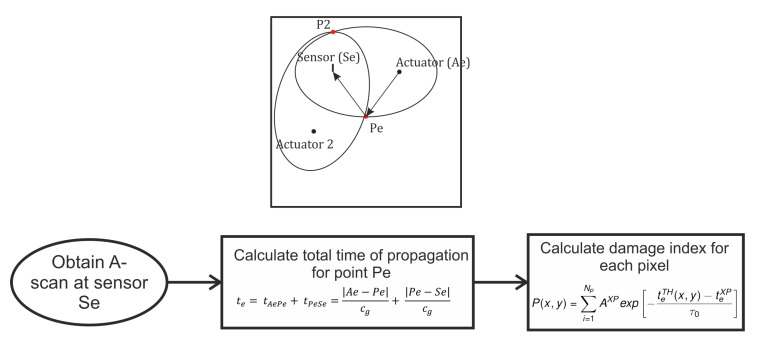
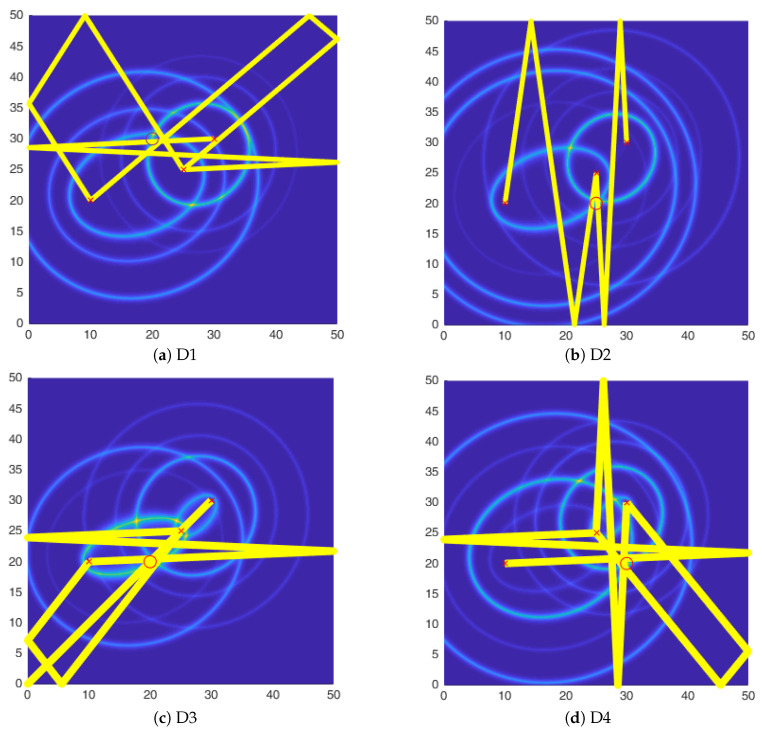
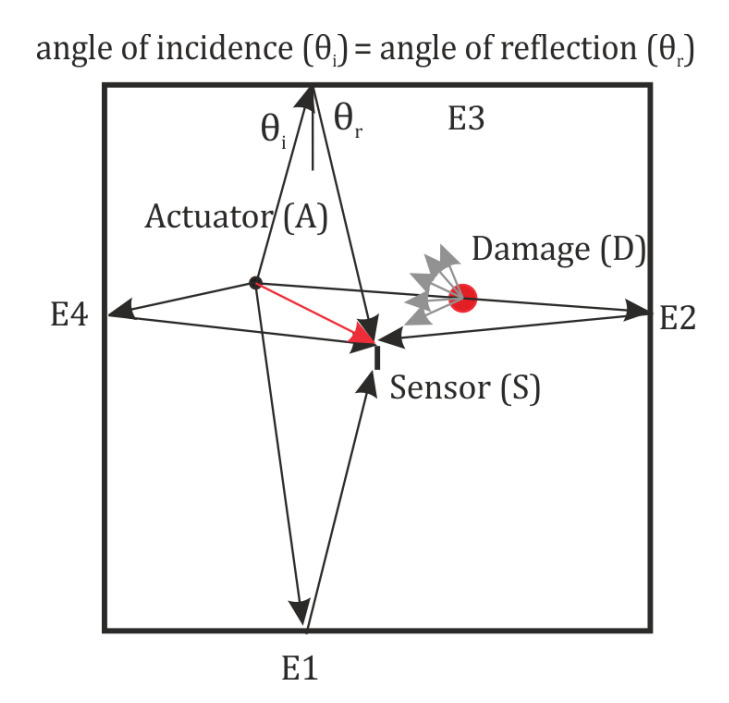
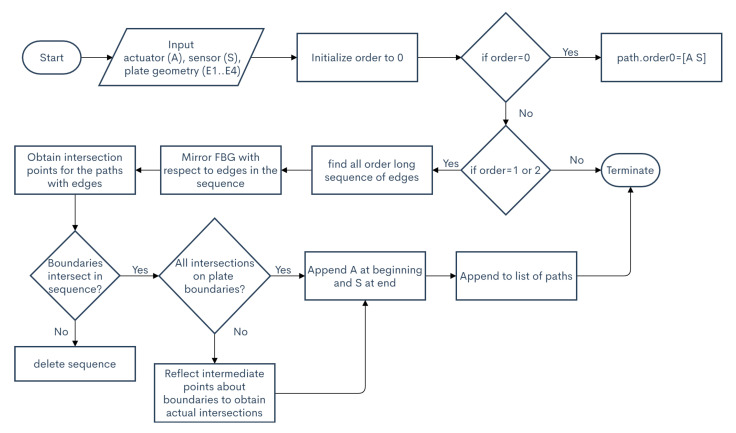
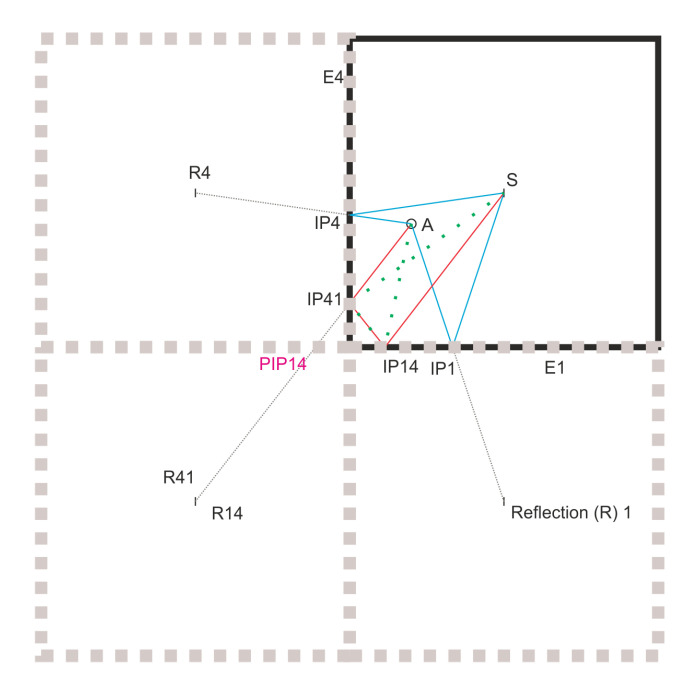
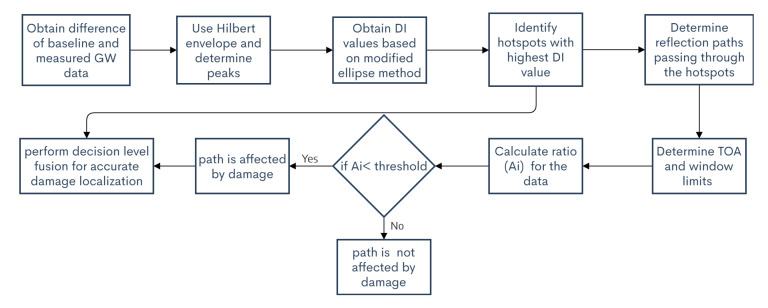
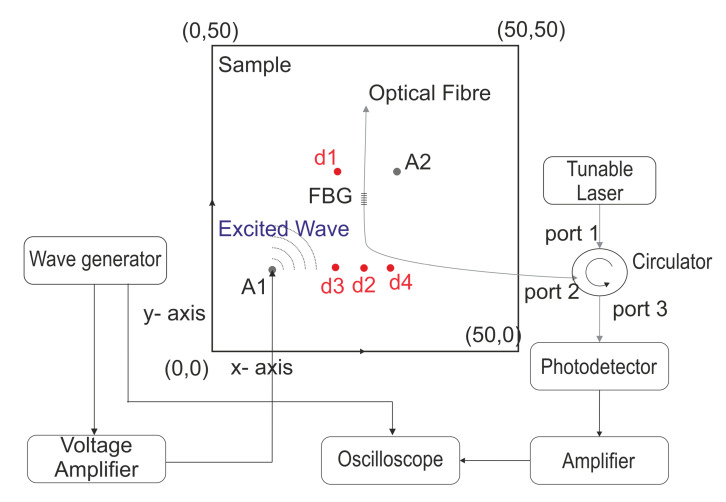
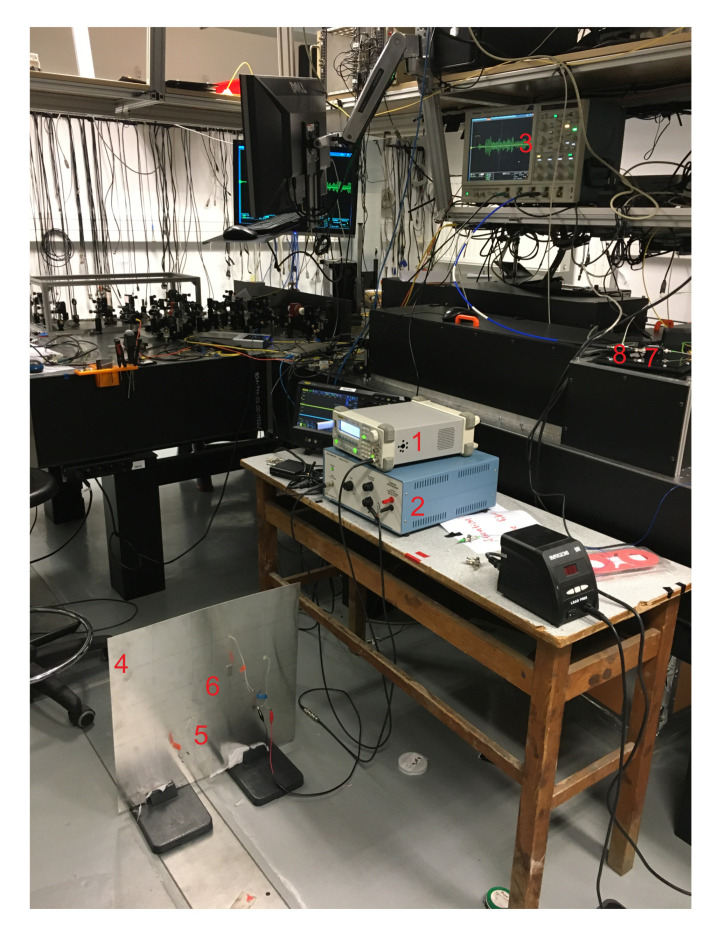
Structural health monitoring (SHM) systems help in reducing maintenance cost and avoiding catastrophic failure of the structure. As a result, they have been a focus of research for the past few decades. Ideally, the methods employed should be low cost and able to detect and localize small levels of damage reliably and accurately. This paper describes a guided waves (GW) based two-step technique for damage detection and localization using fiber Bragg grating (FBG) sensors. The FBG sensors offer benefits such as the ability to be embedded and multiplexed as well as being lightweight and insensitive to electric and magnetic fields, and they have long been seen as a promising solution for the GW measurements in structures. Unfortunately, in the conventional wavelength-based interrogation they have very low signal to noise ratio and as a result low sensitivity. Therefore, the FBG sensor is incorporated in the edge filtering configuration. The major challenges in the use of FBG sensors for GW-based detection are their directional sensitivity and passive nature. The passive nature leads to the reduction in the available actuator-sensor (AS) pairs while the directionality makes the signal processing a challenge. The proposed two-step methodology overcomes these shortcomings of FBG sensors. In the first step the amplitude weighted elliptical approach is used to identify the hotspots due to the inadequate number of AS pairs, the elliptical approach is not sufficient for damage localization. Therefore, in order to further localize the damage the edge reflection based ray-tracing approach is implemented in the second step. Through the two step method, the damage is accurately located. The paper provides the proof of concept of the proposed methodology on an aluminum plate with simulated damage. The results indicate, that indeed the two-step methodology allows accurate damage localization and overcomes the possibility of false detections.
结构健康监测(SHM)系统有助于降低维护成本并避免结构的灾难性故障。因此,在过去几十年中,它们一直是研究的重点。理想情况下,所采用的方法应成本低廉,并且能够可靠、准确地检测和定位小程度的损伤。本文描述了一种基于导波(GW)的两步技术,用于使用光纤布拉格光栅(FBG)传感器进行损伤检测和定位。FBG传感器具有诸如能够嵌入和复用、重量轻以及对电场和磁场不敏感等优点,长期以来它们一直被视为结构中GW测量的一种有前途的解决方案。不幸的是,在传统的基于波长的询问中,它们的信噪比非常低,因此灵敏度也很低。因此,FBG传感器被纳入边缘滤波配置中。将FBG传感器用于基于GW的检测的主要挑战在于它们的方向敏感性和无源特性。无源特性导致可用的 actuator - sensor(AS)对数量减少,而方向性使得信号处理成为一项挑战。所提出的两步方法克服了FBG传感器的这些缺点。在第一步中,由于AS对数量不足,使用幅度加权椭圆法来识别热点,椭圆法对于损伤定位是不够的。因此,为了进一步定位损伤,在第二步中实施基于边缘反射的射线追踪方法。通过两步法,可以准确地定位损伤。本文在具有模拟损伤的铝板上提供了所提出方法的概念验证。结果表明,两步法确实能够实现准确的损伤定位并克服误检测的可能性。