Division of Genetics, Department of Pediatrics, Institute for Genomic Medicine, Program in Immunology, University of California San Diego, La Jolla, CA, USA.
Bioinformatics Program, University of California San Diego, La Jolla, CA, USA.
EMBO Rep. 2020 Dec 3;21(12):e49183. doi: 10.15252/embr.201949183. Epub 2020 Oct 19.
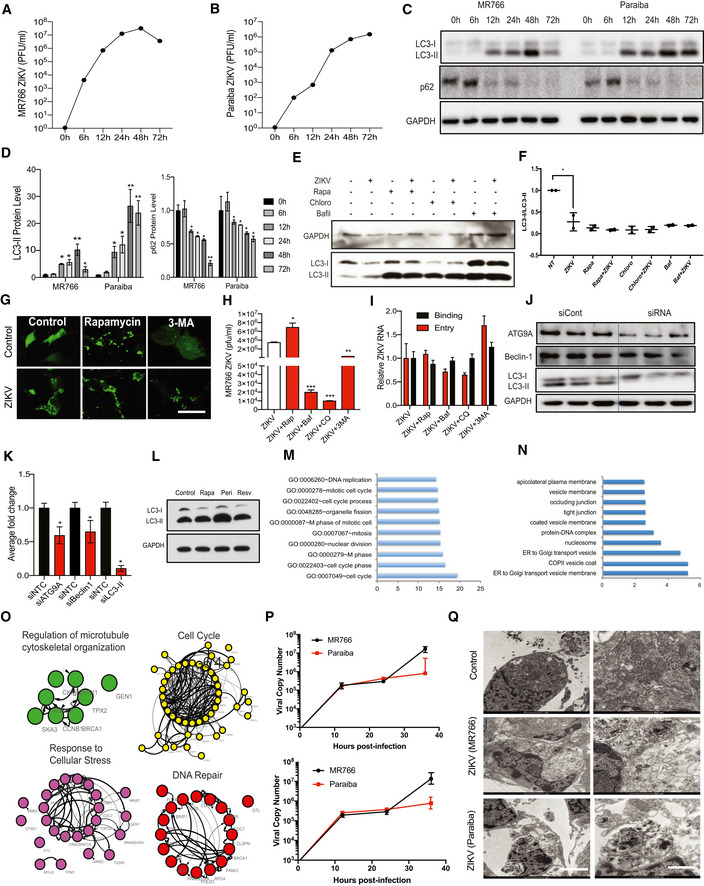
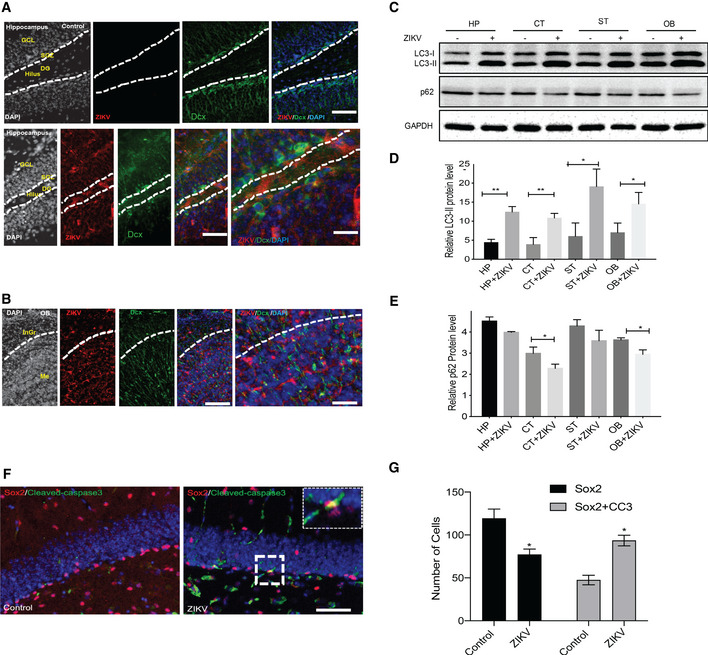
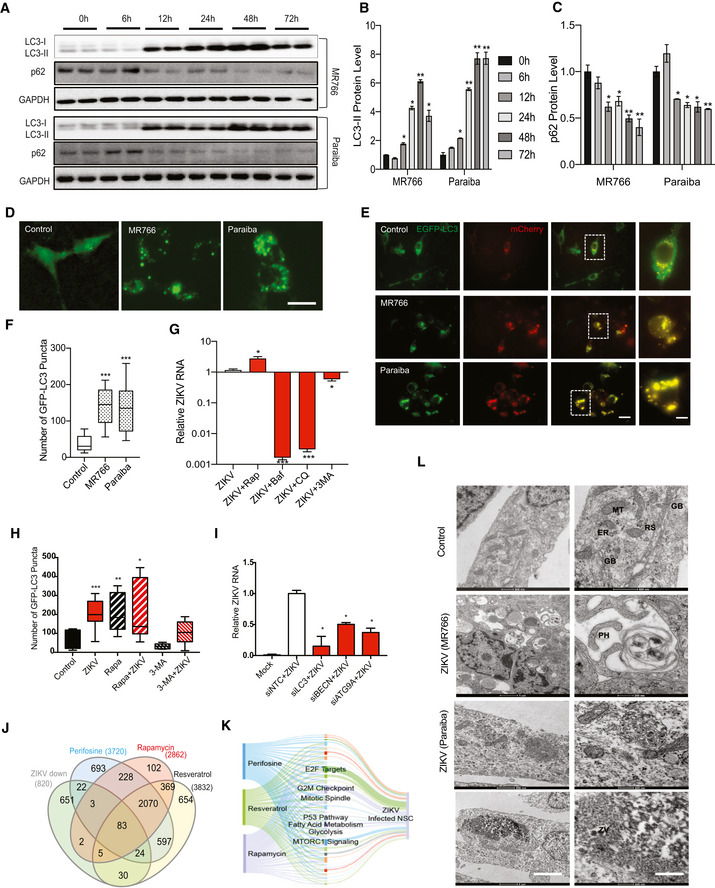
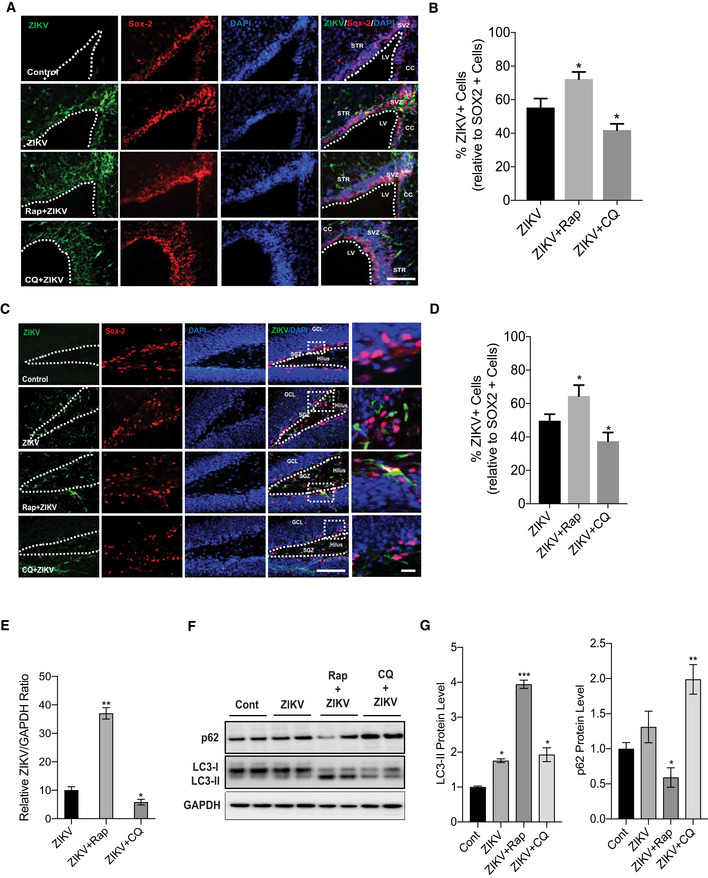
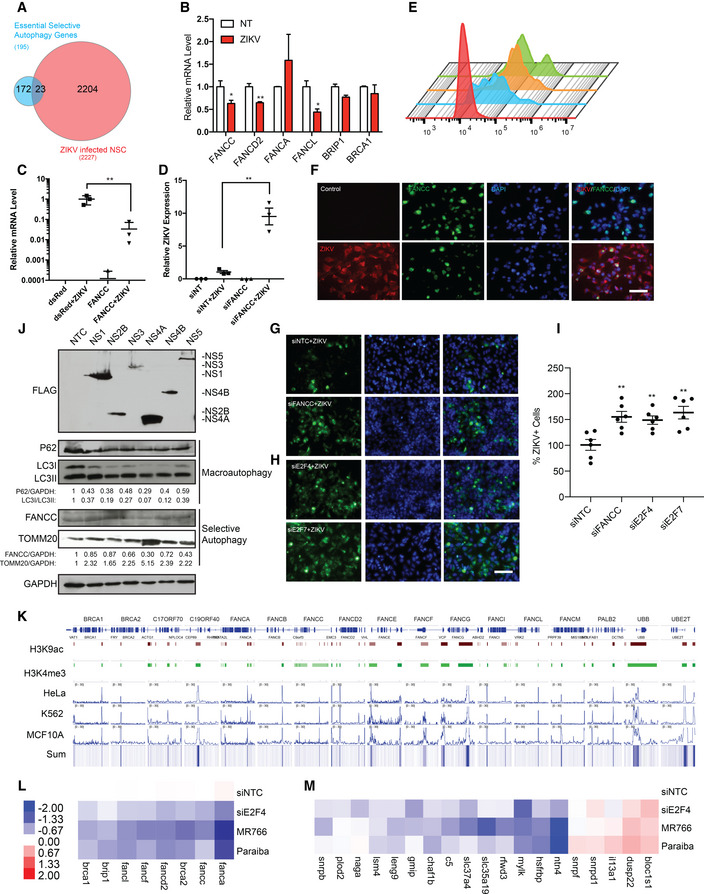
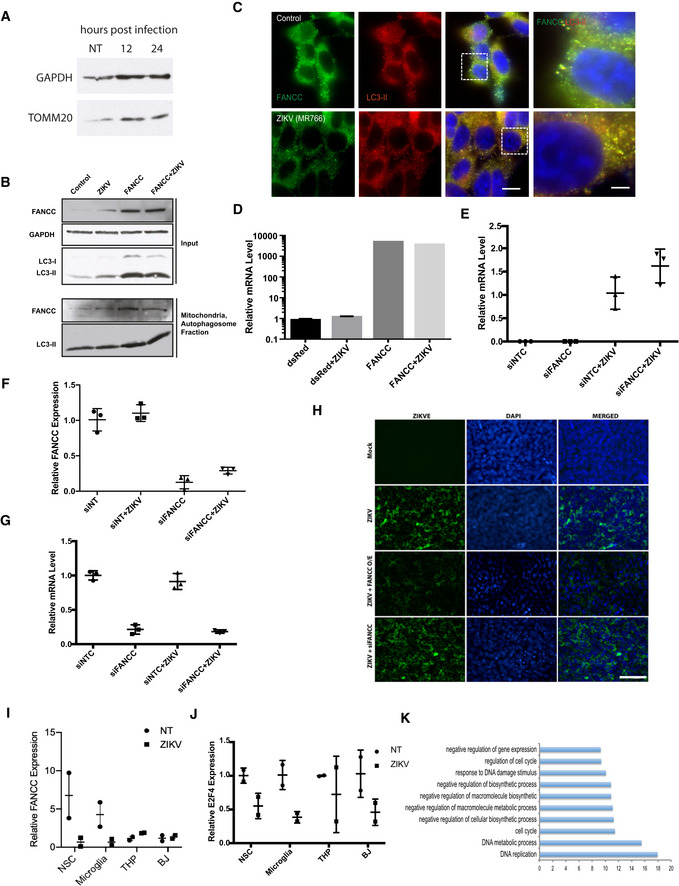
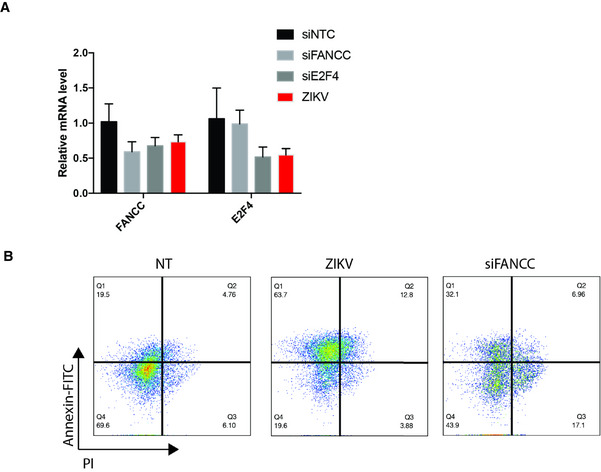
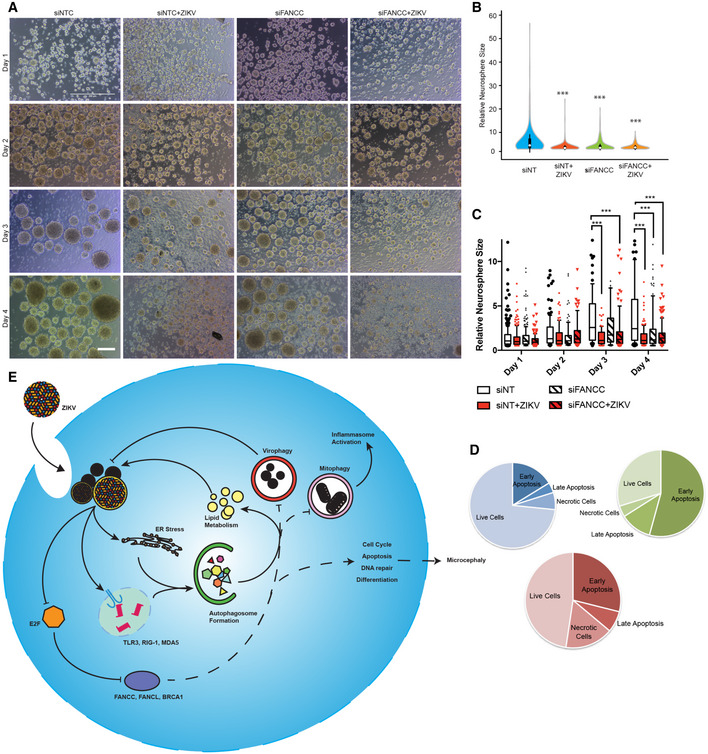
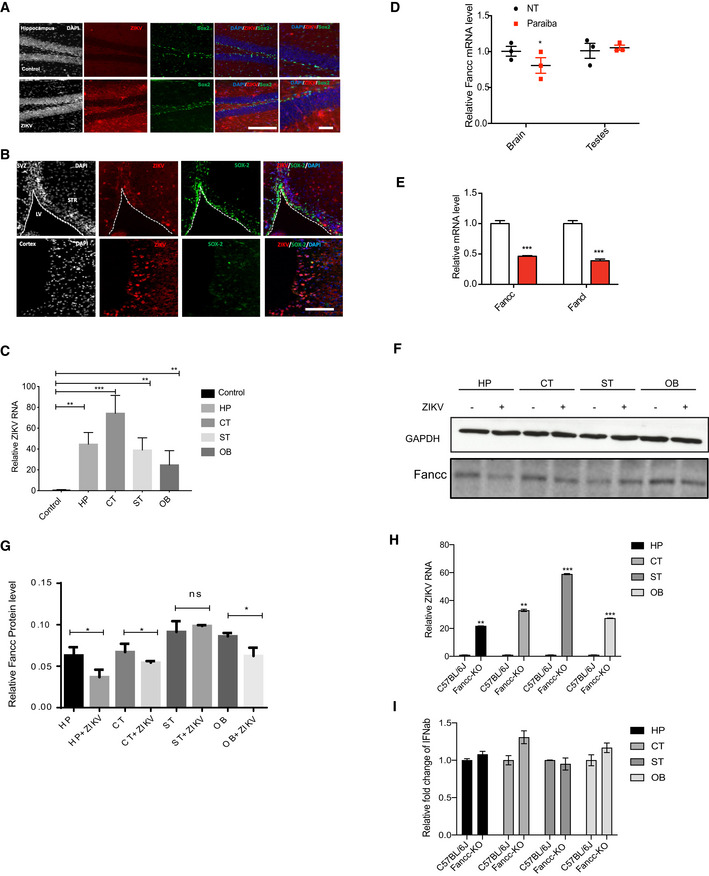
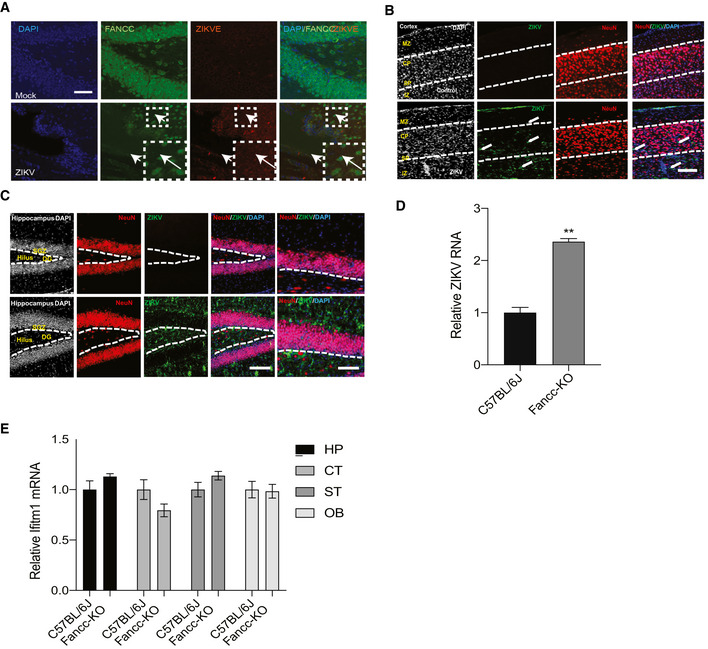
Zika virus (ZIKV) is an emerging flavivirus, which when passed through vertical transmission from mother to developing fetus can lead to developmental abnormalities, including microcephaly. While there is mounting evidence that suggests a causal relationship between ZIKV infection and microcephaly, the mechanisms by which ZIKV induces these changes remain to be elucidated. Here, we demonstrate that ZIKV infection of neural stems cells, both in vitro and in vivo, induces macroautophagy to enhance viral replication. At the same time, ZIKV downregulates a number of essential selective autophagy genes, including the Fanconi anemia (FA) pathway genes. Bioinformatics analyses indicate that the transcription factor E2F4 promotes FANCC expression and is downregulated upon ZIKV infection. Gain and loss of function assays indicate that FANCC is essential for selective autophagy and acts as a negative regulator of ZIKV replication. Finally, we show that Fancc KO mice have increased ZIKV infection and autophagy protein levels in various brain regions. Taken together, ZIKV downregulates FANCC to modulate the host antiviral response and simultaneously attenuate neuronal growth.
寨卡病毒(ZIKV)是一种新兴的黄病毒,当它通过垂直传播从母亲传染给发育中的胎儿时,可能导致发育异常,包括小头畸形。虽然越来越多的证据表明 ZIKV 感染与小头畸形之间存在因果关系,但 ZIKV 诱导这些变化的机制仍有待阐明。在这里,我们证明 ZIKV 感染神经干细胞,无论是在体外还是体内,都会诱导巨自噬来增强病毒复制。同时,ZIKV 下调了许多必需的选择性自噬基因,包括范可尼贫血(FA)途径基因。生物信息学分析表明,转录因子 E2F4 促进 FANCC 的表达,并在 ZIKV 感染后下调。增益和缺失功能实验表明,FANCC 对选择性自噬是必需的,并作为 ZIKV 复制的负调节剂。最后,我们表明 Fancc KO 小鼠在不同的大脑区域中具有增加的 ZIKV 感染和自噬蛋白水平。总之,ZIKV 下调 FANCC 以调节宿主抗病毒反应,同时减弱神经元生长。