Department of Instrumentation and Control Engineering, Faculty of Engineering, King Mongkut's Institute of Technology Ladkrabang, Bangkok 10520, Thailand.
Sensors (Basel). 2020 Oct 15;20(20):5828. doi: 10.3390/s20205828.
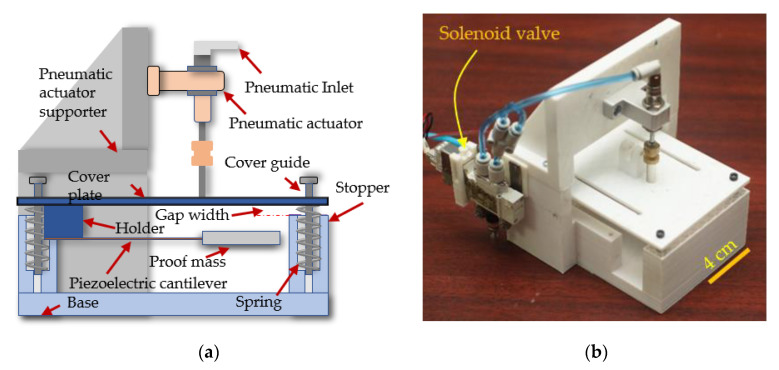
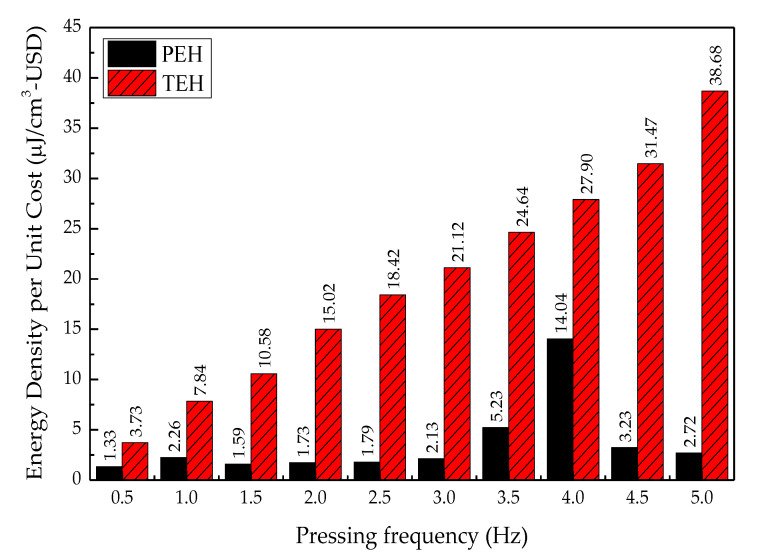
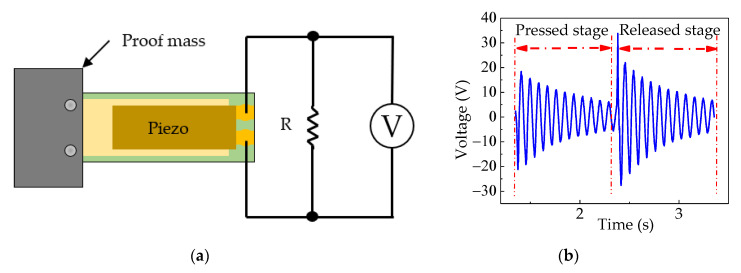
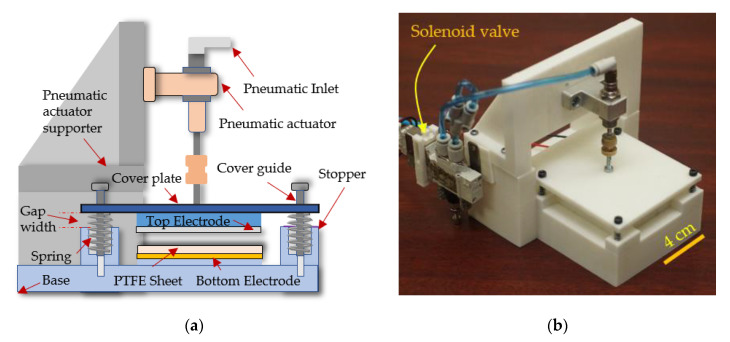
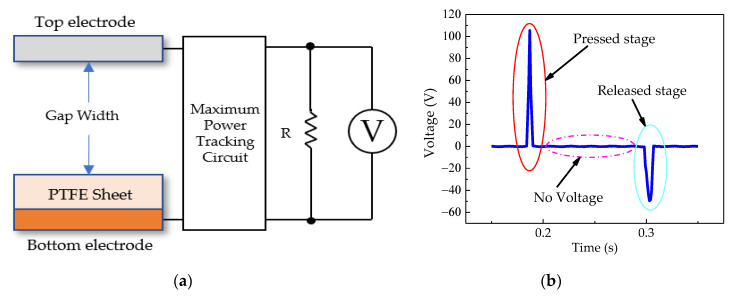
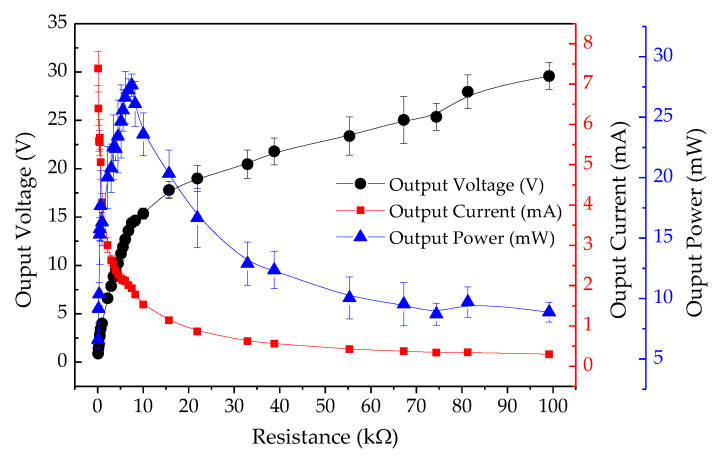
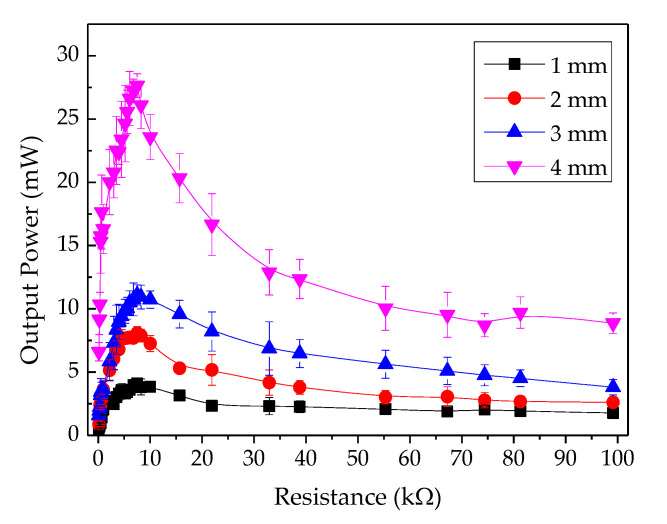
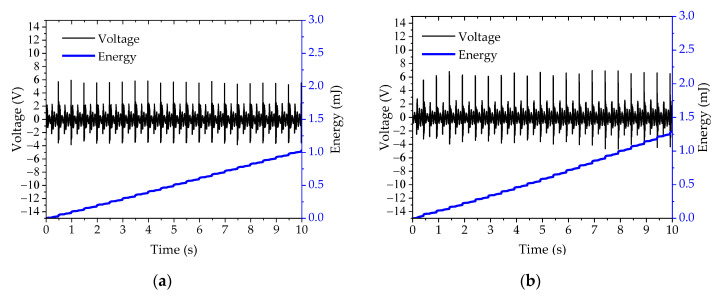
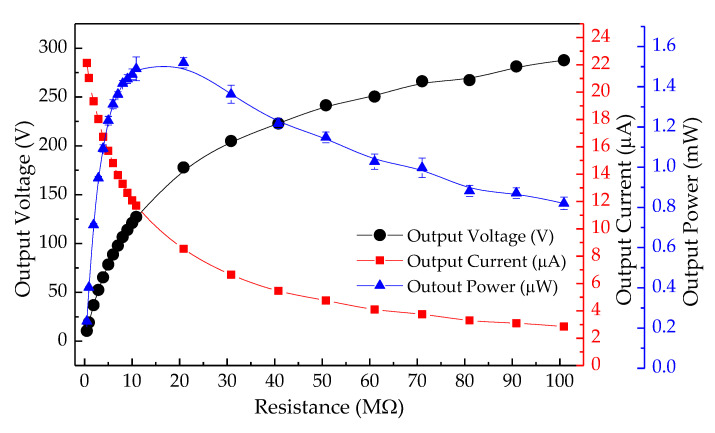
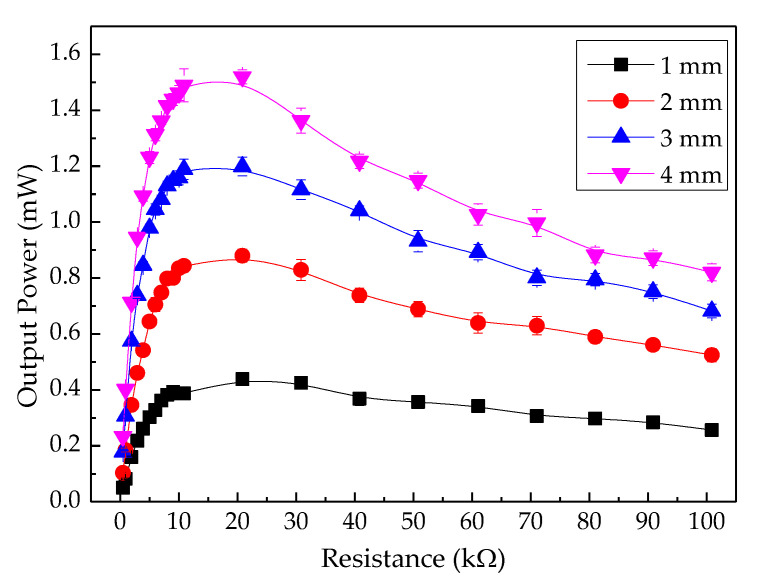
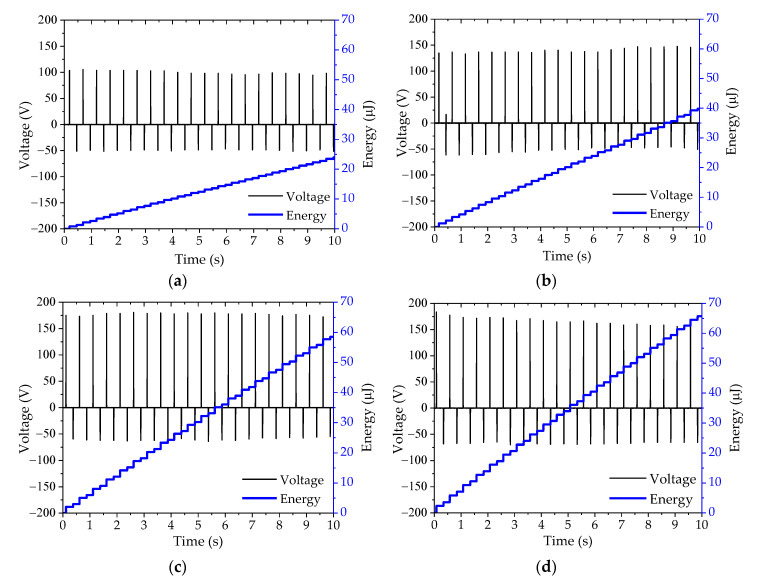
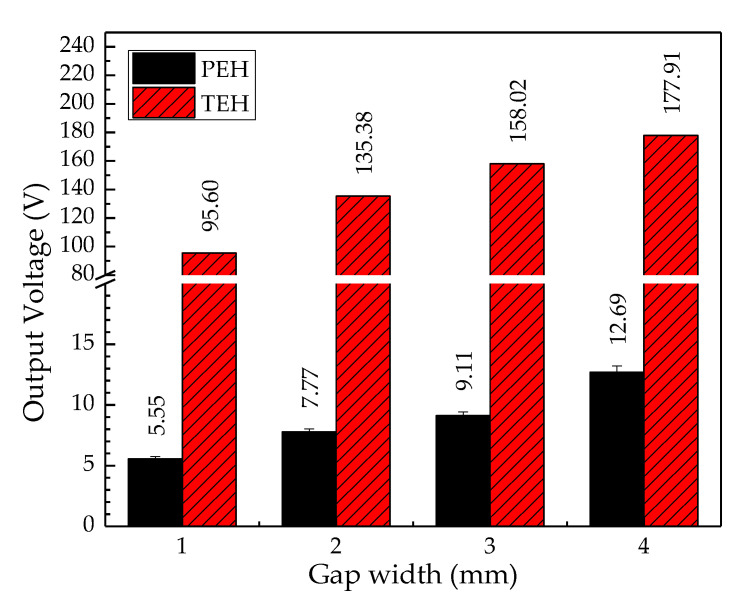
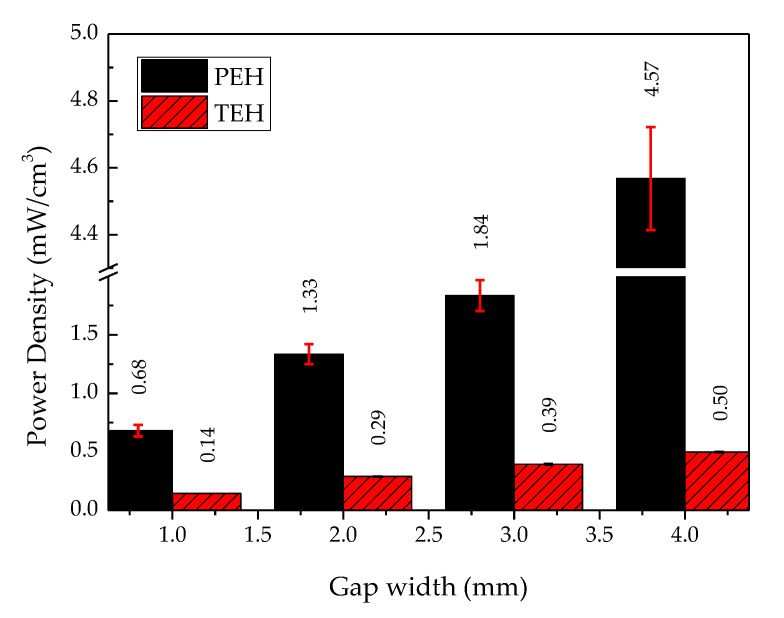
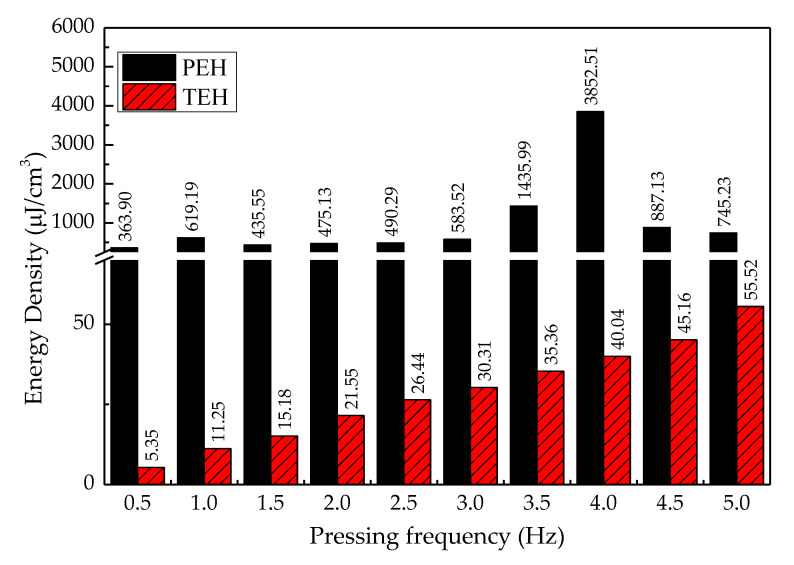
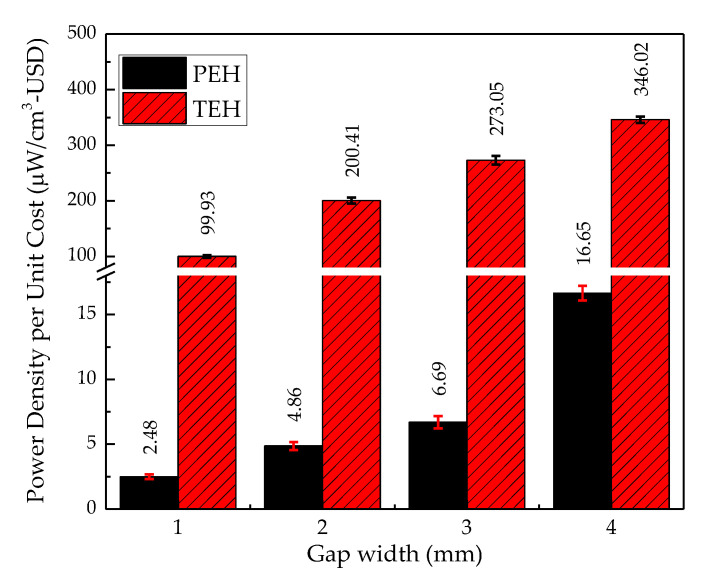
This work investigated the mechanical and electrical behaviors of piezoelectric and triboelectric energy harvesters (PEHs and TEHs, respectively) as potential devices for harvesting impact-driven energy. PEH and TEH test benches were designed and developed, aiming at harvesting low-frequency mechanical vibration generated by human activities, for example, a floor-tile energy harvester actuated by human footsteps. The electrical performance and behavior of these energy harvesters were evaluated and compared in terms of absolute energy and power densities that they provided and in terms of these energy and power densities normalized to unit material cost. Several aspects related to the design and development of PEHs and TEHs as the energy harvesting devices were investigated, covering the following topics: construction and mechanism of the energy harvesters; electrical characteristics of the fabricated piezoelectric and triboelectric materials; and characterization of the energy harvesters. At a 4 mm gap width between the cover plate and the stopper (the mechanical actuation components of both energy harvesters) and a cover plate pressing frequency of 2 Hz, PEH generated 27.64 mW, 1.90 mA, and 14.39 V across an optimal resistive load of 7.50 kΩ, while TEH generated 1.52 mW, 8.54 µA, and 177.91 V across an optimal resistive load of 21 MΩ. The power and energy densities of PEH (4.57 mW/cm and 475.13 µJ/cm) were higher than those of TEH (0.50 mW/cm, and 21.55 µJ/cm). However, when the material cost is taken into account, TEH provided higher power and energy densities per unit cost. Hence, it has good potential for upscaling, and is considered well worth the investment. The advantages and disadvantages of PEH and TEH are also highlighted as main design factors.
这项工作研究了压电和摩擦电能量收集器(分别为 PEH 和 TEH)的机械和电气行为,它们是收集冲击驱动能量的潜在设备。设计和开发了 PEH 和 TEH 测试台,旨在收集人体活动产生的低频机械振动,例如,由人脚步驱动的地砖能量收集器。从绝对能量和功率密度以及单位材料成本归一化的能量和功率密度两个方面评估和比较了这些能量收集器的电性能和行为。研究了作为能量收集器的 PEH 和 TEH 的设计和开发的几个方面,涵盖以下主题:能量收集器的结构和机制;所制造的压电和摩擦电材料的电气特性;以及能量收集器的特性。在盖板和挡块(两个能量收集器的机械致动部件)之间的间隙宽度为 4mm,盖板按压频率为 2Hz 的情况下,PEH 在最优电阻负载为 7.50kΩ 时产生 27.64mW、1.90mA 和 14.39V,而 TEH 在最优电阻负载为 21MΩ 时产生 1.52mW、8.54µA 和 177.91V。PEH 的功率和能量密度(4.57mW/cm 和 475.13µJ/cm)高于 TEH(0.50mW/cm 和 21.55µJ/cm)。然而,当考虑材料成本时,TEH 每单位成本提供更高的功率和能量密度。因此,它具有很好的扩展潜力,被认为是值得投资的。还强调了 PEH 和 TEH 的优缺点作为主要设计因素。