Schilke Robert M, Blackburn Cassidy M R, Bamgbose Temitayo T, Woolard Matthew D
Department of Microbiology and Immunology, Louisiana State University Health Sciences Center, Shreveport, LA 71130, USA.
Biomolecules. 2020 Oct 15;10(10):1449. doi: 10.3390/biom10101449.
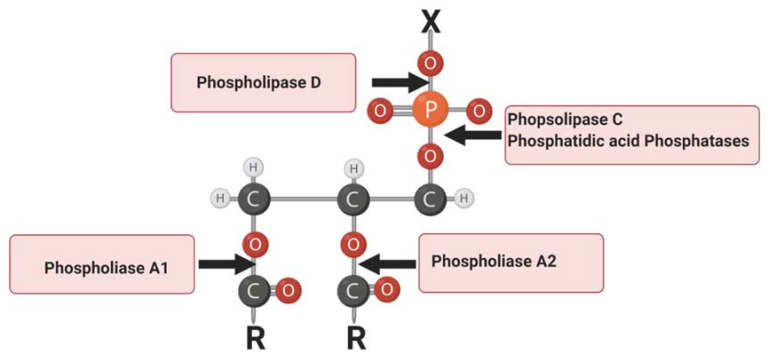
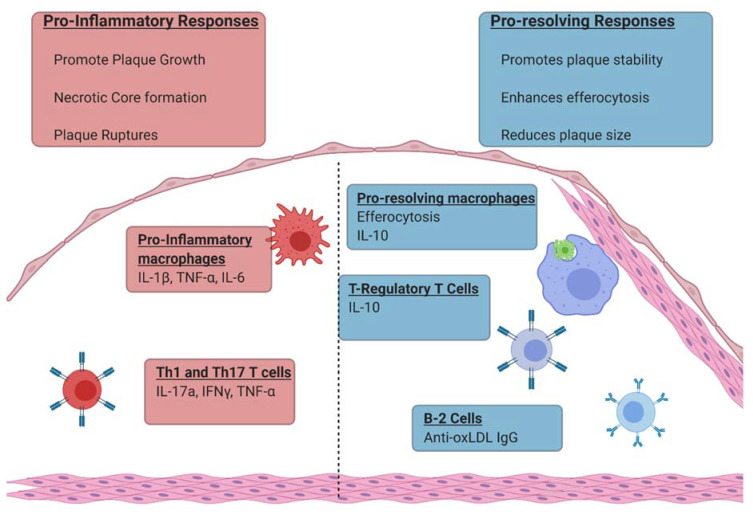
Phospholipases are a family of lipid-altering enzymes that can either reduce or increase bioactive lipid levels. Bioactive lipids elicit signaling responses, activate transcription factors, promote G-coupled-protein activity, and modulate membrane fluidity, which mediates cellular function. Phospholipases and the bioactive lipids they produce are important regulators of immune cell activity, dictating both pro-inflammatory and pro-resolving activity. During atherosclerosis, pro-inflammatory and pro-resolving activities govern atherosclerosis progression and regression, respectively. This review will look at the interface of phospholipase activity, immune cell function, and atherosclerosis.
磷脂酶是一类能够改变脂质的酶,它们可以降低或提高生物活性脂质水平。生物活性脂质引发信号反应、激活转录因子、促进G蛋白偶联活性并调节膜流动性,而膜流动性介导细胞功能。磷脂酶及其产生的生物活性脂质是免疫细胞活性的重要调节因子,决定着促炎和促消退活性。在动脉粥样硬化过程中,促炎和促消退活性分别控制着动脉粥样硬化的进展和消退。本综述将探讨磷脂酶活性、免疫细胞功能与动脉粥样硬化之间的关系。