Department of Emergency and Critical Care Medicine, Second Hospital of Jilin University, Changchun, Jilin Province, China.
International Renal Research Institute of Vicenza (IRRIV), Vicenza, Italy.
Crit Care. 2020 Oct 19;24(1):614. doi: 10.1186/s13054-020-03327-1.
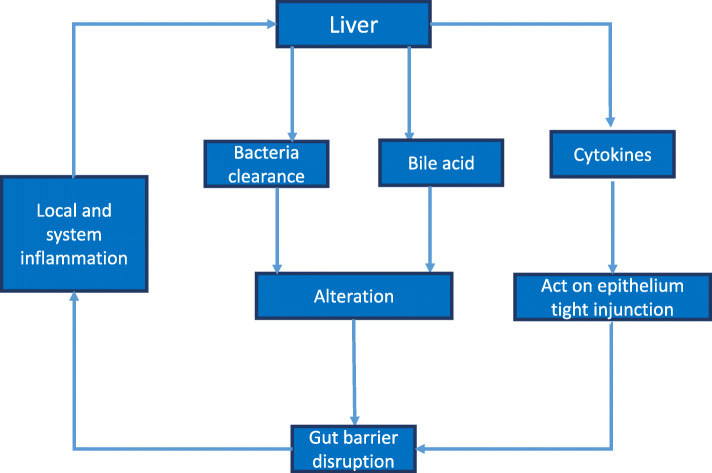
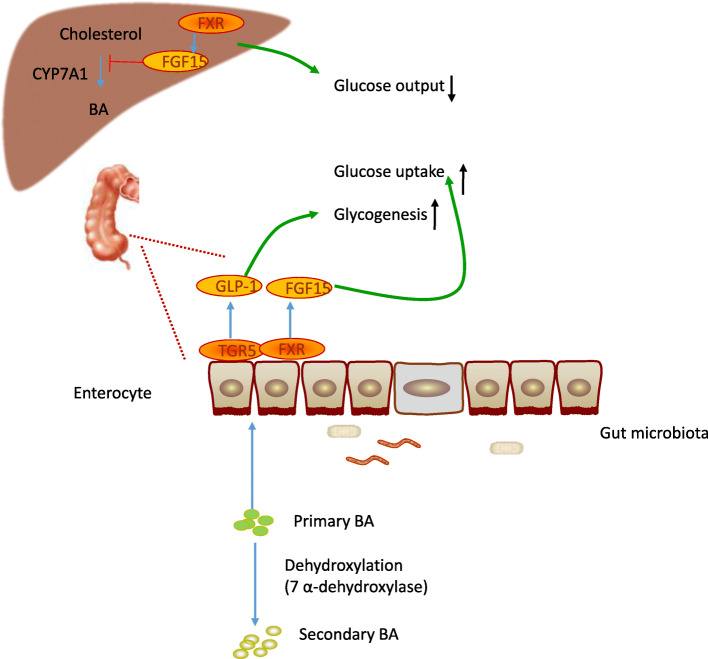
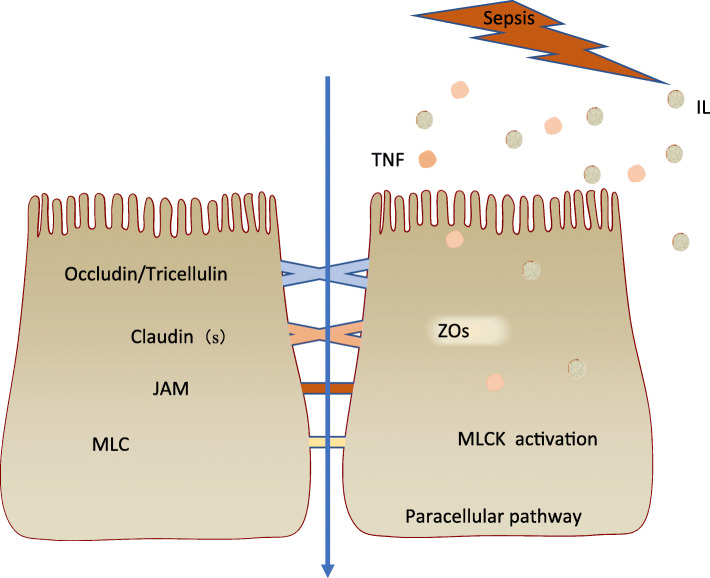
Sepsis is characterized by a dysregulated immune response to infection leading to life-threatening organ dysfunction. Sepsis-induced liver injury is recognized as a powerful independent predictor of mortality in the intensive care unit. During systemic infections, the liver regulates immune defenses via bacterial clearance, production of acute-phase proteins (APPs) and cytokines, and metabolic adaptation to inflammation. Increased levels of inflammatory cytokines and impaired bacterial clearance and disrupted metabolic products can cause gut microbiota dysbiosis and disruption of the intestinal mucosal barrier. Changes in the gut microbiota play crucial roles in liver injury during sepsis. Bacterial translocation and resulting intestinal inflammation lead to a systemic inflammatory response and acute liver injury. The gut-liver crosstalk is a potential target for therapeutic interventions. This review analyzes the underlying mechanisms for the gut-liver crosstalk in sepsis-induced liver injury.
脓毒症的特征是对感染的免疫反应失调,导致危及生命的器官功能障碍。脓毒症引起的肝损伤被认为是重症监护病房死亡率的有力独立预测因子。在全身感染过程中,肝脏通过清除细菌、产生急性期蛋白(APPs)和细胞因子以及对炎症的代谢适应来调节免疫防御。炎症细胞因子水平升高,细菌清除能力受损,代谢产物紊乱,可导致肠道菌群失调和肠黏膜屏障破坏。在脓毒症期间,肠道微生物群的变化在肝损伤中起着至关重要的作用。细菌易位和随之发生的肠道炎症导致全身炎症反应和急性肝损伤。肠-肝相互作用是治疗干预的潜在靶点。本综述分析了脓毒症引起的肝损伤中肠-肝相互作用的潜在机制。