Institute of Human Genetics, Heidelberg University, Heidelberg, Germany.
Institute of Human Genetics, University Hospital Essen, University Duisburg-Essen, Essen, Germany.
Orphanet J Rare Dis. 2020 Oct 19;15(1):294. doi: 10.1186/s13023-020-01557-8.
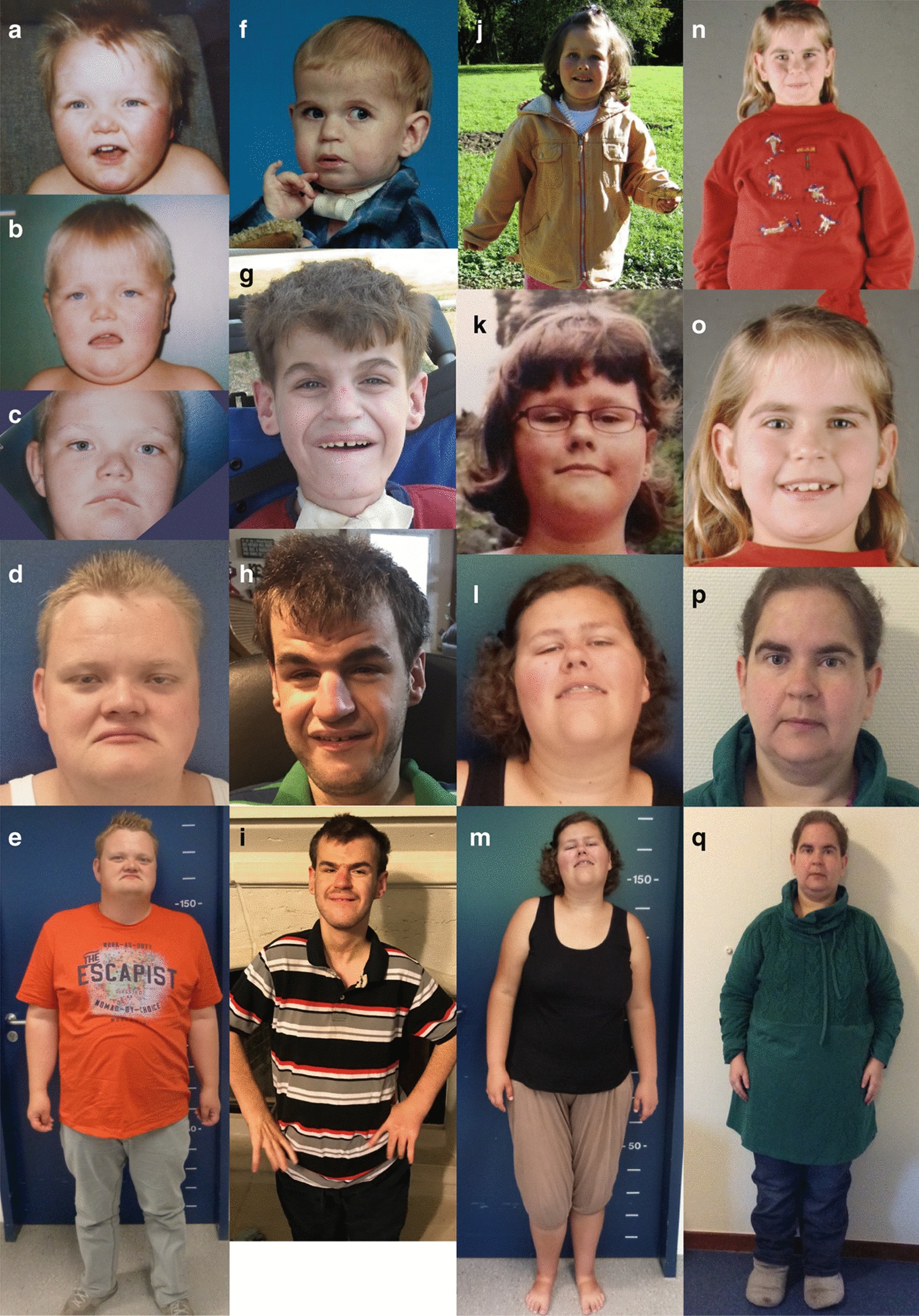
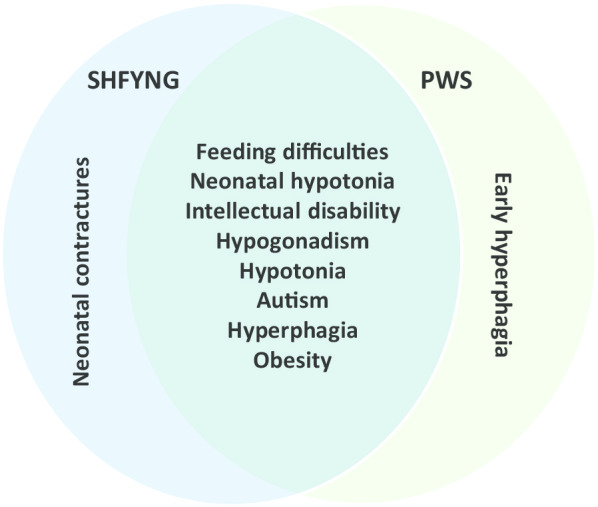
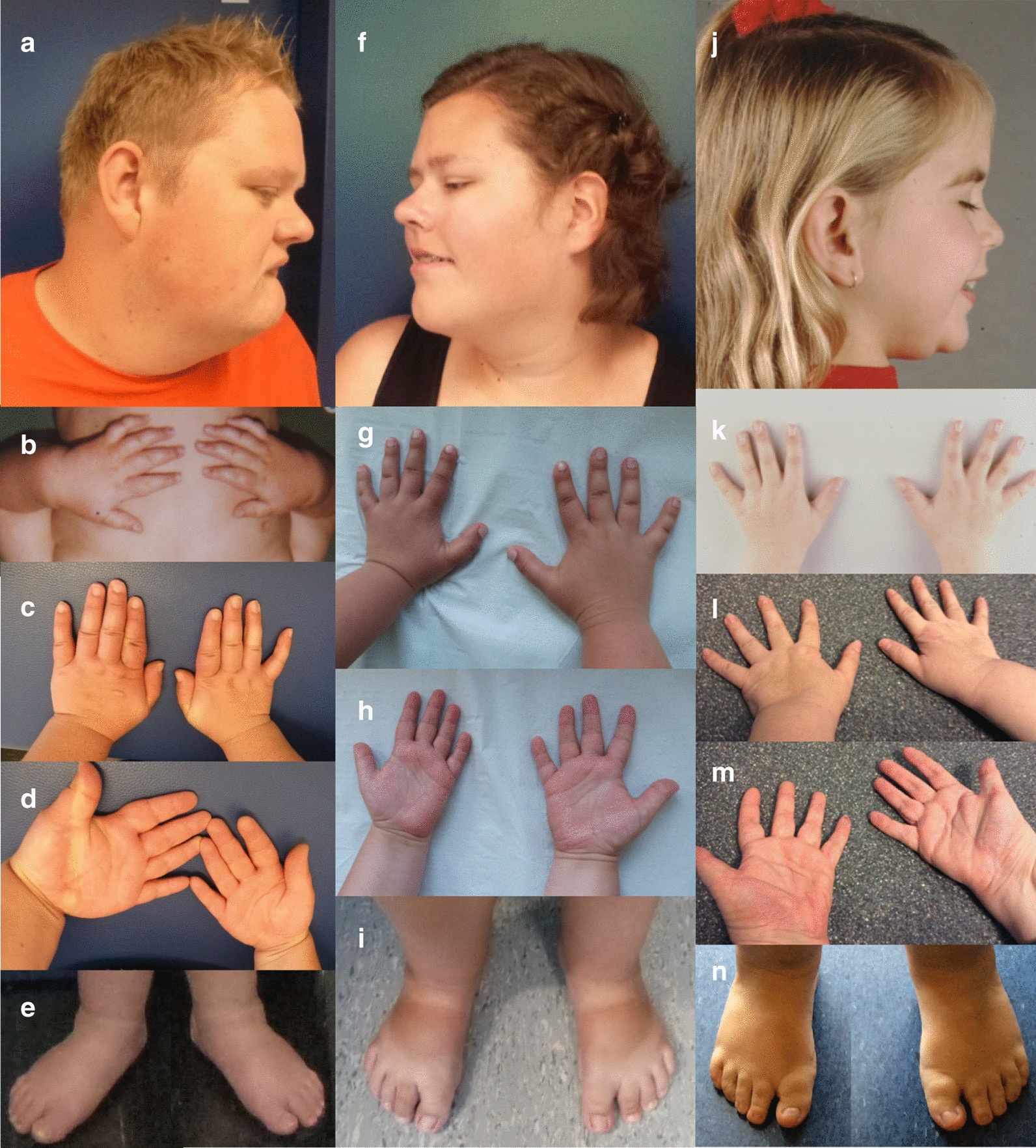
MAGEL2-associated Schaaf-Yang syndrome (SHFYNG, OMIM #615547, ORPHA: 398069), which was identified in 2013, is a rare disorder caused by truncating variants of the paternal copy of MAGEL2, which is localized in the imprinted region on 15q11.2q13. The phenotype of SHFYNG in childhood partially overlaps with that of the well-established Prader-Willi syndrome (PWS, OMIM #176270). While larger numbers of younger individuals with SHFYNG have been recently published, the phenotype in adulthood is not well established. We recruited 7 adult individuals (aged 18 to 36) with molecularly confirmed SHFYNG and collected data regarding the clinical profile including eating habits, sleep, behavior, personal autonomy, psychiatric abnormalities and other medical conditions, as well as information about the respective phenotypes in childhood.
Within our small cohort, we identified a range of common features, such as disturbed sleep, hypoactivity, social withdrawal and anxiety, but also noted considerable differences at the level of personal autonomy and skills. Behavioral problems were frequent, and a majority of individuals displayed weight gain and food-seeking behavior, along with mild intellectual disability or borderline intellectual function. Classical symptoms of SHFYNG in childhood were reported for most individuals.
Our findings indicate a high variability of the functional abilities and social participation of adults with SHFYNG. A high prevalence of obesity within our cohort was notable, and uncontrollable food intake was a major concern for some caregivers. The phenotypes of PWS and SHFYNG in adulthood might be more difficult to discern than the phenotypes in childhood. Molecular genetic testing for SHFYNG should therefore be considered in adults with the suspected diagnosis of PWS, if testing for PWS has been negative.
MAGEL2 相关 Schaaf-Yang 综合征(SHFYNG,OMIM#615547,ORPHA:398069)于 2013 年被发现,是一种罕见疾病,由 MAGEL2 父本拷贝的截断变异引起,该基因定位于 15q11.2q13 的印迹区域。SHFYNG 在儿童期的表型部分与已确立的 Prader-Willi 综合征(PWS,OMIM#176270)重叠。虽然最近发表了更多数量的患有 SHFYNG 的年轻个体,但成人表型尚未得到很好的确定。我们招募了 7 名经分子证实患有 SHFYNG 的成年个体(年龄 18 至 36 岁),并收集了有关临床特征的数据,包括饮食习惯、睡眠、行为、个人自主性、精神异常和其他医疗状况,以及儿童时期各自表型的信息。
在我们的小队列中,我们确定了一系列常见特征,例如睡眠障碍、活动减少、社交退缩和焦虑,但在个人自主性和技能水平上也存在相当大的差异。行为问题很常见,大多数个体都出现体重增加和寻食行为,同时伴有轻度智力障碍或边缘智力功能。大多数个体报告了 SHFYNG 的典型儿童期症状。
我们的研究结果表明,SHFYNG 成年患者的功能能力和社会参与存在高度变异性。我们的队列中肥胖的患病率很高,一些照顾者对无法控制的饮食摄入感到担忧。与儿童期表型相比,成人 PWS 和 SHFYNG 的表型可能更难区分。因此,如果对 PWS 的检测为阴性,对于疑似 PWS 的成年患者,应考虑进行 SHFYNG 的分子遗传学检测。