C.Y.O'Connor ERADE Village Foundation, Piara Waters, Perth, WA, Australia; Melville Analytics Pty Ltd, Melbourne, VIC, Australia; Centre for Astrobiology, University of Ruhuna, Matara, Sri Lanka.
University Toronto Health Network, Toronto General Hospital, University of Toronto, Toronto, ON, Canada.
Adv Genet. 2020;106:75-100. doi: 10.1016/bs.adgen.2020.04.002. Epub 2020 Jul 14.
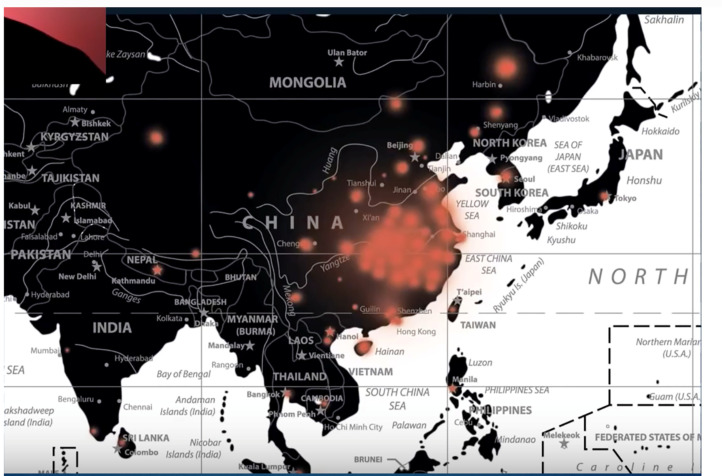
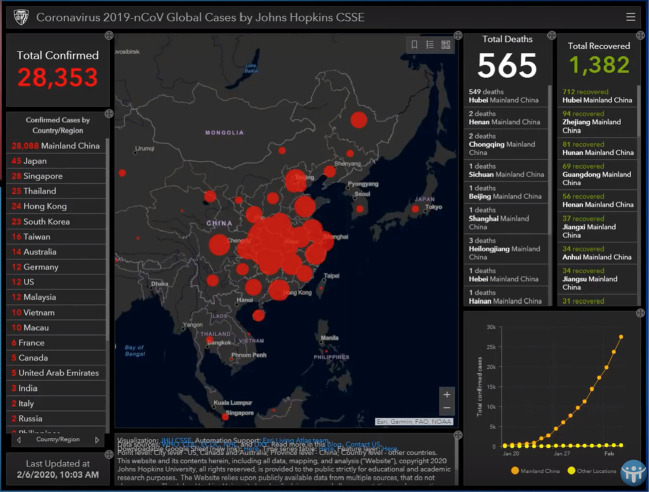
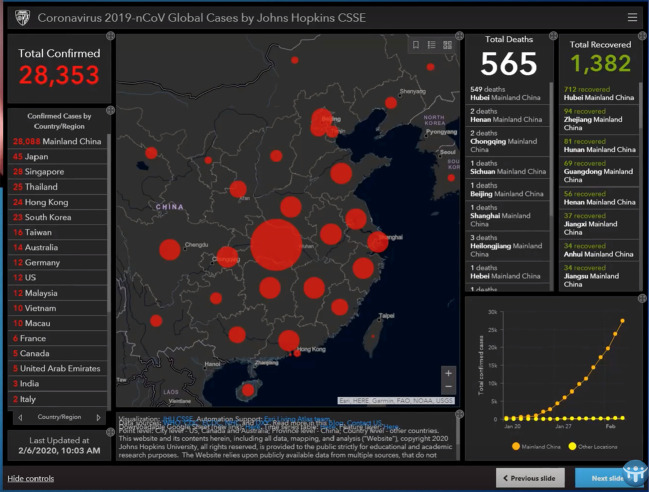
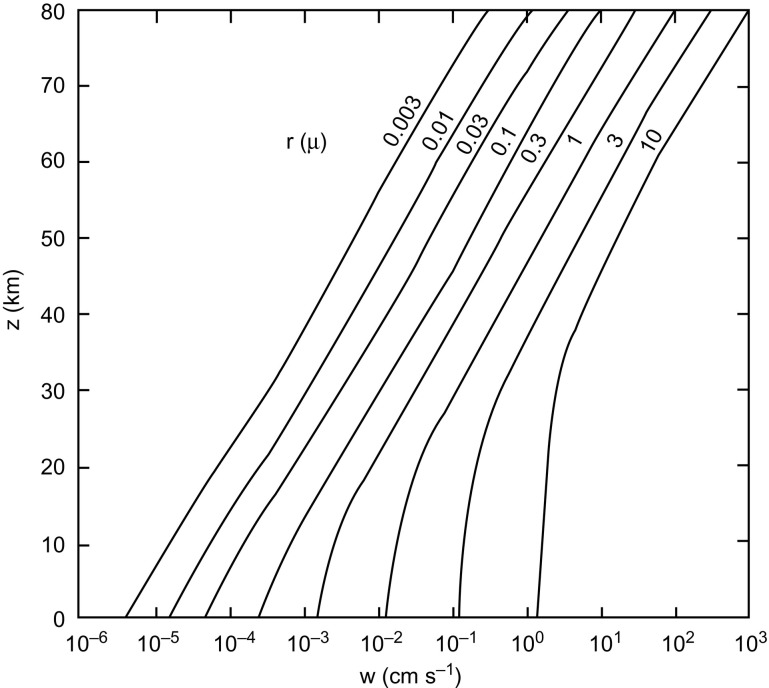
The origins and global spread of two recent, yet quite different, pandemic diseases is discussed and reviewed in depth: Candida auris, a eukaryotic fungal disease, and COVID-19 (SARS-CoV-2), a positive strand RNA viral respiratory disease. Both these diseases display highly distinctive patterns of sudden emergence and global spread, which are not easy to understand by conventional epidemiological analysis based on simple infection-driven human- to-human spread of an infectious disease (assumed to jump suddenly and thus genetically, from an animal reservoir). Both these enigmatic diseases make sense however under a Panspermia in-fall model and the evidence consistent with such a model is critically reviewed.
本文深入探讨并回顾了两种最近发生的、截然不同的大流行病的起源和全球传播:耳念珠菌,一种真核真菌疾病,以及 COVID-19(SARS-CoV-2),一种正链 RNA 病毒性呼吸道疾病。这两种疾病都表现出突然出现和全球传播的高度独特模式,这很难用基于传染病简单的感染驱动的人际传播的传统流行病学分析来理解(假设突然跳跃,因此从动物宿主遗传上跳跃)。然而,在生源说的下落模型下,这两种神秘疾病都有意义,并且批判性地回顾了与该模型一致的证据。