Ferrara Assiamira
Division of Research, Kaiser Permanente Northern California, Oakland CA
Diabetes Care. 2020 Nov;43(11):2635-2642. doi: 10.2337/dci19-0040.
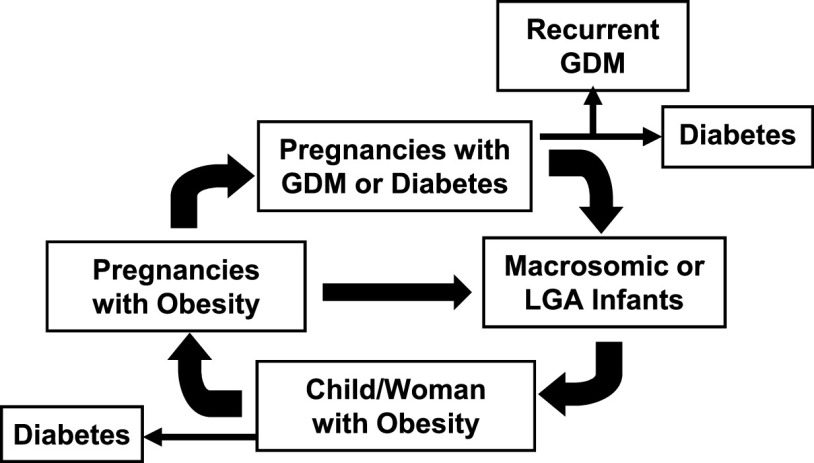
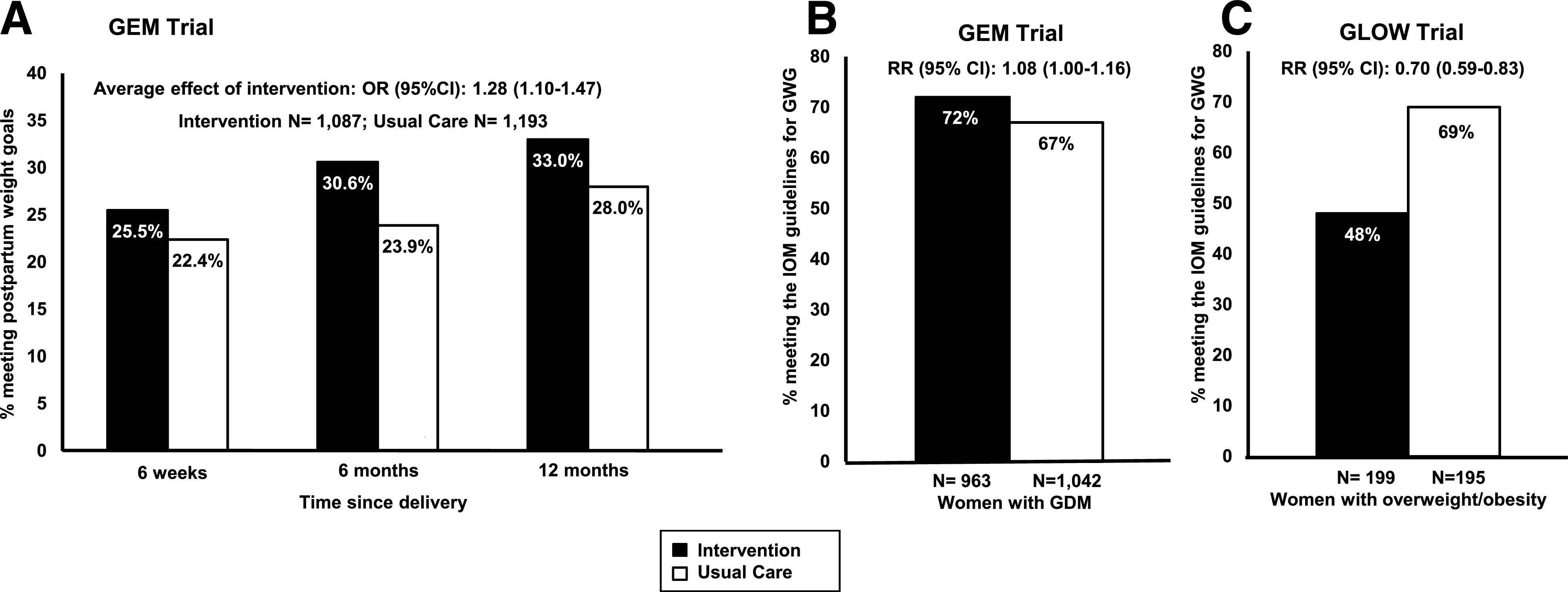
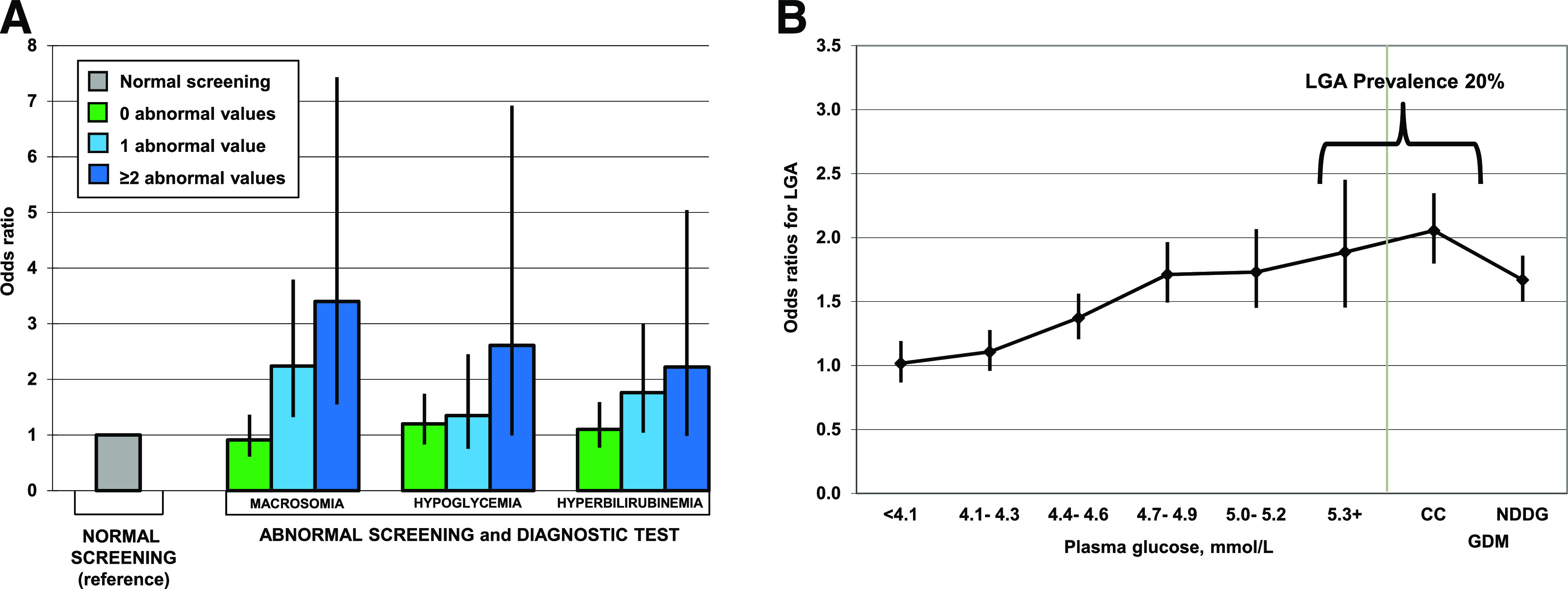
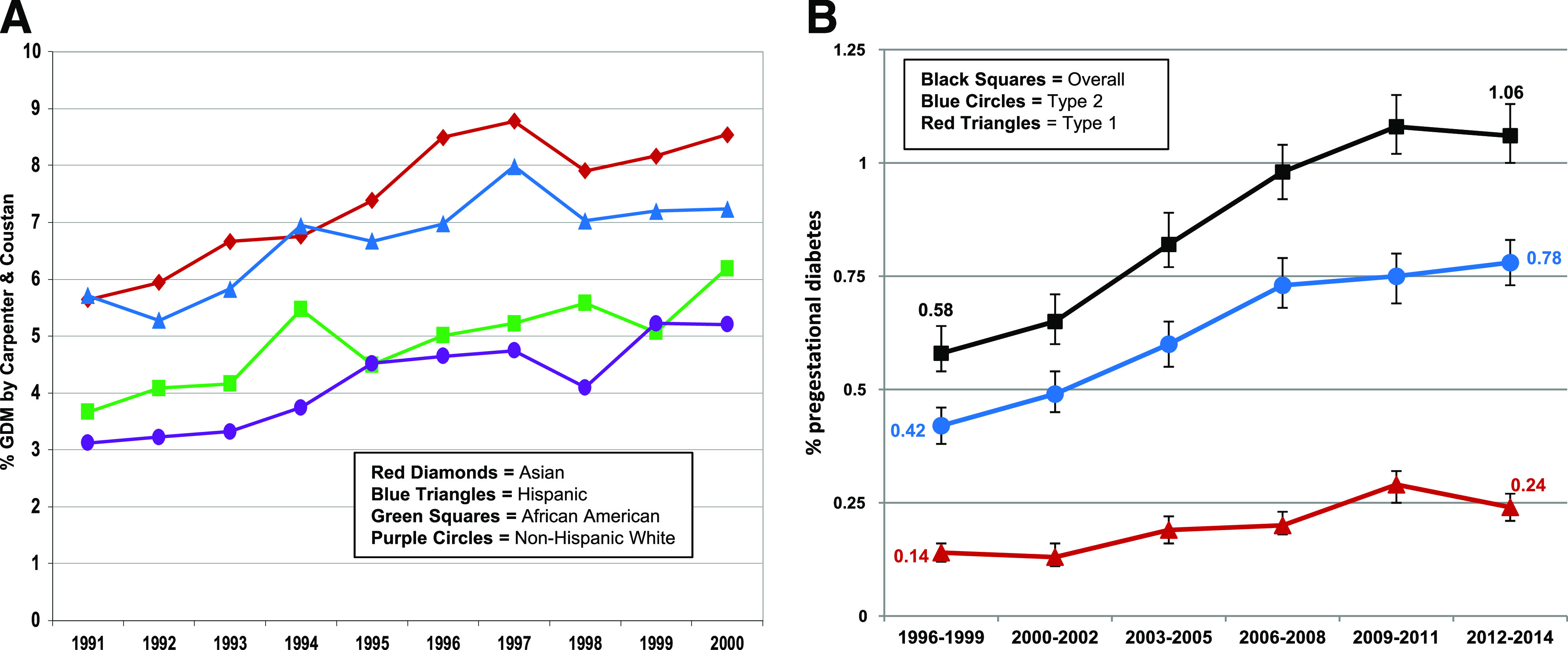
Epidemiological studies on the intergenerational transmission of hyperglycemia and obesity via in utero exposure have established the scientific foundation for the vicious cycle of diabetes and obesity. The findings compel us to address an urgent public health question: how do we break this vicious cycle and implement upstream prevention strategies that are feasible for patients and health care delivery systems? To address this question, it is necessary to work across a continuum of translational research from basic science, epidemiology, and efficacy trials to pragmatic trials, which, along with evaluations of health programs, may lead to implementation of positive changes in clinical care. Three strategies for translating research on diabetes and obesity in pregnancy into prevention are discussed: ) identifying diagnostic criteria of gestational diabetes mellitus (GDM) practicable in clinical settings to implement treatment and prevention, ) examining trends in the prevalence of diabetes in pregnancy and related complications across racial/ethnic groups to plan prevention efforts, and ) developing and evaluating scalable upstream diabetes and obesity prevention interventions. Upstream preventive interventions aimed at breaking the vicious cycle are discussed. Areas of future research needed to break the vicious cycle are identified. Evaluating the effectiveness of programs for the management of pregnancy hyperglycemia is necessary to reduce complications. Understanding racial/ethnic differences in the pathophysiology of GDM and its complications will be important for risk stratification. Pragmatic trials in real-world clinical settings for upstream prevention are needed to break the vicious cycle at the population level. Finally, leveraging basic science with intergenerational studies will inform targeted interventions.
关于高血糖和肥胖通过子宫内暴露进行代际传播的流行病学研究,为糖尿病和肥胖的恶性循环奠定了科学基础。这些研究结果促使我们去解决一个紧迫的公共卫生问题:我们如何打破这个恶性循环,并实施对患者和医疗保健系统可行的上游预防策略?为了解决这个问题,有必要在从基础科学、流行病学、疗效试验到实用试验的一系列转化研究中开展工作,这些研究连同健康项目评估,可能会导致临床护理方面的积极改变得以实施。本文讨论了将孕期糖尿病和肥胖研究转化为预防措施的三种策略:(1)确定在临床环境中可行的妊娠期糖尿病(GDM)诊断标准,以实施治疗和预防;(2)研究不同种族/族裔群体中孕期糖尿病及相关并发症患病率的趋势,以规划预防工作;(3)开发和评估可扩展的上游糖尿病和肥胖预防干预措施。文中讨论了旨在打破恶性循环的上游预防干预措施。确定了打破恶性循环所需的未来研究领域。评估妊娠高血糖管理项目的有效性对于减少并发症是必要的。了解GDM及其并发症病理生理学中的种族/族裔差异对于风险分层很重要。需要在现实世界临床环境中进行上游预防的实用试验,以在人群层面打破恶性循环。最后,将基础科学与代际研究相结合将为有针对性的干预措施提供信息。