Gowen Blake H, Reyes Michael V, Joseph Leroy C, Morrow John P
Department of Medicine, College of Physicians and Surgeons of Columbia University, New York, NY 10032, USA.
Antioxidants (Basel). 2020 Oct 19;9(10):1012. doi: 10.3390/antiox9101012.
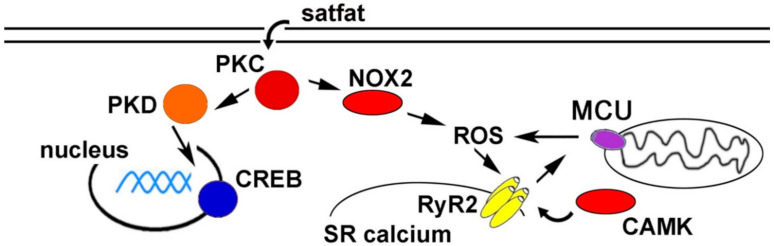
Cardiac arrhythmias are responsible for many cardiovascular disease-related deaths worldwide. While arrhythmia pathogenesis is complex, there is increasing evidence for metabolic causes. Obesity, diabetes, and chronically consuming high-fat foods significantly increase the likelihood of developing arrhythmias. Although these correlations are well established, mechanistic explanations connecting a high-fat diet (HFD) to arrhythmogenesis are incomplete, although oxidative stress appears to be critical. This review investigates the metabolic changes that occur in obesity and after HFD. Potential therapies to prevent or treat arrhythmias are discussed, including antioxidants.
心律失常是全球许多心血管疾病相关死亡的原因。虽然心律失常的发病机制很复杂,但越来越多的证据表明代谢因素与之相关。肥胖、糖尿病以及长期食用高脂肪食物会显著增加患心律失常的可能性。尽管这些关联已得到充分证实,但将高脂饮食(HFD)与心律失常发生联系起来的机制解释并不完整,不过氧化应激似乎至关重要。本综述探讨了肥胖和高脂饮食后发生的代谢变化。还讨论了预防或治疗心律失常的潜在疗法,包括抗氧化剂。