Fan Wei, Ren Mengmeng, Zhang Wenjie, Xiao Pengxiang, Zhong Yiping
Department of Psychology, School of Education Science, Hunan Normal University, Changsha 410081, China1.
Cognition and Human Behavior Key Laboratory of Hunan Province, Hunan Normal University, Changsha, 410081, China2.
Adv Cogn Psychol. 2020 Jul 14;16(3):228-241. doi: 10.5709/acp-0299-3. eCollection 2020.
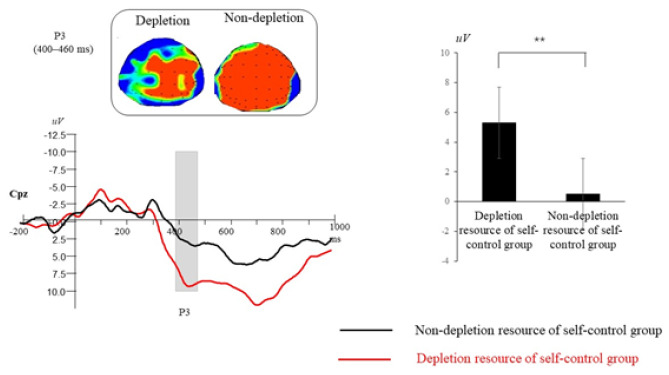
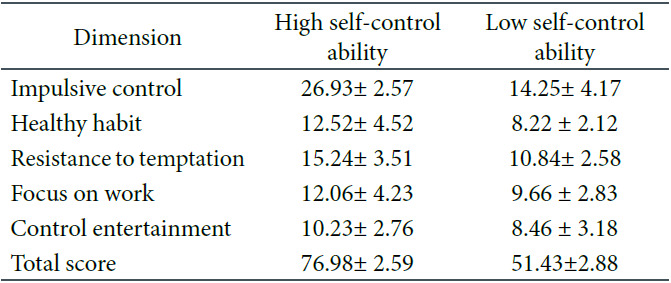
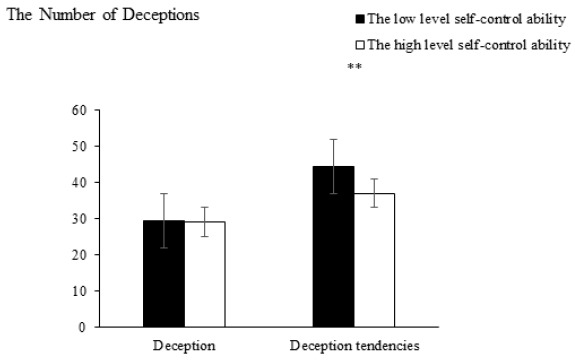
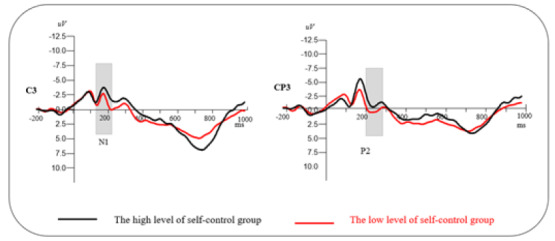
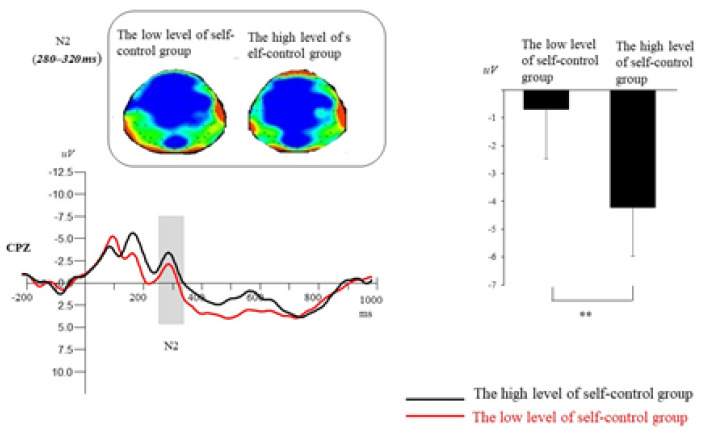
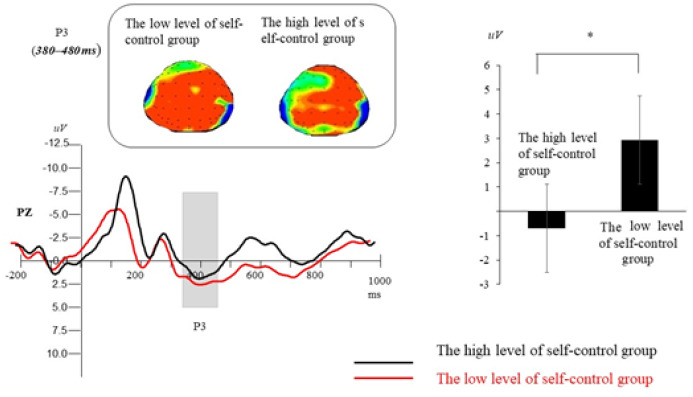
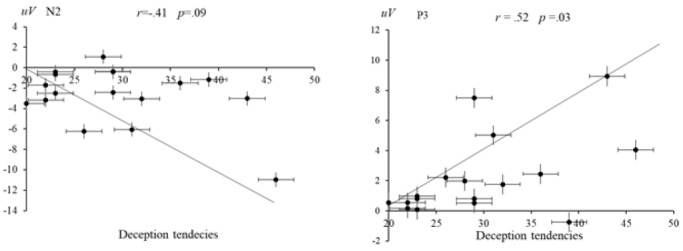
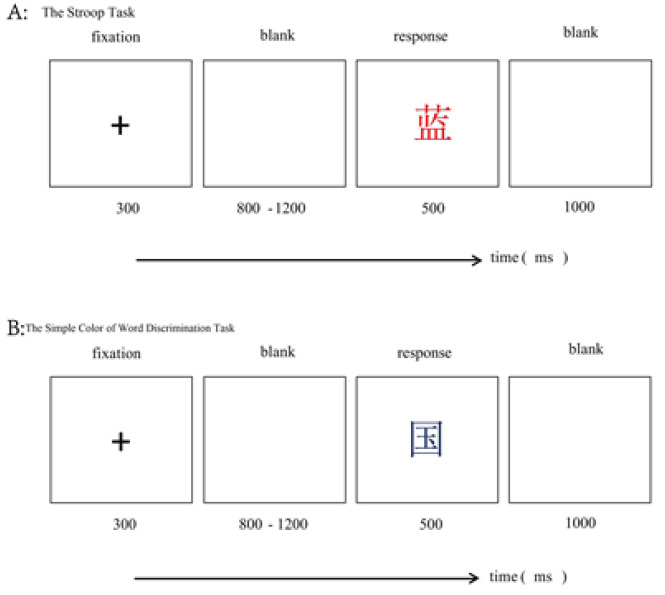
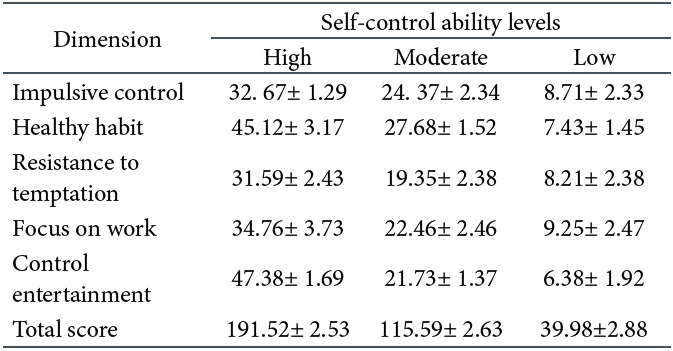
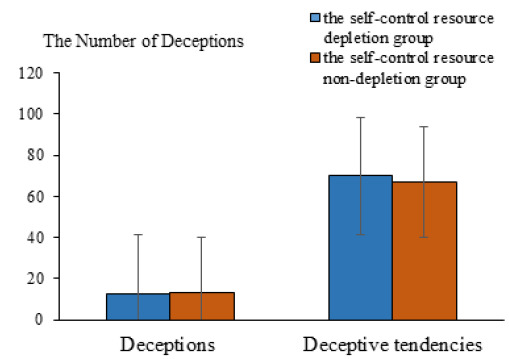
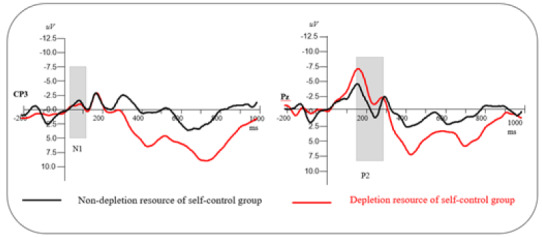
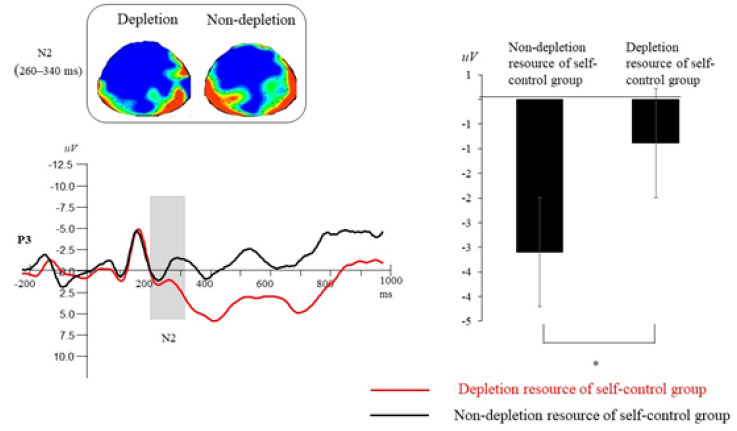
The self-control ability and self-control resources have a different influence on deception, but the cognition mechanism of this different influence has not been described yet. In this study, the event-related potentials (ERPs) technique was utilized to conduct two experiments exploring the effects of self-control ability and self-control resources on deception from two approaches. In Experiment 1, participants with different levels of self-control ability performed a visual perception task to measure deception and deception tendencies. The results revealed that individuals with low self-control ability exhibited more deceptive behaviors than did individuals with high self-control ability. Furthermore, individuals with high self-control ability evoked larger N2 and smaller P3 amplitudes than did individuals with low self-control ability. Experiment 2 involved selecting individuals with medium self-control ability. The Stroop task and a visual perception task were employed to investigate the influence of self-control resources on deception. The results showed that the depletion of self-control resources facilitated smaller N2 and larger P3 amplitudes than did non-depletion of self-control resources. In conclusion, these results suggest that individuals with high self-control ability are less likely to deceive others in order to obtain more benefits. When individuals have sufficient self-control resources, they resist temptation and reduce deception behaviors. Deception and deception tendencies may be more likely in people with low of self-control and whose self-control resources are depleted. In people with moderate self-control, deception was still regulated by self-depletion.
自我控制能力和自我控制资源对欺骗行为有不同影响,但其不同影响的认知机制尚未得到描述。在本研究中,采用事件相关电位(ERP)技术进行了两项实验,从两个角度探讨自我控制能力和自我控制资源对欺骗行为的影响。实验1中,具有不同自我控制能力水平的参与者执行视觉感知任务以测量欺骗行为和欺骗倾向。结果显示,自我控制能力低的个体比自我控制能力高的个体表现出更多的欺骗行为。此外,自我控制能力高的个体比自我控制能力低的个体诱发更大的N2波幅和更小的P3波幅。实验2选取了自我控制能力中等的个体,采用Stroop任务和视觉感知任务来研究自我控制资源对欺骗行为的影响。结果表明,自我控制资源耗竭比未耗竭时诱发更小的N2波幅和更大的P3波幅。总之,这些结果表明,自我控制能力高的个体为获取更多利益而欺骗他人的可能性较小。当个体拥有充足的自我控制资源时,他们会抵制诱惑并减少欺骗行为。自我控制能力低且自我控制资源耗竭的人可能更易出现欺骗行为和欺骗倾向。对于自我控制能力中等的人,欺骗行为仍受自我耗竭的调节。