Mao Ling, Zhou Ya, Chen Longqing, Hu Lin, Liu Shiming, Zheng Wen, Zhao Juanjuan, Guo Mengmeng, Chen Chao, He Zhixu, Xu Lin
Special Key Laboratory of Gene Detection & Therapy of Guizhou Province, Zunyi Medical University, Zunyi, 563003 Guizhou China.
Department of Immunology, Zunyi Medical University, Zunyi, 563003 Guizhou China.
Cell Biosci. 2020 Oct 19;10:121. doi: 10.1186/s13578-020-00484-2. eCollection 2020.
Acute lung injury (ALI) is a serious disease with highly morbidity and mortality that causes serious health problems worldwide. Atypical mitogen activated protein kinases (MAPKs) play critical roles in the development of tissues and have been proposed as promising therapeutic targets for various diseases. However, the potential role of atypical MAPKs in ALI remains elusive. In this study, we investigated the role of atypical MAPKs family member MAPK4 in ALI using LPS-induced murine ALI model.
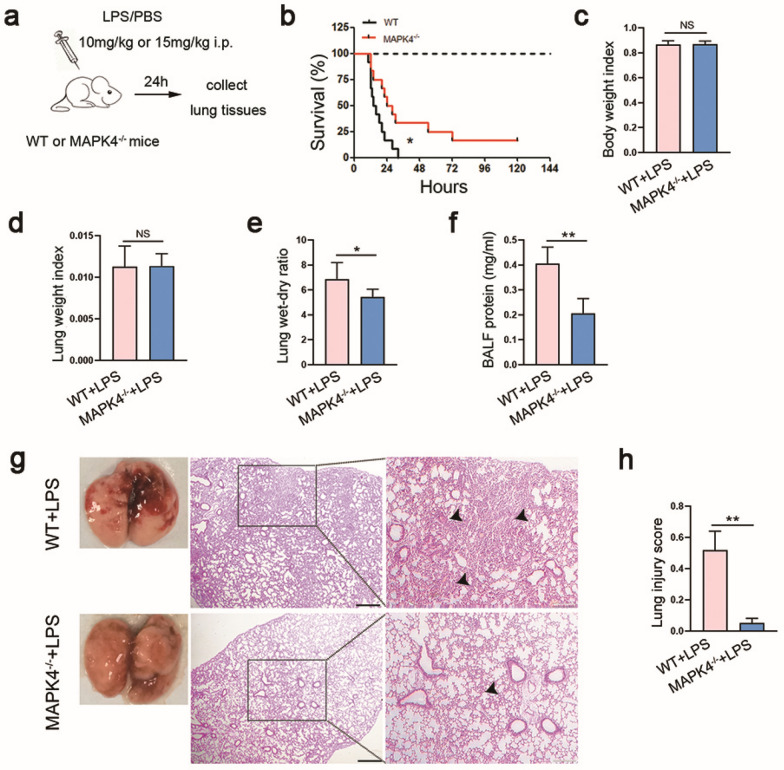
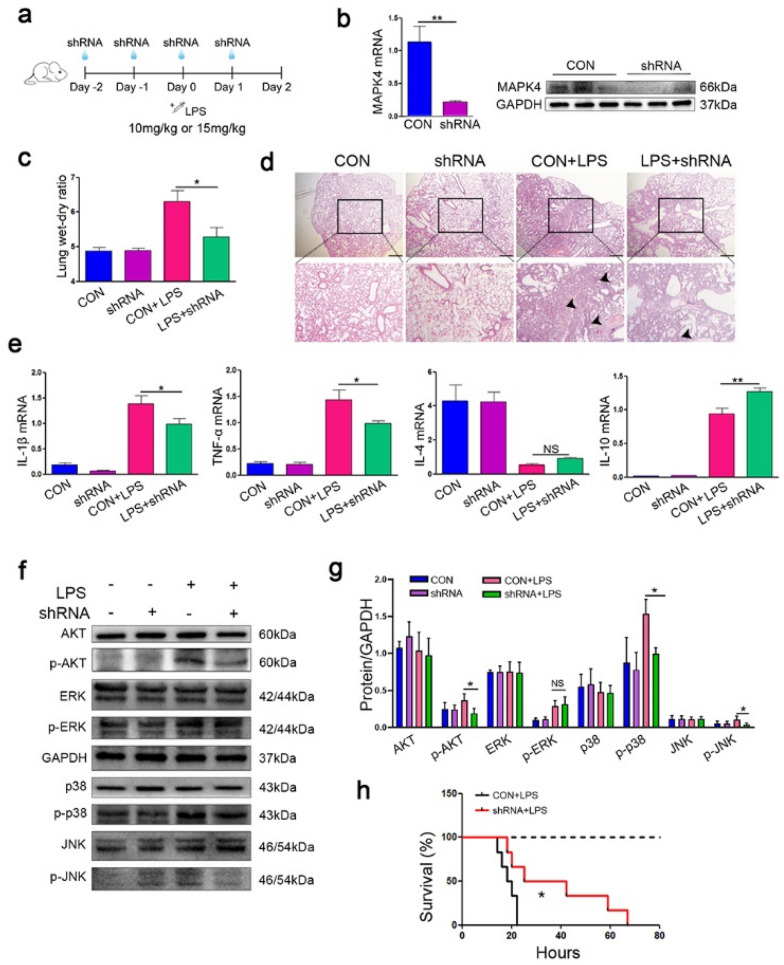
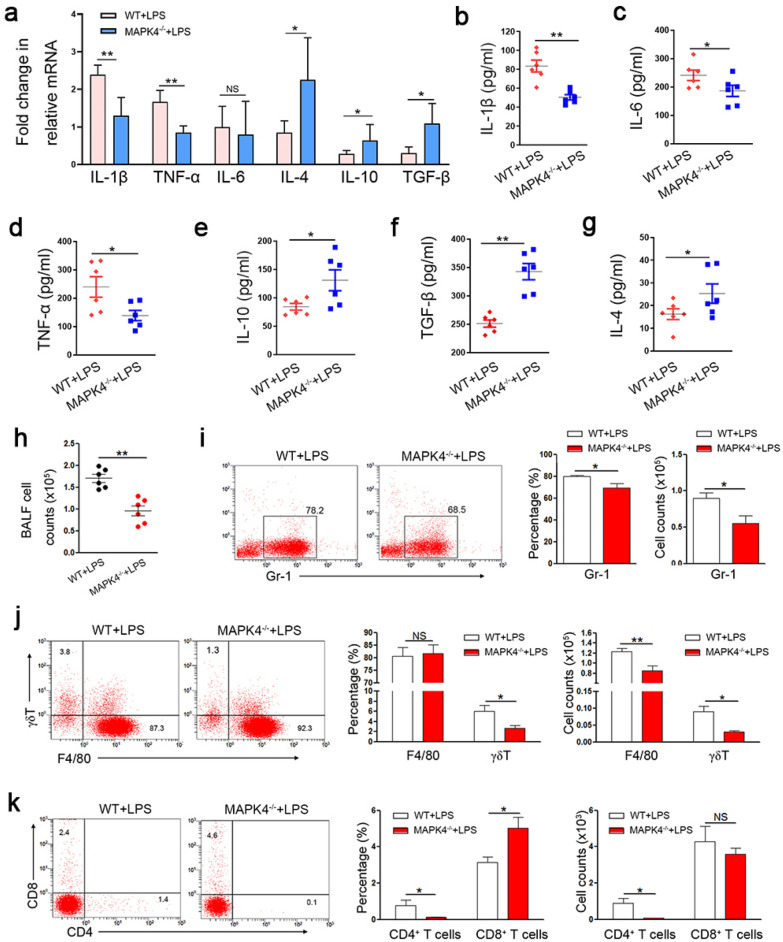
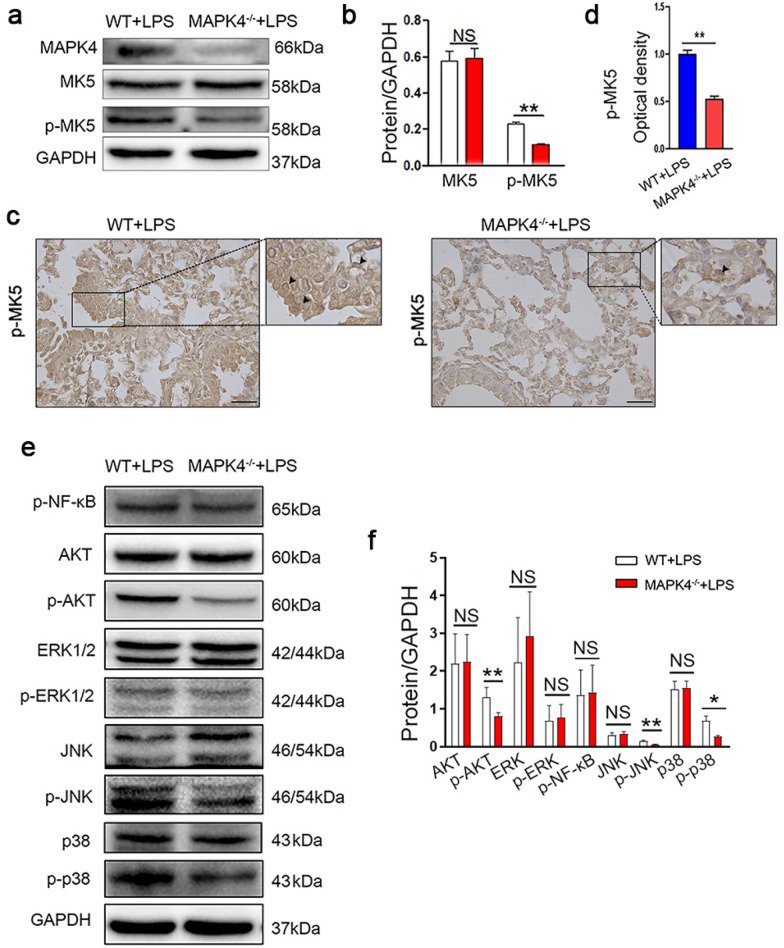
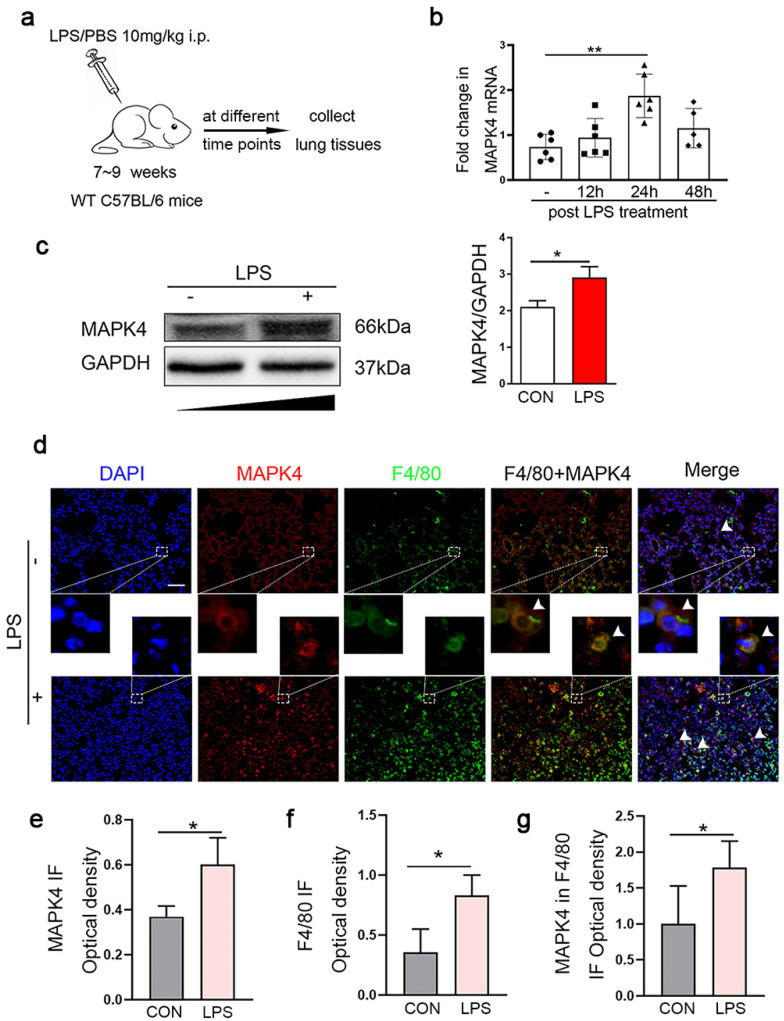
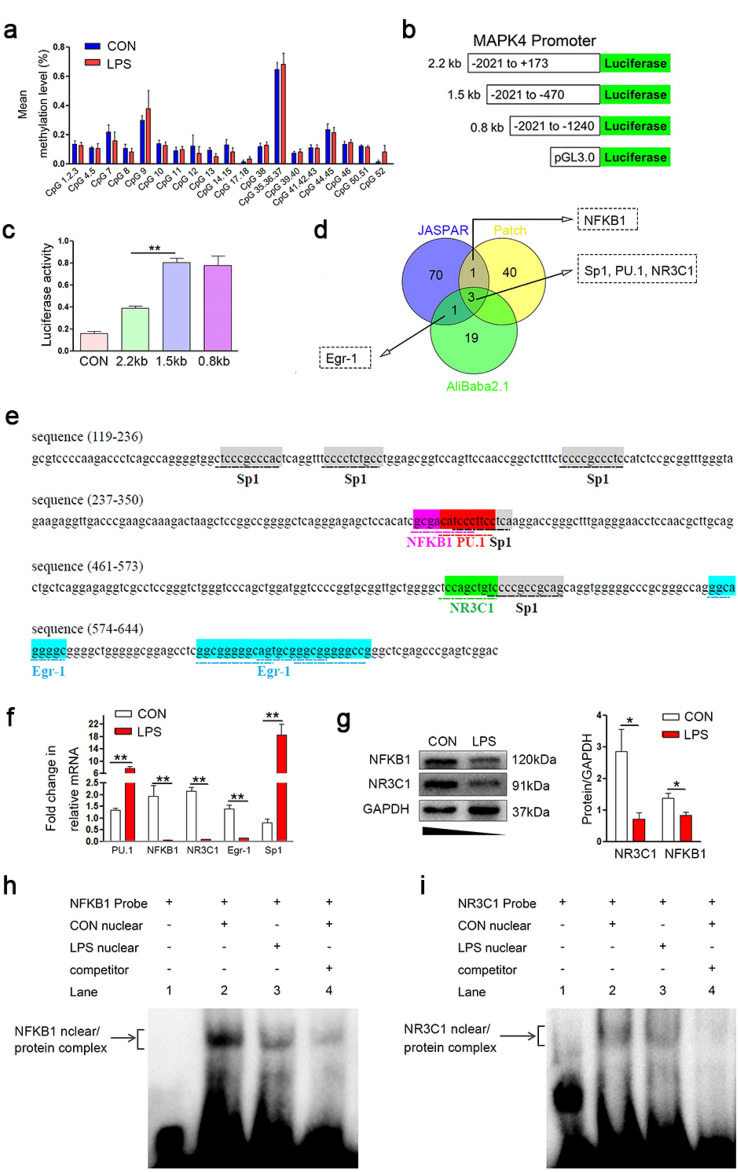
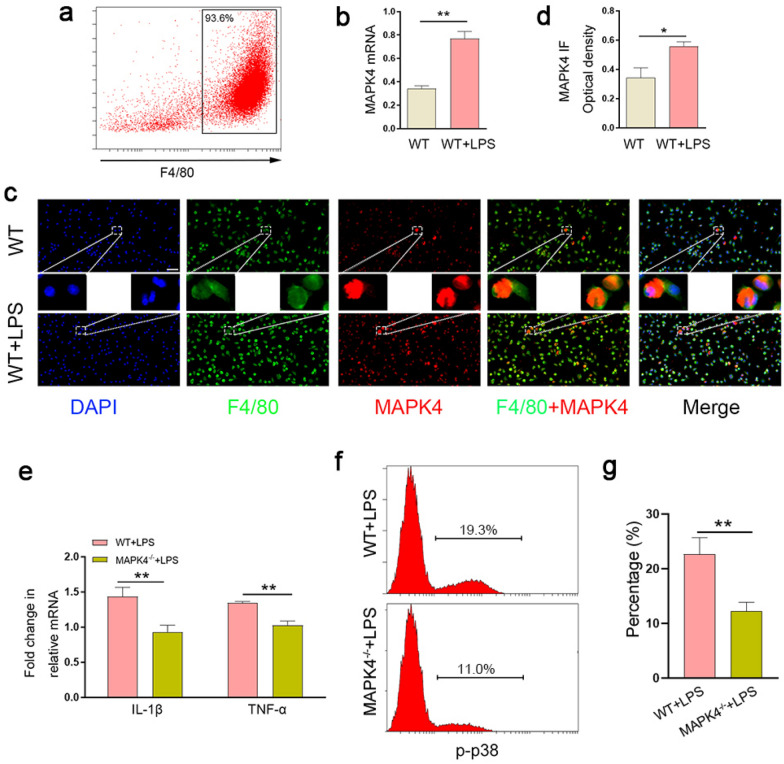
We found that MAPK4 deficiency mice exhibited prolonged survival time after LPS challenge, accompanied by alleviated pathology in lung tissues, decreased levels of pro-inflammatory cytokines and altered composition of immune cells in BALF. Furthermore, the transduction of related signaling pathways, including MK5, AKT, JNK, and p38 MAPK pathways, was reduced obviously in LPS-treated MAPK4 mice. Notably, the expression of MAPK4 was up-regulated in lung tissues of ALI model, which was not related with MAPK4 promoter methylation, but negatively orchestrated by transcriptional factors NFKB1 and NR3C1. Further studies have shown that the expression of MAPK4 was also increased in LPS-treated macrophages. Meanwhile, MAPK4 deficiency reduced the expression of related pro-inflammatory cytokines in macrophage in response to LPS treatment. Finally, MAPK4 knockdown using shRNA pre-treatment could ameliorate the pathology of lung tissues and prolong the survival time of mice after LPS challenge.
Collectively, these findings reveal an important biological function of atypical MAPK in mediating the pathology of ALI, indicating that MAPK4 might be a novel potential therapeutic target for ALI treatment.
急性肺损伤(ALI)是一种发病率和死亡率都很高的严重疾病,在全球范围内引发严重的健康问题。非典型丝裂原活化蛋白激酶(MAPKs)在组织发育中起关键作用,并已被提议作为各种疾病有前景的治疗靶点。然而,非典型MAPKs在ALI中的潜在作用仍不清楚。在本研究中,我们使用脂多糖(LPS)诱导的小鼠ALI模型研究了非典型MAPKs家族成员MAPK4在ALI中的作用。
我们发现,MAPK4缺陷小鼠在LPS攻击后存活时间延长,同时伴有肺组织病理变化减轻、促炎细胞因子水平降低以及支气管肺泡灌洗液(BALF)中免疫细胞组成改变。此外,在LPS处理的MAPK4基因敲除小鼠中,包括MK5、AKT、JNK和p38 MAPK途径在内的相关信号通路的转导明显减少。值得注意的是,ALI模型肺组织中MAPK4的表达上调,这与MAPK4启动子甲基化无关,而是由转录因子NFKB1和NR3C1负向调控。进一步研究表明,在LPS处理的巨噬细胞中MAPK4的表达也增加。同时,MAPK4缺陷降低了巨噬细胞中LPS处理后相关促炎细胞因子的表达。最后,使用短发夹RNA(shRNA)预处理敲低MAPK4可以改善肺组织病理并延长LPS攻击后小鼠的存活时间。
总的来说,这些发现揭示了非典型MAPK在介导ALI病理过程中的重要生物学功能,表明MAPK4可能是ALI治疗的一个新的潜在治疗靶点。