Jiang Menghui, Ye Jiayin, Wang Xuefeng, Li Na, Wang Ying, Shi Yufang
1School of Public Health, Qingdao University, Qingdao, China.
3Key Laboratory of Stem Cell Biology, Shanghai Institute of Nutrition and Health, Chinese Academy of Sciences, Shanghai, 200031 China.
Cell Biosci. 2020 May 14;10:65. doi: 10.1186/s13578-020-00428-w. eCollection 2020.
Mesenchymal stromal cells (MSCs) are multiple stromal cells existing in various tissues and have already been employed in animal models and clinical trials to treat immune disorders through potent immunosuppressive capacity. Our previous reports have suggested that MSC immunosuppression is not intrinsic but is acquired upon combined inflammatory cytokine treatment. However, the understanding of detailed molecular mechanisms involved in MSC immunomodulation remains incomplete.
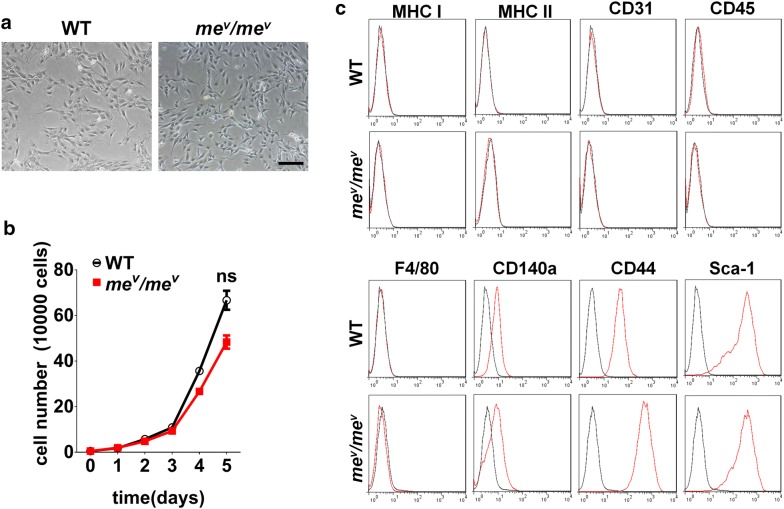
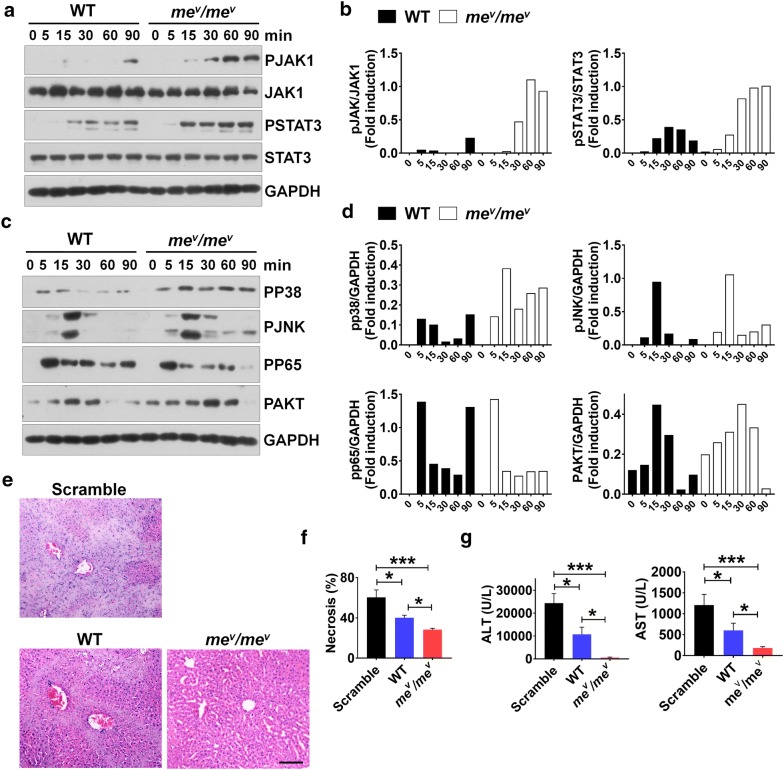
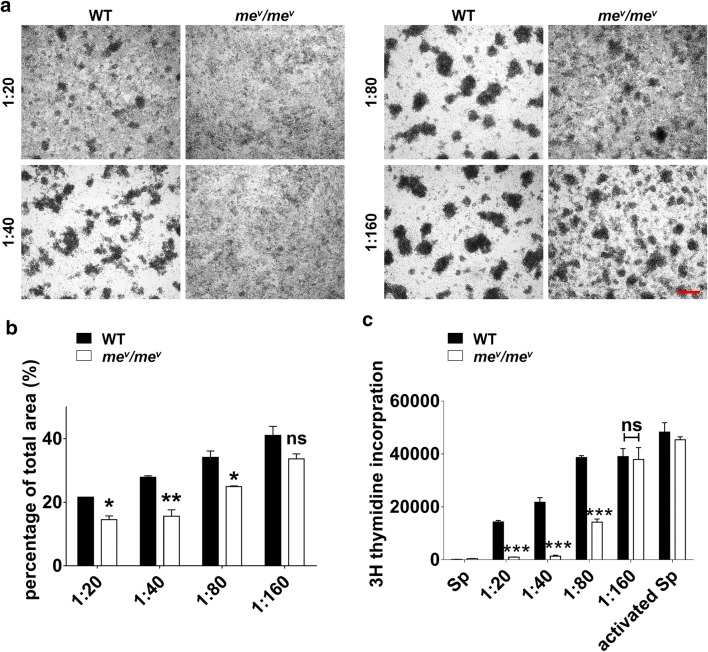
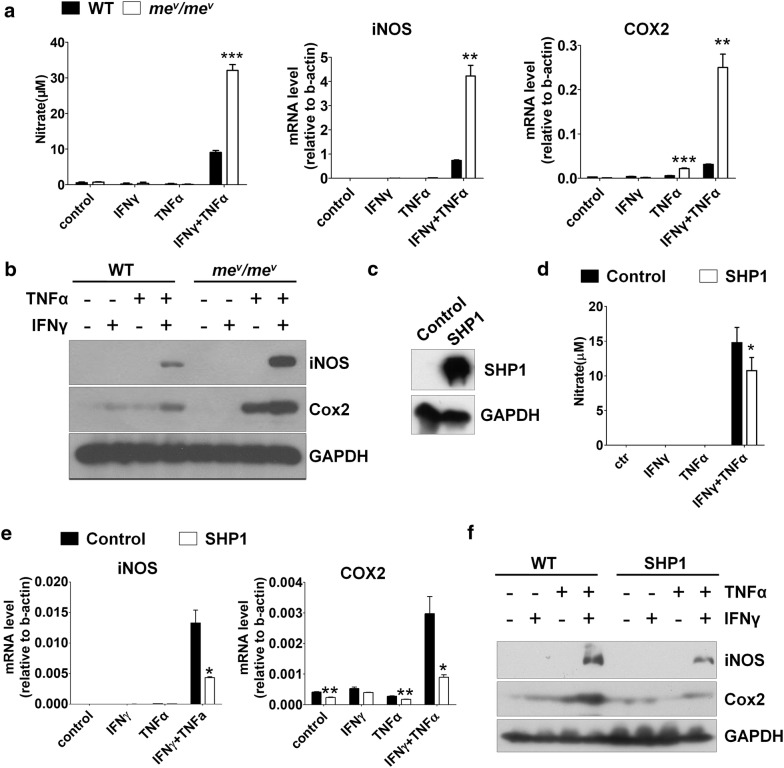
In the study, we report that MSCs derived from ( ) mice, with deficiency in SH2 domain-containing phosphatase-1 (SHP1), exhibited remarkable increased suppressive effect on activated splenocyte proliferation. Consistently, when MSCs were treated with combined inflammatory cytokines, SHP1-deficient MSCs produced dramatically more iNOS expression compared with wild-type MSCs. SHP1 was found to suppress the phosphorylation of JAK1/STAT3 and P38 signals. The classical animal model of concanavalin A (ConA)-induced liver injury was applied to examine the role of SHP1 in modulation MSC-therapeutic effect in vivo. Consistent with the results in vitro, SHP1-deficient MSCs exhibited dramatically more effective protection against ConA-induced hepatitis, compared to WT MSCs.
Taken together, our study reveals a possible role for SHP1 in modulation of MSC immunosuppression regulated by JAK1/STAT3 and P38 signals.
间充质基质细胞(MSCs)是存在于多种组织中的多种基质细胞,并且已经在动物模型和临床试验中用于通过强大的免疫抑制能力治疗免疫紊乱。我们之前的报告表明,MSC的免疫抑制不是内在的,而是在联合炎性细胞因子处理后获得的。然而,对MSC免疫调节所涉及的详细分子机制的理解仍然不完整。
在本研究中,我们报道来自( )小鼠的、含SH2结构域磷酸酶-1(SHP1)缺陷的MSCs对活化的脾细胞增殖表现出显著增强的抑制作用。一致地,当用联合炎性细胞因子处理MSCs时,与野生型MSCs相比,SHP1缺陷的MSCs产生显著更多的诱导型一氧化氮合酶(iNOS)表达。发现SHP1抑制JAK1/STAT3和P38信号的磷酸化。应用伴刀豆球蛋白A(ConA)诱导的肝损伤经典动物模型来检测SHP1在体内调节MSC治疗效果中的作用。与体外结果一致,与野生型MSCs相比,SHP1缺陷的MSCs对ConA诱导的肝炎表现出显著更有效的保护作用。
综上所述,我们的研究揭示了SHP1在由JAK1/STAT3和P38信号调节的MSC免疫抑制调节中的可能作用。