Zvobgo Luckson, Do Pierre
Climate System Analysis Group (CSAG), University of Cape Town, Rondebosch, 7701, Cape Town, South Africa.
Department of Hydraulic Engineering, State Key Laboratory of Hydroscience and Engineering, Tsinghua University, Beijing, 100084, China.
Water Res X. 2020 Dec 1;9:100074. doi: 10.1016/j.wroa.2020.100074. Epub 2020 Oct 16.
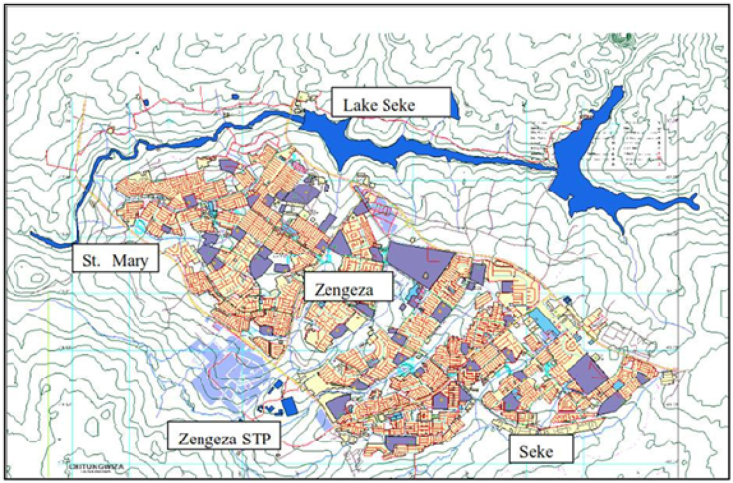
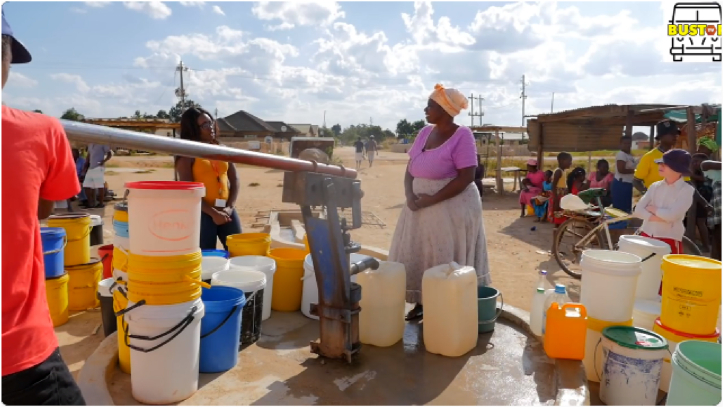
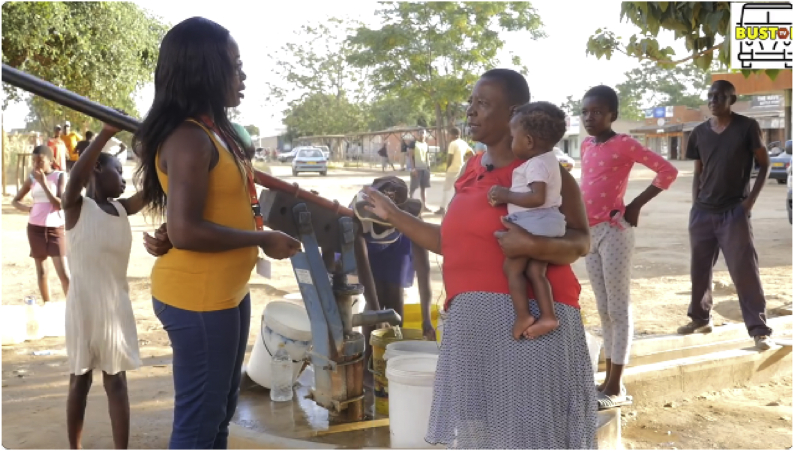
Billions of people living in developing countries lack access to safe drinking water, not to mention water for handwashing, one of the most effective ways to contain the fast spreading novel coronavirus (COVID -19). The recent global spread of COVID-19 has fostered diverse initiatives such as the 'Safe Hands' challenge led by the World Health Organization. Individuals are encouraged to regularly wash their hands for 40-60 s under running water with soap. This call for 'Safe Hands' comes at a time when water insecurity and limited access to handwashing facilities in Africa is heightened. In this article, Chitungwiza city in Zimbabwe is used as a case study to assess the implications of the 'Safe Hands' challenge for poor municipalities in developing countries and characterize the challenges they face. To do so, interviews were conducted at water points/boreholes used by residents during Zimbabwe's COVID-19 national lockdown. The calculation of water requirements for proper hand hygiene determined the capacity for water-stressed regions to effectively implement 'Safe Hands'. On average, it was established that one person consumes an extra 4.5 L per day of water when they practice WHO 'Safe Hands' in the context of COVID-19. This increases domestic water demand in Chitungwiza by 9%. Due to water scarcity, people in Chitungwiza were experiencing challenges with practicing 'Safe Hands'. With their 'dry taps' woes, they might not be able to meet the standards of this WHO challenge. Lack of soap also reduced the effectiveness of the 'Safe Hands' challenge. This paper proposes short- and long-term measures that would allow effective implementation of the 'Safe Hands' by means of sustainable potable water supply. These measures include extensive social awareness and temporary change of household water use behavior. Municipalities are recommended to establish public private partnerships (PPPs) to create immediate and long-term water investments. Structural and transformational reforms would enhance, through flexible planning, investments for both water infrastructure and governance. This narrative has the potential to improve the urban water systems resiliency against future pandemics.
数十亿生活在发展中国家的人无法获得安全的饮用水,更不用说用于洗手的水了,而洗手是遏制快速传播的新型冠状病毒(COVID-19)最有效的方法之一。近期COVID-19在全球的传播催生了各种倡议,比如世界卫生组织发起的“安全洗手”挑战。该倡议鼓励个人用肥皂在流动水下定期洗手40至60秒。在非洲,水资源不安全以及洗手设施有限的情况加剧之际,“安全洗手”的呼声响起。本文以津巴布韦的奇通圭扎市为例,评估“安全洗手”挑战对发展中国家贫困城市的影响,并描述它们所面临的挑战。为此,在津巴布韦COVID-19全国封锁期间,对居民使用的取水点/钻孔进行了访谈。通过计算正确洗手所需的水量,确定了水资源紧张地区有效实施“安全洗手”的能力。平均而言,研究发现,在COVID-19背景下,一个人按照世界卫生组织的“安全洗手”要求洗手时,每天会额外消耗4.5升水。这使得奇通圭扎的家庭用水需求增加了9%。由于水资源短缺,奇通圭扎的人们在践行“安全洗手”方面面临挑战。由于水龙头无水可用,他们可能无法达到世界卫生组织这一挑战的标准。肥皂的匮乏也降低了“安全洗手”挑战的效果。本文提出了短期和长期措施,通过可持续的饮用水供应有效实施“安全洗手”。这些措施包括广泛的社会宣传以及家庭用水行为的临时改变。建议各城市建立公私伙伴关系(PPP),以进行即时和长期的水资源投资。通过灵活规划,结构性和变革性改革将加强对水基础设施和治理的投资。这一思路有潜力提高城市供水系统应对未来疫情的复原力。