Department of Internal Medicine III (Cardiology, Angiology, Intensive Care), University Medical Center Kiel, Rosalind-Franklin Str. 12, 24105, Kiel, Germany.
Manipal Institute of Regenerative Medicine, MAHE-Bengaluru, Bangalore, India.
J Biomed Sci. 2020 Oct 24;27(1):98. doi: 10.1186/s12929-020-00689-0.
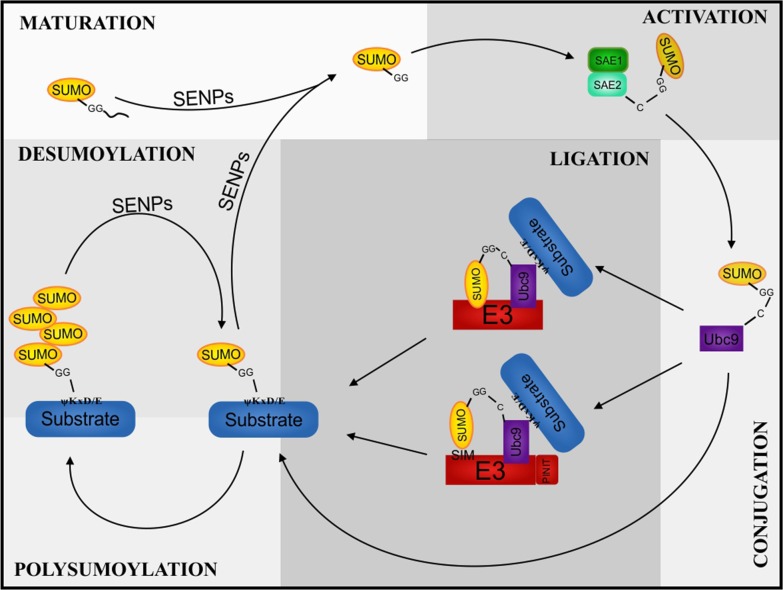
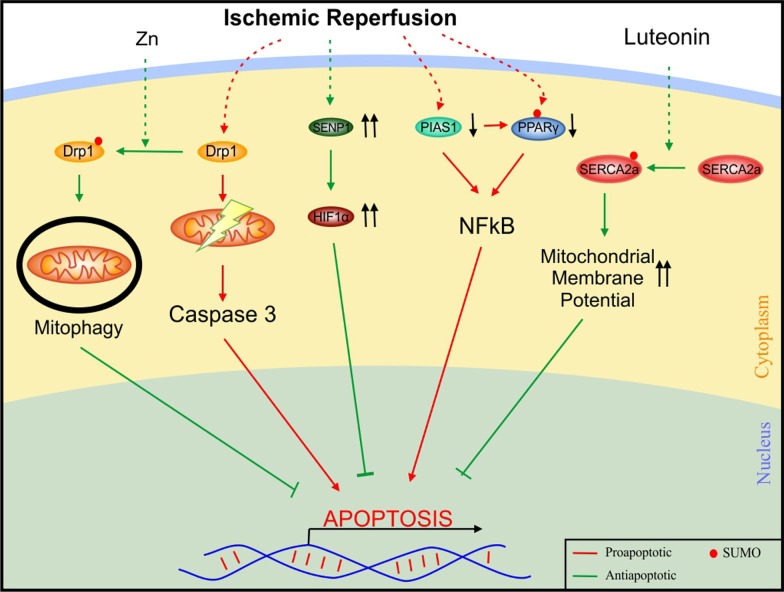
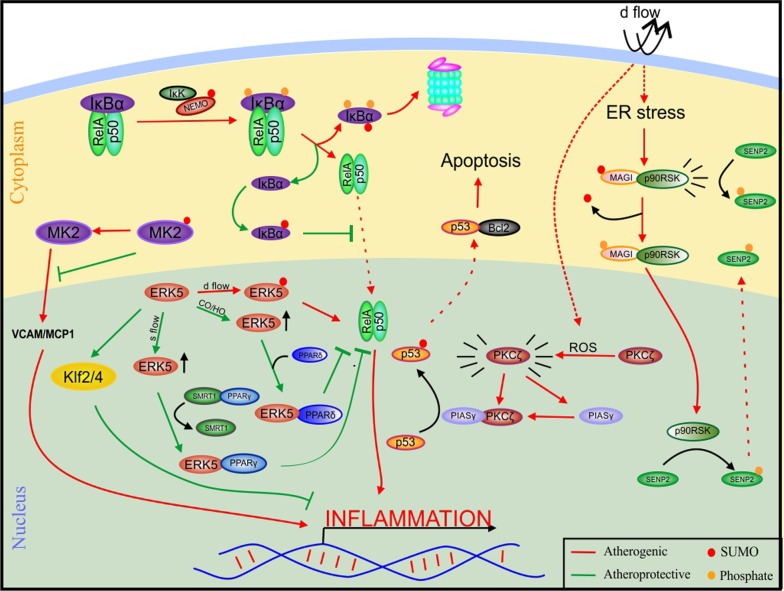
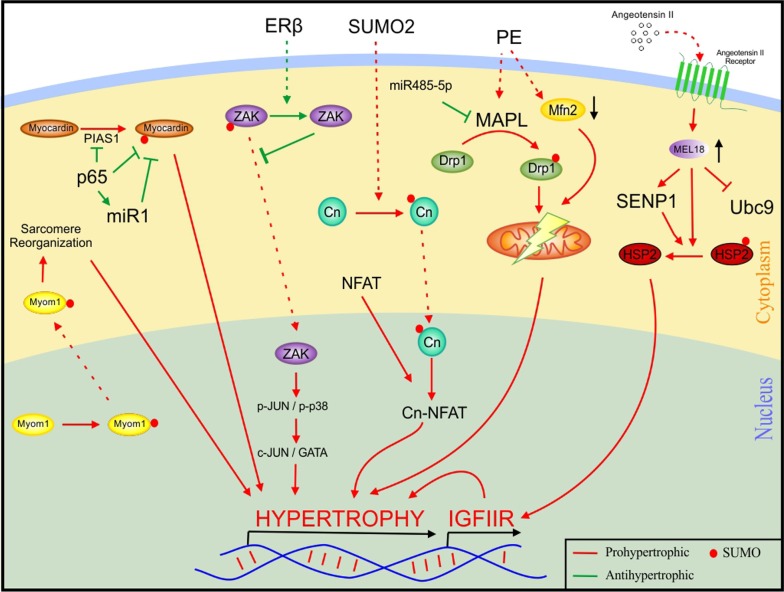
Post-translational modifications (PTMs) are crucial for the adaptation of various signalling pathways to ensure cellular homeostasis and proper adaptation to stress. PTM is a covalent addition of a small chemical functional group such as a phosphate group (phosphorylation), methyl group (methylation), or acetyl group (acetylation); lipids like hydrophobic isoprene polymers (isoprenylation); sugars such as a glycosyl group (glycosylation); or even small peptides such as ubiquitin (ubiquitination), SUMO (SUMOylation), NEDD8 (neddylation), etc. SUMO modification changes the function and/or fate of the protein especially under stress conditions, and the consequences of this conjugation can be appreciated from development to diverse disease processes. The impact of SUMOylation in disease has not been monotonous, rather SUMO is found playing a role on both sides of the coin either facilitating or impeding disease progression. Several recent studies have implicated SUMO proteins as key regulators in various cardiovascular disorders. The focus of this review is thus to summarize the current knowledge on the role of the SUMO family in the pathophysiology of cardiovascular diseases.
翻译后修饰(PTMs)对于各种信号通路的适应性至关重要,以确保细胞内稳态和对压力的适当适应。PTM是一种小分子化学官能团的共价添加,如磷酸基团(磷酸化)、甲基基团(甲基化)或乙酰基团(乙酰化);脂质如疏水性异戊二烯聚合物(异戊二烯化);糖类如糖基(糖基化);甚至小肽如泛素(泛素化)、SUMO(SUMO化)、NEDD8(NEDD化)等。SUMO修饰尤其在应激条件下改变蛋白质的功能和/或命运,这种缀合的后果可以从发育到各种疾病过程中得到体现。SUMO化在疾病中的影响并非单一的,相反,SUMO在促进或阻碍疾病进展的两面都发挥作用。最近的几项研究表明SUMO蛋白是各种心血管疾病的关键调节因子。因此,本综述的重点是总结目前关于SUMO家族在心血管疾病病理生理学中作用的知识。