School of Ophthalmology and Optometry, Eye Hospital, Wenzhou Medical University, Wenzhou, Zhejiang, China.
State Key Laboratory of Ophthalmology, Zhongshan Ophthalmic Center, Sun Yat-Sen University, Guangzhou, China.
Aging (Albany NY). 2020 Oct 26;12(20):20254-20267. doi: 10.18632/aging.103779.
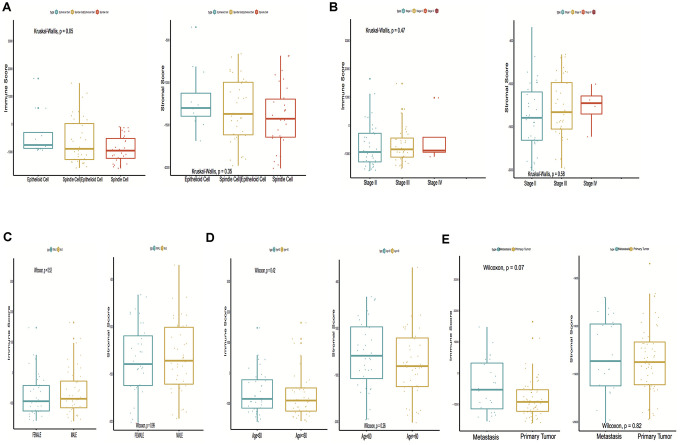
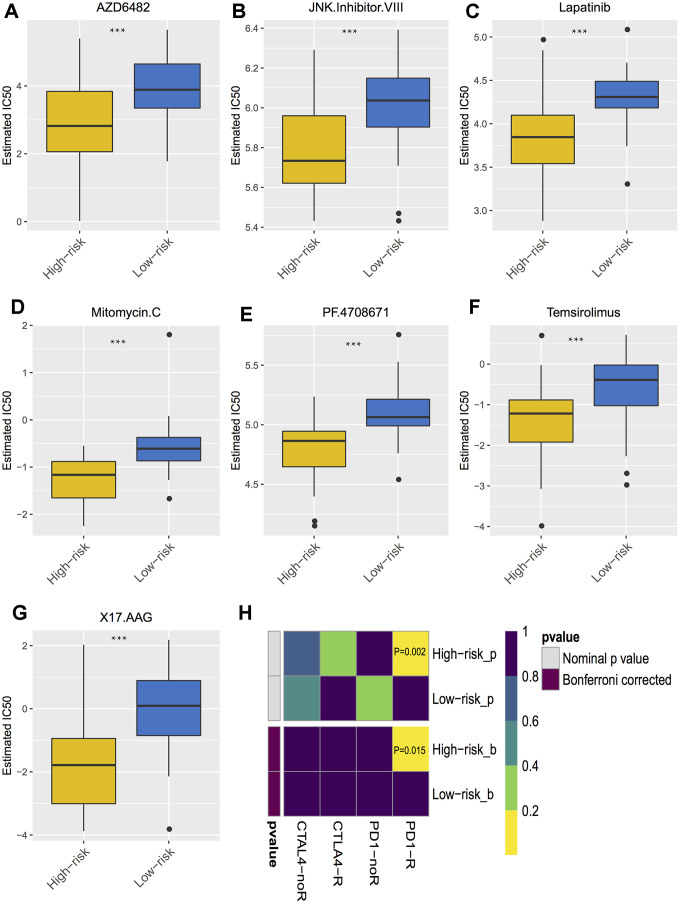
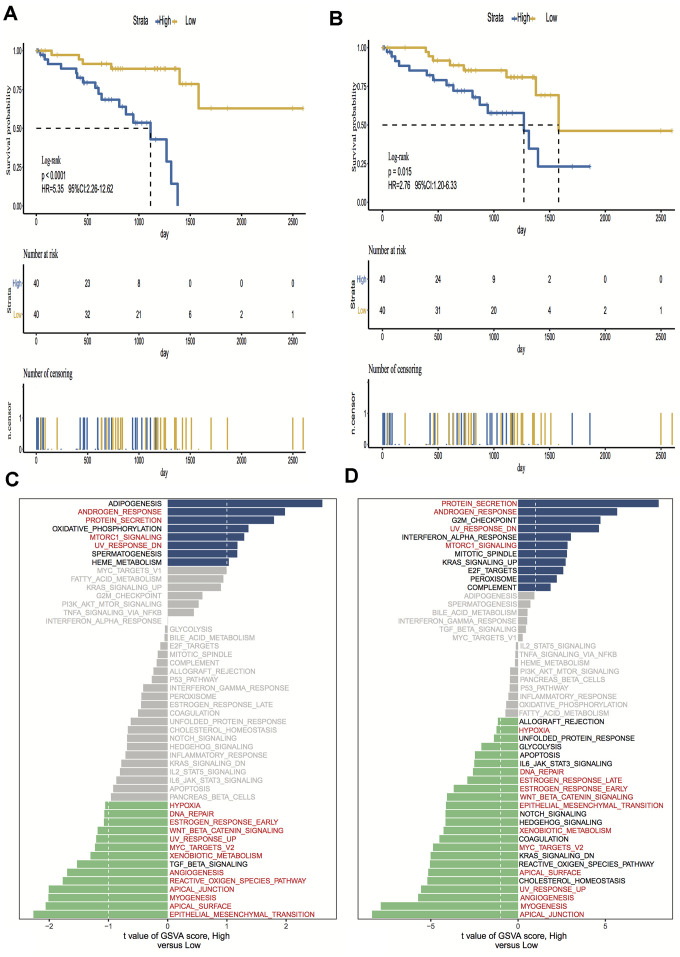
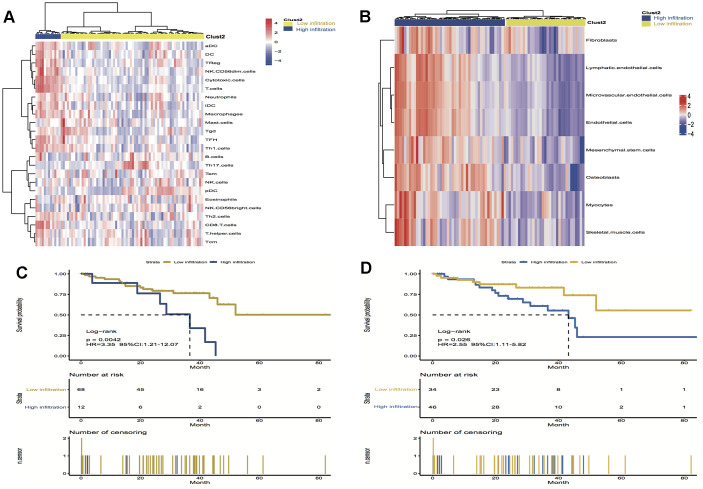
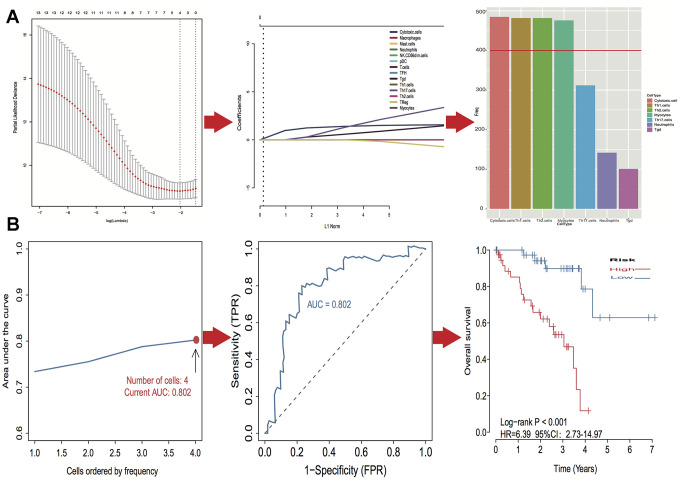
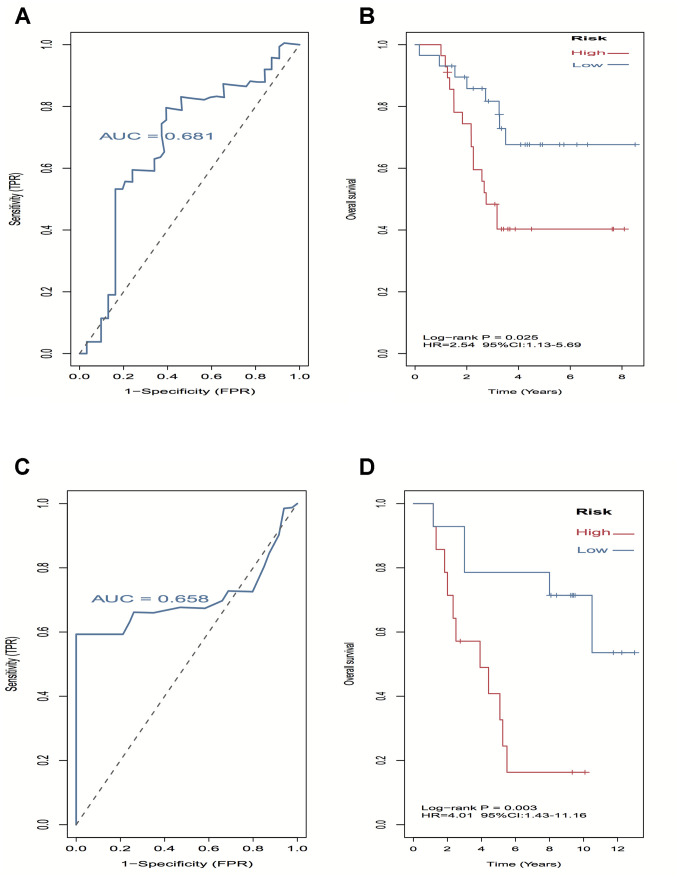
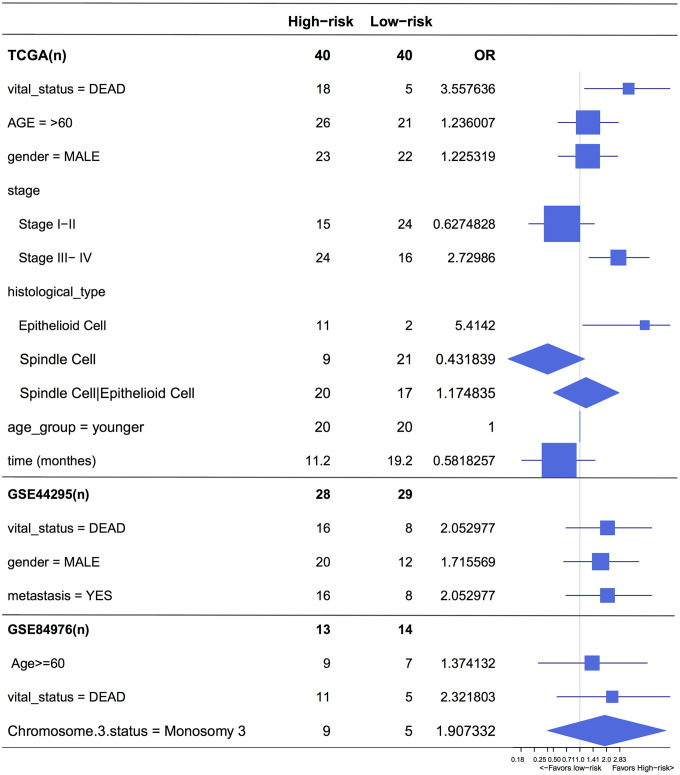
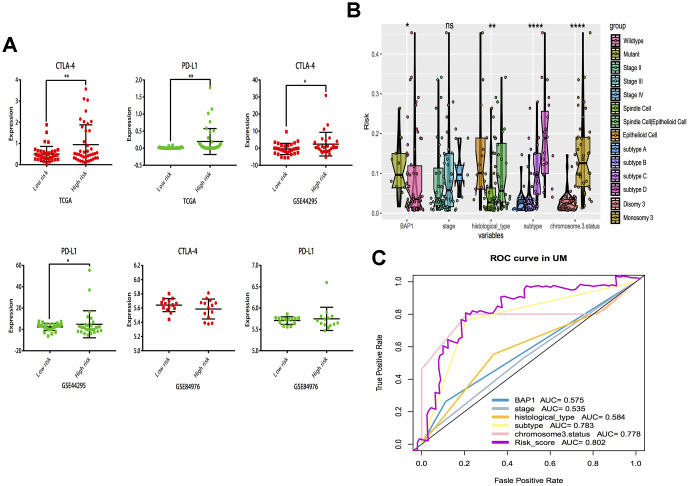
The tumor microenvironment is known to play an important role in uveal melanoma. Reliable prognostic signatures are needed to aid high risk patients and improve prognosis. Uveal melanoma tissues from three public datasets were analyzed. RNA sequence data of uveal melanoma and corresponding clinical features were obtained from The Cancer Genome Atlas database. Immune and stromal scores were calculated by applying the "ESTIMATE" algorithm. The samples were divided into high and low immune or stromal score groups. We constructed prognostic models by using the 'lasso' package and tested them for 500 iterations. The cell signature was validated in another GSE44295 and GSE84976 datasets. We found that the median survival time of the low immune/stromal score group is longer than that of the high-score group. Thirteen immune cells and one stromal cell were concerned significant in predicting poor overall survival rate. Finally, a four-cell model was identified. Further validation revealed that the low-risk group has a significantly better survival than the high-risk group in another two datasets ( < 0.05). Moreover, the high-risk group is more sensitive to immunotherapy and chemotherapy. Summarizing, the proposed immune cells signature is a promising biomarker for estimating overall survival in uveal melanoma.
肿瘤微环境被认为在葡萄膜黑色素瘤中起着重要作用。需要可靠的预后标志物来辅助高危患者并改善预后。分析了来自三个公共数据集的葡萄膜黑色素瘤组织。从癌症基因组图谱数据库获得了葡萄膜黑色素瘤的 RNA 序列数据和相应的临床特征。通过应用“ESTIMATE”算法计算免疫和基质评分。将样本分为高免疫或基质评分组和低免疫或基质评分组。我们使用 'lasso' 包构建了预后模型,并进行了 500 次迭代测试。在另一个 GSE44295 和 GSE84976 数据集中验证了细胞特征。我们发现低免疫/基质评分组的中位生存时间长于高评分组。有 13 种免疫细胞和 1 种基质细胞与预测不良总生存率显著相关。最后,确定了一个四细胞模型。进一步验证表明,低危组在另外两个数据集(<0.05)中的生存率明显高于高危组。此外,高危组对免疫疗法和化学疗法更敏感。总之,所提出的免疫细胞特征是估计葡萄膜黑色素瘤总生存率的有前途的生物标志物。