Njuguna Rebecca G, Berkley James A, Jemutai Julie
KEMRI-Wellcome Trust Research Programme, Kilifi, Kenya.
Department of Public Health, School of Health and Human Sciences, Pwani University, Kilifi, Kenya.
Wellcome Open Res. 2020 Oct 5;5:62. doi: 10.12688/wellcomeopenres.15781.2. eCollection 2020.
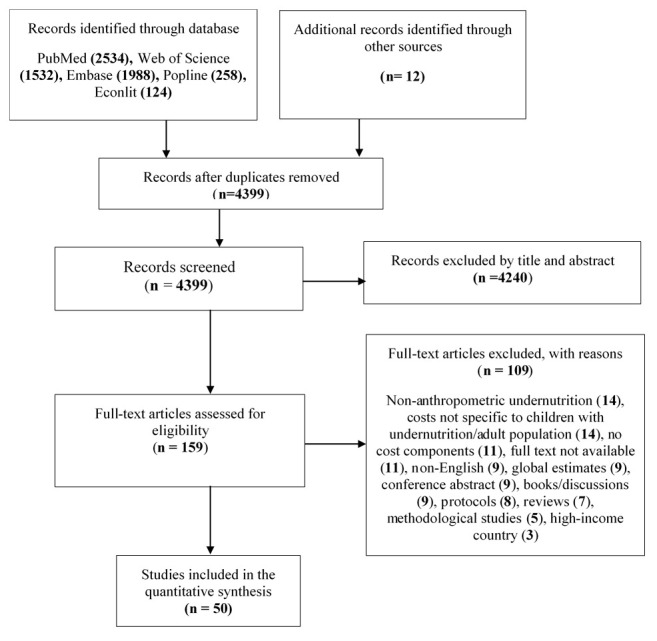
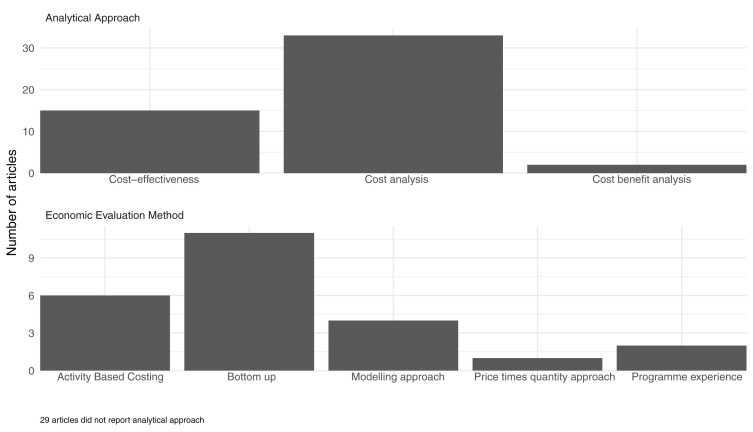
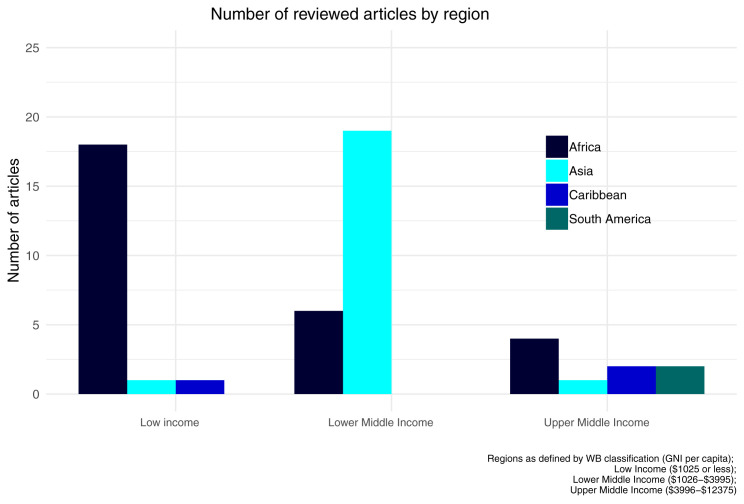
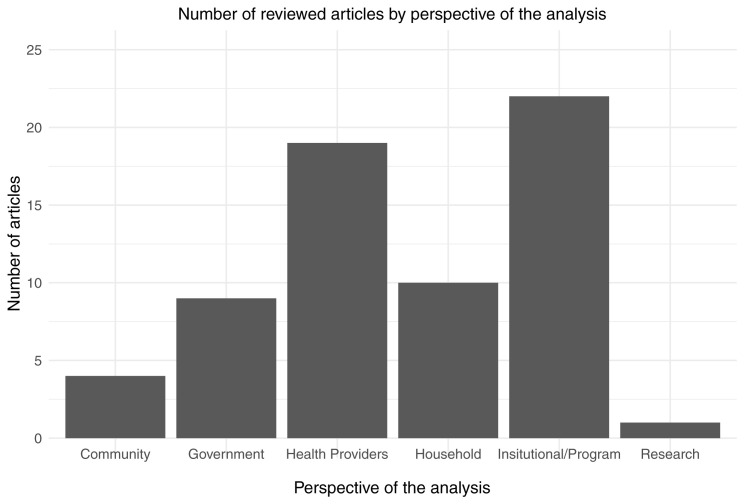
: Undernutrition remains highly prevalent in low- and middle-income countries, with sub-Saharan Africa and Southern Asia accounting for majority of the cases. Apart from the health and human capacity impacts on children affected by malnutrition, there are significant economic impacts to households and service providers. The aim of this study was to determine the current state of knowledge on costs and cost-effectiveness of child undernutrition treatment to households, health providers, organizations and governments in low and middle-income countries (LMICs). We conducted a systematic review of peer-reviewed studies in LMICs up to September 2019. We searched online databases including PubMed-Medline, Embase, Popline, Econlit and Web of Science. We identified additional articles through bibliographic citation searches. Only articles including costs of child undernutrition treatment were included. We identified a total of 6436 articles, and only 50 met the eligibility criteria. Most included studies adopted institutional/program (45%) and health provider (38%) perspectives. The studies varied in the interventions studied and costing methods used with treatment costs reported ranging between US$0.44 and US$1344 per child. The main cost drivers were personnel, therapeutic food and productivity loss. We also assessed the cost effectiveness of community-based management of malnutrition programs (CMAM). Cost per disability adjusted life year (DALY) averted for a CMAM program integrated into existing health services in Malawi was $42. Overall, cost per DALY averted for CMAM ranged between US$26 and US$53, which was much lower than facility-based management (US$1344). : There is a need to assess the burden of direct and indirect costs of child undernutrition to households and communities in order to plan, identify cost-effective solutions and address issues of cost that may limit delivery, uptake and effectiveness. Standardized methods and reporting in economic evaluations would facilitate interpretation and provide a means for comparing costs and cost-effectiveness of interventions.
营养不良在低收入和中等收入国家仍然非常普遍,撒哈拉以南非洲和南亚占此类情况的大多数。除了对受营养不良影响的儿童的健康和人力产生影响外,对家庭和服务提供者也有重大经济影响。本研究的目的是确定低收入和中等收入国家(LMICs)的家庭、卫生服务提供者、组织和政府对儿童营养不良治疗成本和成本效益的当前认知状况。我们对截至2019年9月的低收入和中等收入国家同行评审研究进行了系统综述。我们搜索了在线数据库,包括PubMed-Medline、Embase、Popline、Econlit和科学网。我们通过文献引用搜索确定了其他文章。仅纳入了包括儿童营养不良治疗成本的文章。我们共识别出6436篇文章,只有50篇符合纳入标准。大多数纳入研究采用了机构/项目(45%)和卫生服务提供者(38%)的视角。所研究的干预措施和使用的成本计算方法各不相同,报告的治疗成本为每名儿童0.44美元至1344美元。主要成本驱动因素是人员、治疗性食品和生产力损失。我们还评估了基于社区的营养不良管理项目(CMAM)的成本效益。在马拉维,纳入现有卫生服务的CMAM项目每避免一个伤残调整生命年(DALY)的成本为42美元。总体而言,CMAM每避免一个DALY的成本在26美元至53美元之间,远低于基于机构的管理(1344美元)。有必要评估儿童营养不良对家庭和社区的直接和间接成本负担,以便规划、确定具有成本效益的解决方案并解决可能限制提供、采用和效果的成本问题。经济评估中的标准化方法和报告将有助于解读,并为比较干预措施的成本和成本效益提供一种手段。