Mrema Agathon Honest, Noh Si-Hyeon, Kwon Oh-Sun, Lee Jae-Jun
Department of Civil Engineering, Jeonbuk National University, Jeonju-si, Jeollabuk-do 54896, Korea.
Principal Researcher, Korea Expressway Corporation Research Center, 208-96 Dongbu-daero 922beon-gil, Dongtan-myeon, Hwaseong-si, Gyeonggi-do 39660, Korea.
Materials (Basel). 2020 Oct 22;13(21):4699. doi: 10.3390/ma13214699.
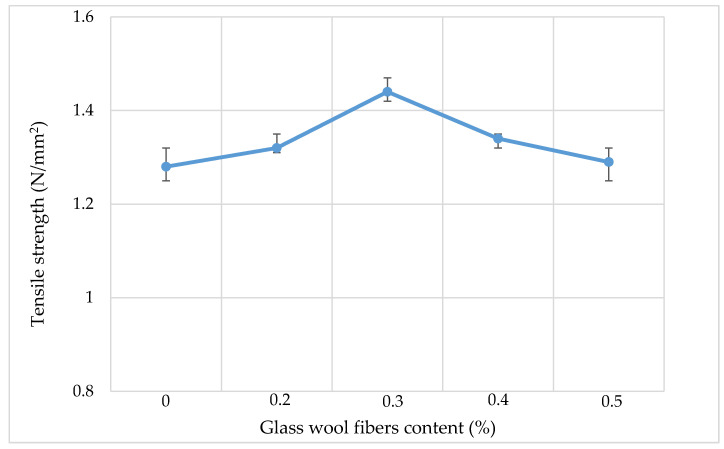
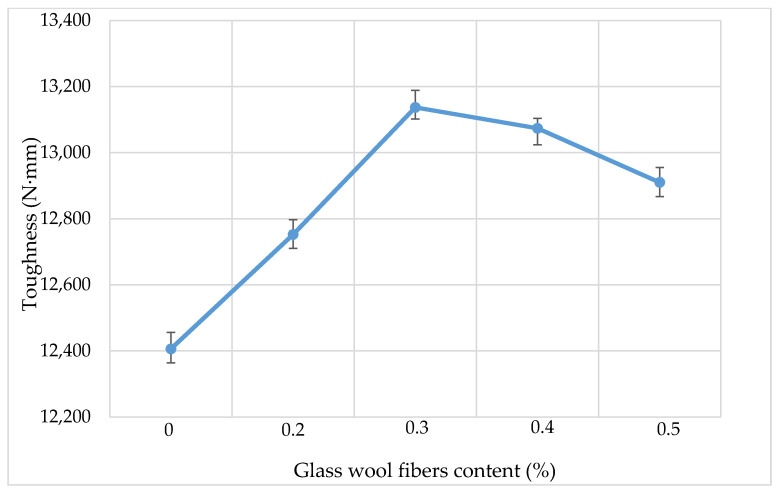
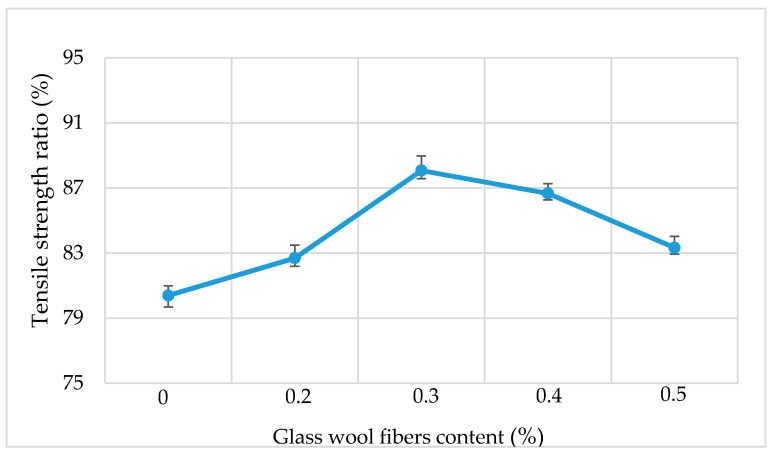
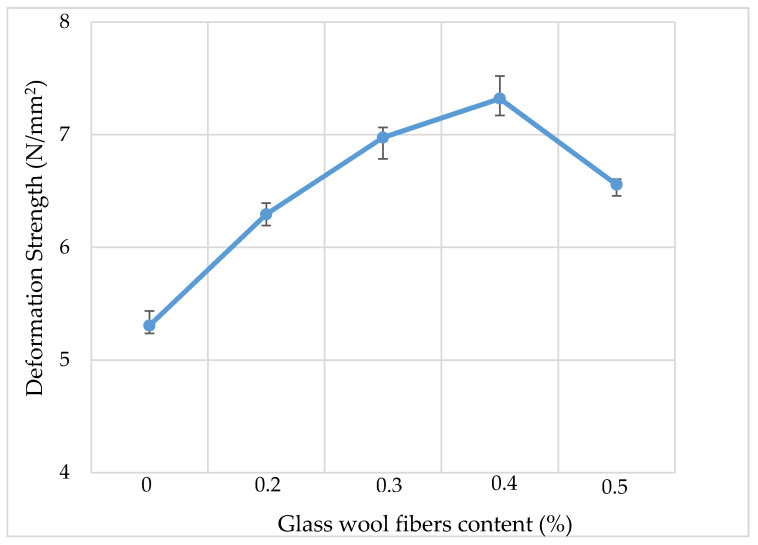
Nowadays, in order to improve asphalt pavement performance and durability and reduce environmental pollution caused by hydrocarbon materials, many researchers are studying different ways of modifying asphalt concrete (AC) and finding alternative paving materials to extend the service life of pavements. One of the successful materials used in the modification of AC is fibers. Different types of fibers have been reinforced in AC mixtures and improvements have been observed. This research studies the performance of glass wool fibers reinforced in a dense-graded asphalt mixture. Generally, glass fibers are known to have excellent mechanical properties such as high tensile modulus, 100% elastic recovery and a very high tolerance to heat. Glass wool fibers are commonly used as a thermal insulation material. In this research, to evaluate the performance of glass wool fibers in AC, laboratory tests, the Marshall mix design test, indirect tensile strength (IDT), tensile strength ratio (TSR) and the Kim test were conducted to determine a proper mix design, tensile properties, moisture susceptibility, rutting and fatigue behaviors. Results show that the addition of glass wool fibers does affect the properties of AC mixtures. The use of glass wool fibers shows a positive consistence result, in which it improved the moisture susceptibility and rutting resistance of the AC. Additionally, results show that the addition of fiber increased tensile strength and toughness which indicates that fibers have a potential to resist distresses that occur on a surface of the road as a result of heavy traffic loading. The overall results show that the addition of glass wool fibers in AC mixtures is beneficial in improving properties of AC pavements.
如今,为了提高沥青路面的性能和耐久性,并减少碳氢化合物材料造成的环境污染,许多研究人员正在研究改性沥青混凝土(AC)的不同方法,并寻找替代铺路材料以延长路面使用寿命。用于改性AC的成功材料之一是纤维。不同类型的纤维已被添加到AC混合料中,并观察到了性能的改善。本研究探讨了在密级配沥青混合料中添加玻璃棉纤维后的性能。一般来说,玻璃纤维具有优异的机械性能,如高拉伸模量、100%弹性回复率和极高的耐热性。玻璃棉纤维通常用作隔热材料。在本研究中,为了评估玻璃棉纤维在AC中的性能,进行了实验室试验、马歇尔配合比设计试验、间接拉伸强度(IDT)、拉伸强度比(TSR)和金氏试验,以确定合适的配合比设计、拉伸性能、抗水损害性能、车辙和疲劳性能。结果表明,添加玻璃棉纤维确实会影响AC混合料的性能。玻璃棉纤维的使用显示出积极的一致性结果,即它提高了AC的抗水损害性能和抗车辙性能。此外,结果表明,纤维的添加提高了拉伸强度和韧性,这表明纤维有潜力抵抗由于交通重载而在路面表面出现的病害。总体结果表明,在AC混合料中添加玻璃棉纤维有利于改善AC路面的性能。