Department of Pathology, Stanford University School of Medicine, Stanford, CA, USA.
Center for Personal Dynamic Regulomes, Stanford University, Stanford, CA, USA.
Nat Genet. 2020 Nov;52(11):1158-1168. doi: 10.1038/s41588-020-00721-x. Epub 2020 Oct 26.
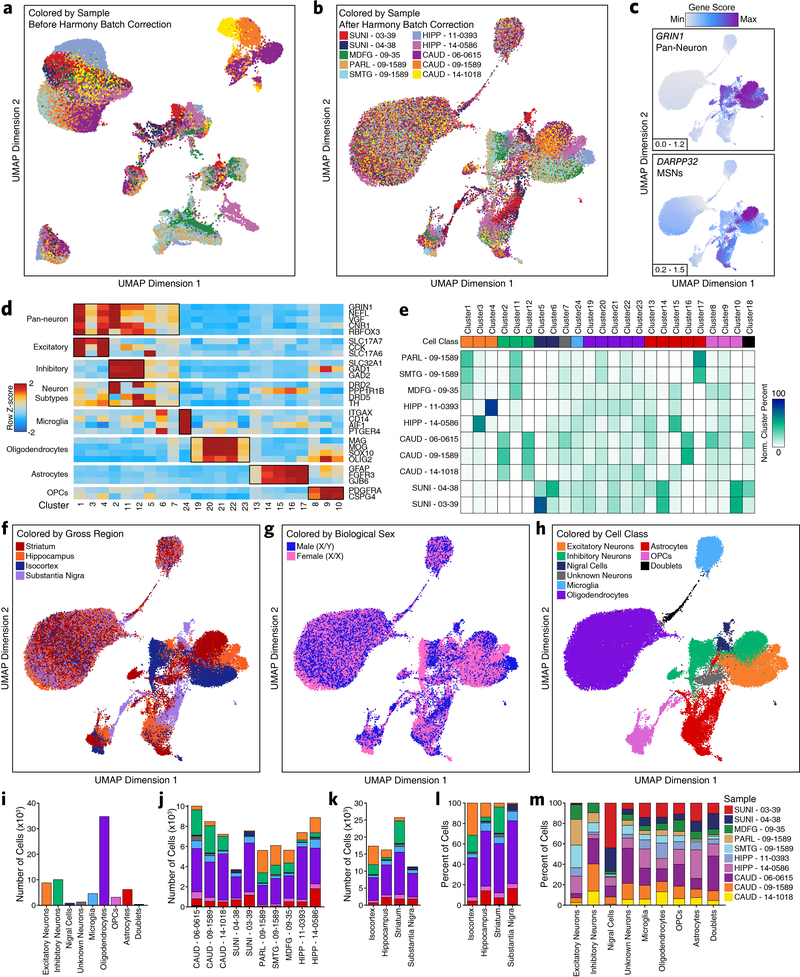
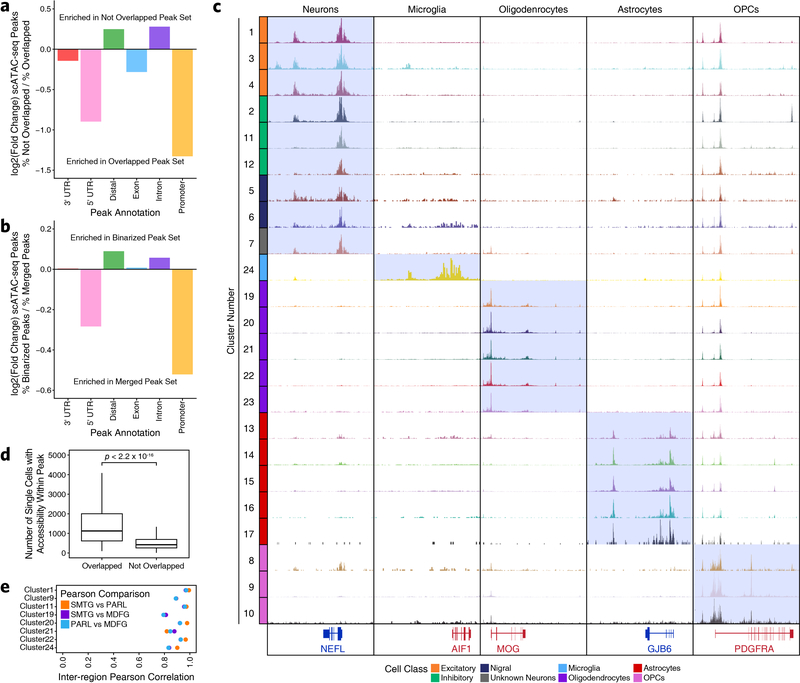
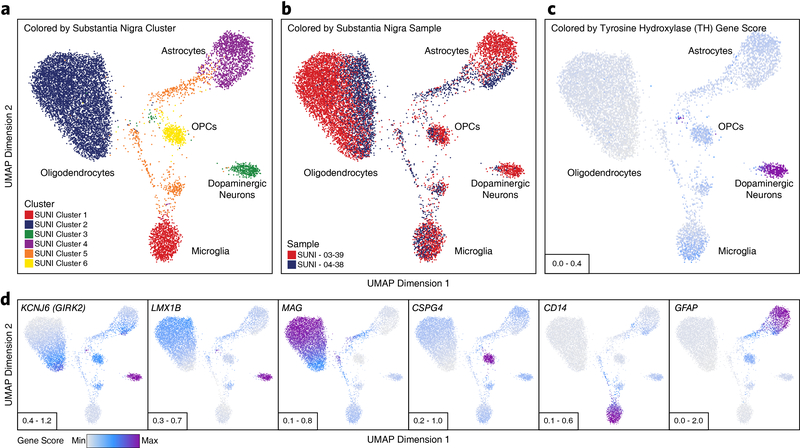
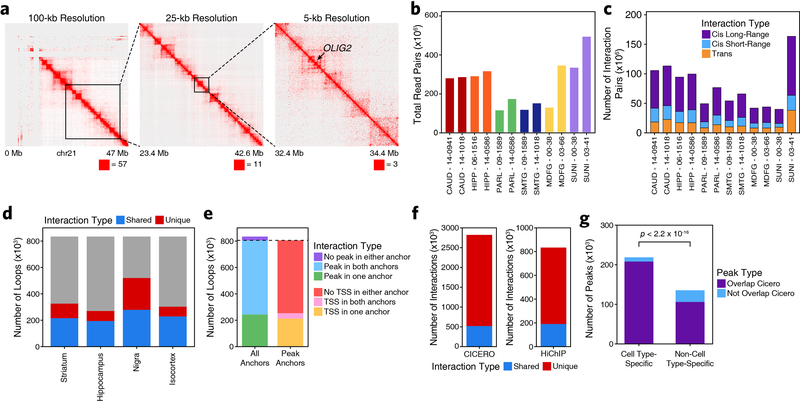
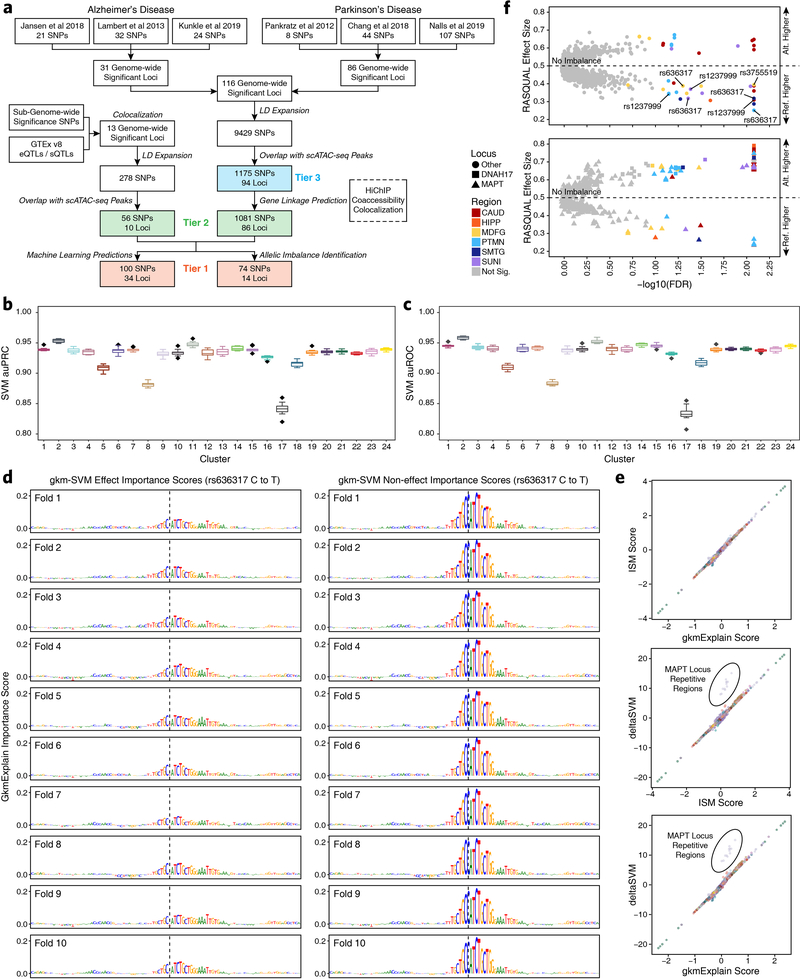
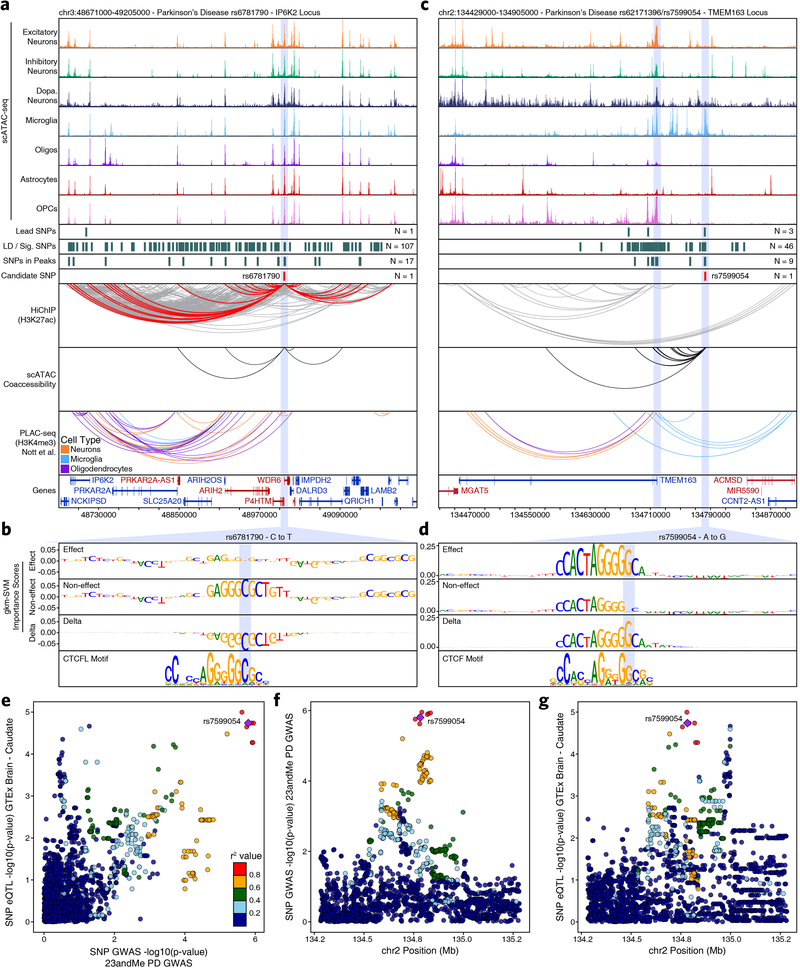
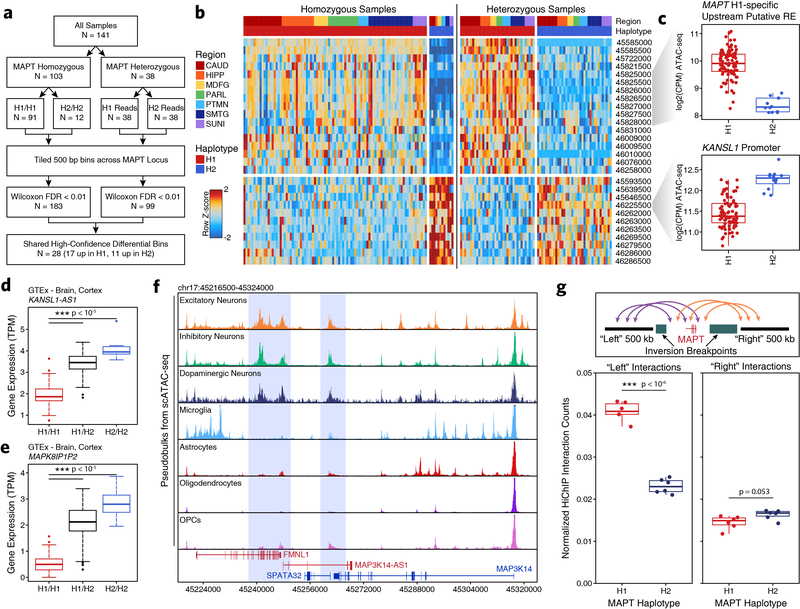
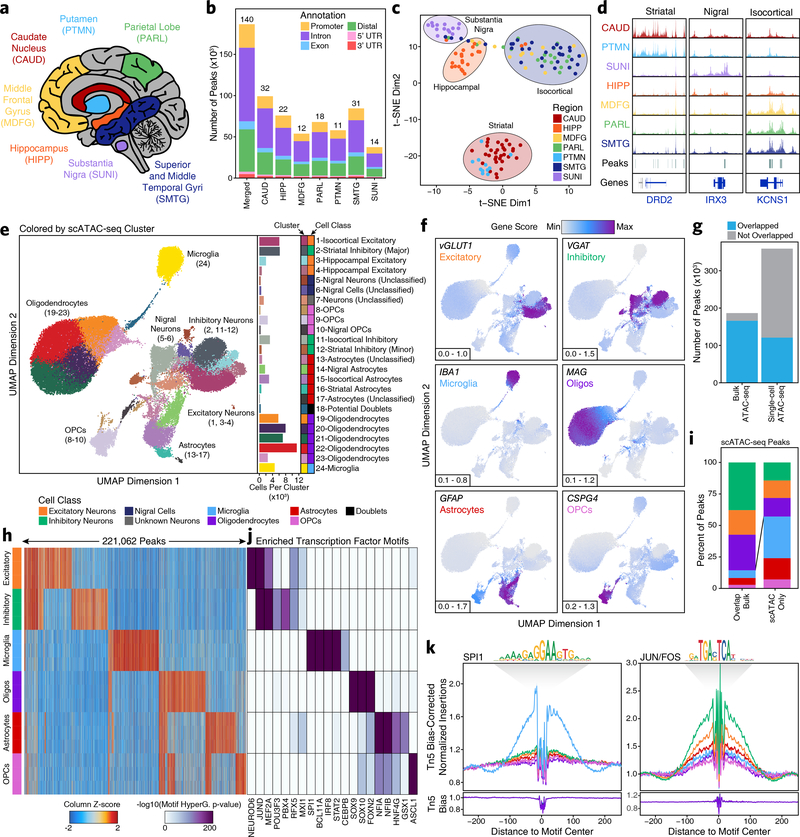
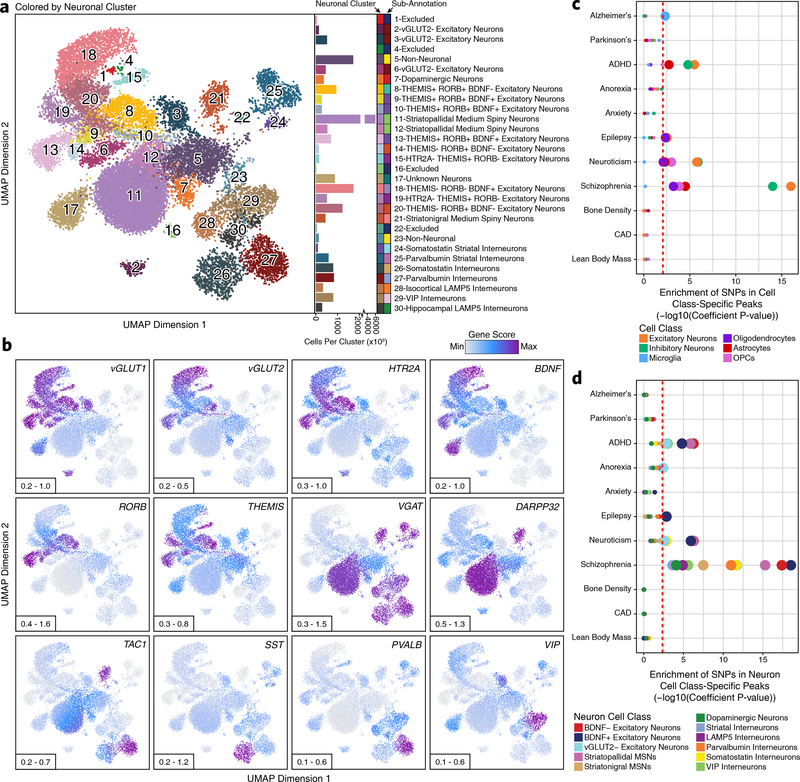
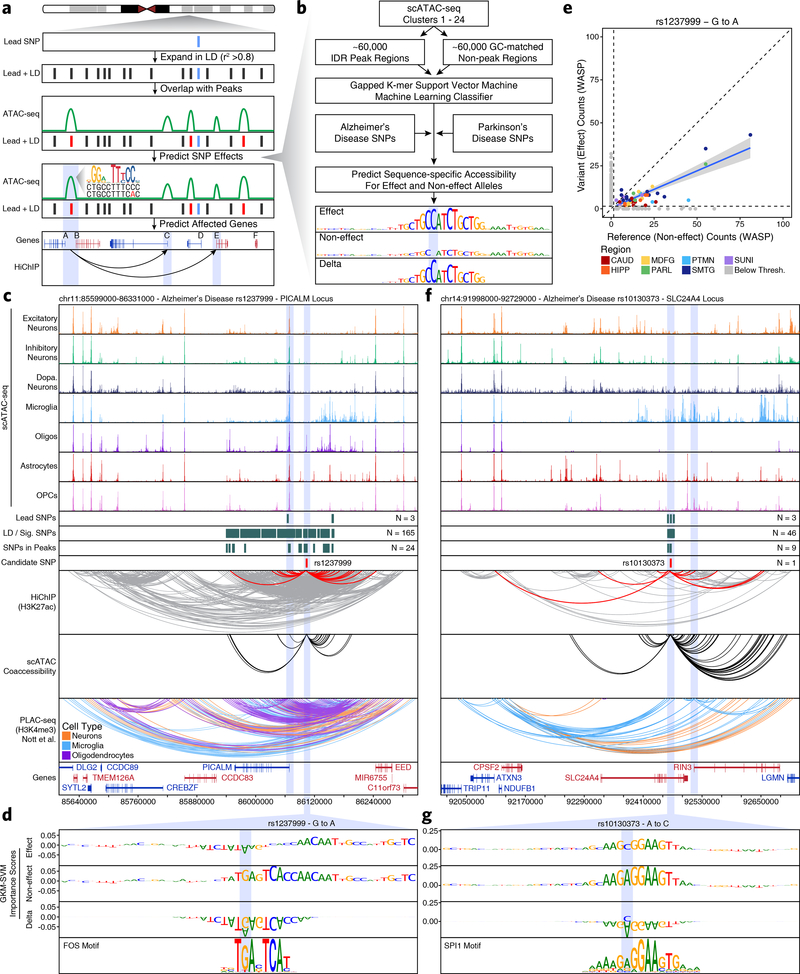
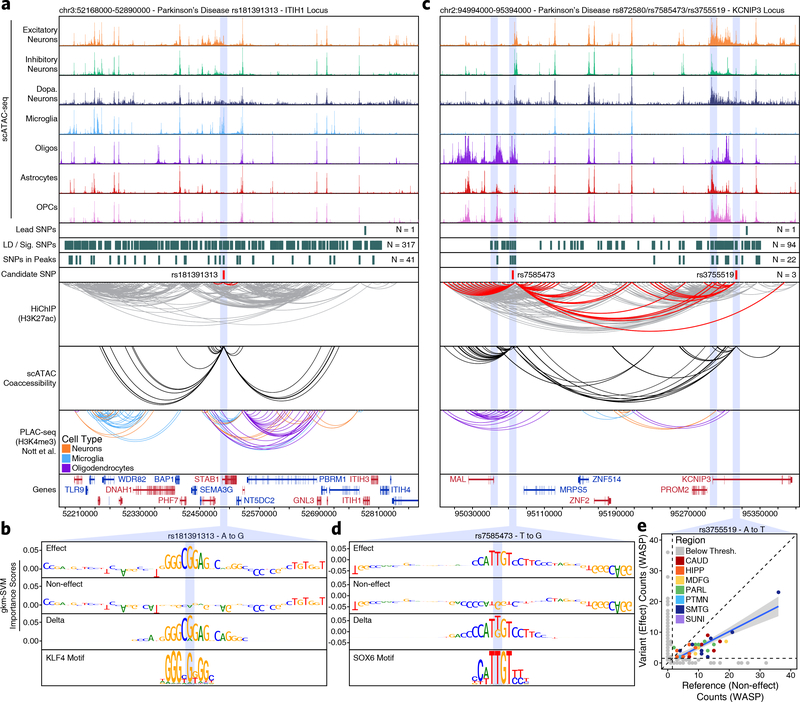
Genome-wide association studies of neurological diseases have identified thousands of variants associated with disease phenotypes. However, most of these variants do not alter coding sequences, making it difficult to assign their function. Here, we present a multi-omic epigenetic atlas of the adult human brain through profiling of single-cell chromatin accessibility landscapes and three-dimensional chromatin interactions of diverse adult brain regions across a cohort of cognitively healthy individuals. We developed a machine-learning classifier to integrate this multi-omic framework and predict dozens of functional SNPs for Alzheimer's and Parkinson's diseases, nominating target genes and cell types for previously orphaned loci from genome-wide association studies. Moreover, we dissected the complex inverted haplotype of the MAPT (encoding tau) Parkinson's disease risk locus, identifying putative ectopic regulatory interactions in neurons that may mediate this disease association. This work expands understanding of inherited variation and provides a roadmap for the epigenomic dissection of causal regulatory variation in disease.
全基因组关联研究已经确定了数千个与疾病表型相关的变异。然而,这些变异大多数并不改变编码序列,使得其功能难以确定。在这里,我们通过对认知健康个体的多个成人脑区的单细胞染色质可及性图谱和三维染色质相互作用进行分析,展示了成人大脑的多组学表观基因组图谱。我们开发了一种机器学习分类器来整合这个多组学框架,并预测数十个阿尔茨海默病和帕金森病的功能 SNP,为全基因组关联研究中以前被忽视的遗传位点确定靶基因和细胞类型。此外,我们剖析了 MAPT(编码 tau)帕金森病风险位点的复杂倒位杂合子,鉴定了神经元中可能介导这种疾病关联的潜在异位调节相互作用。这项工作扩展了对遗传变异的理解,并为疾病中因果调节变异的表观基因组分析提供了路线图。