Department of Anesthesiology, University of Hong Kong, Hong Kong, China.
Department of Anesthesiology, The Second Affiliated Hospital and Yuying Children's Hospital, Wenzhou Medical University, Wenzhou, China.
J Cell Mol Med. 2020 Dec;24(23):13727-13738. doi: 10.1111/jcmm.15935. Epub 2020 Oct 27.
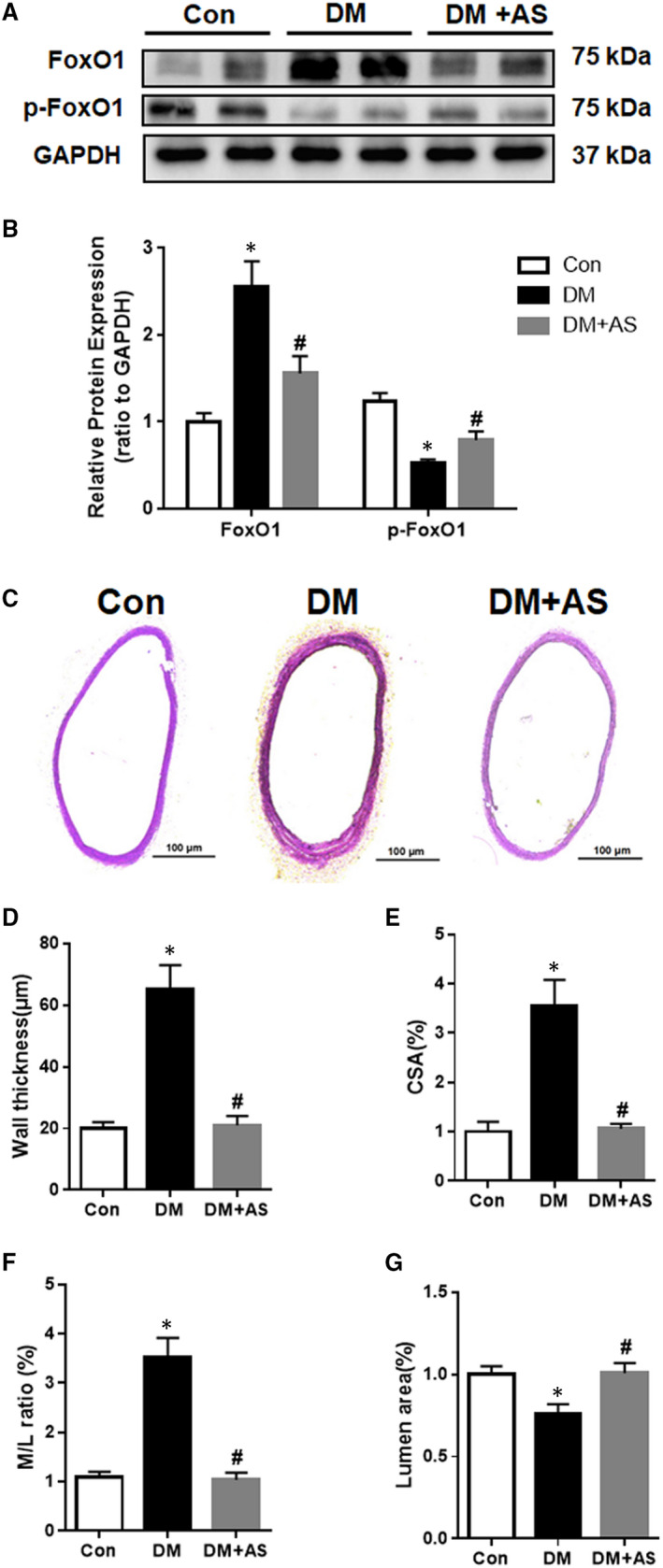
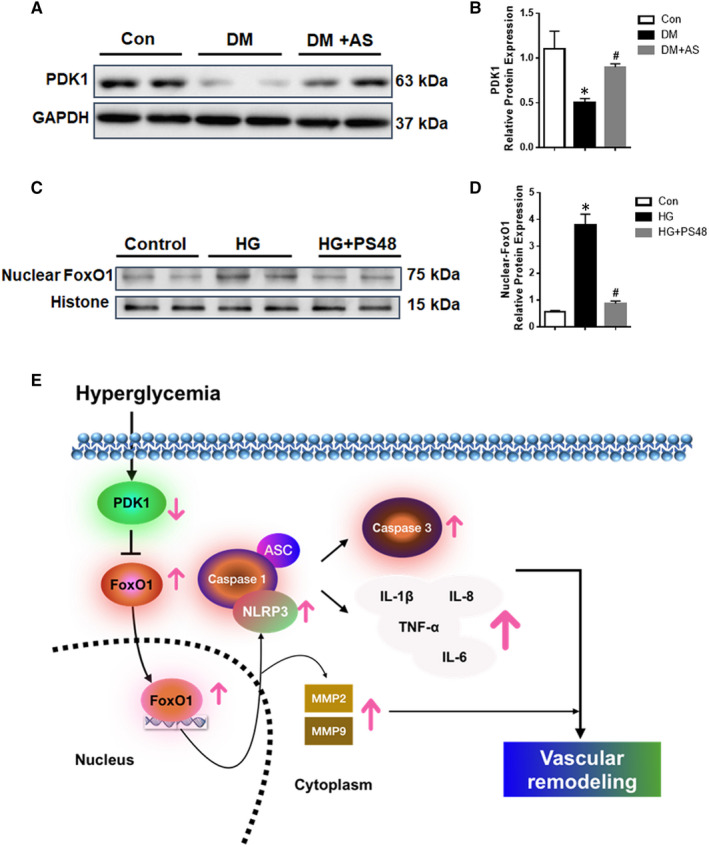
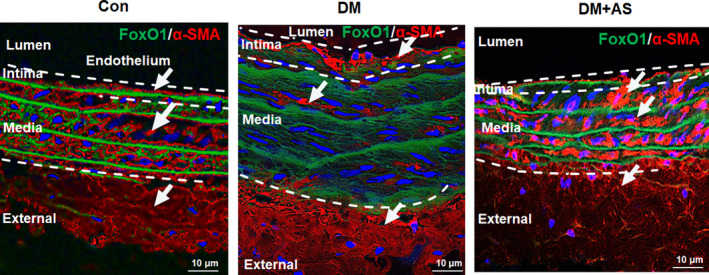
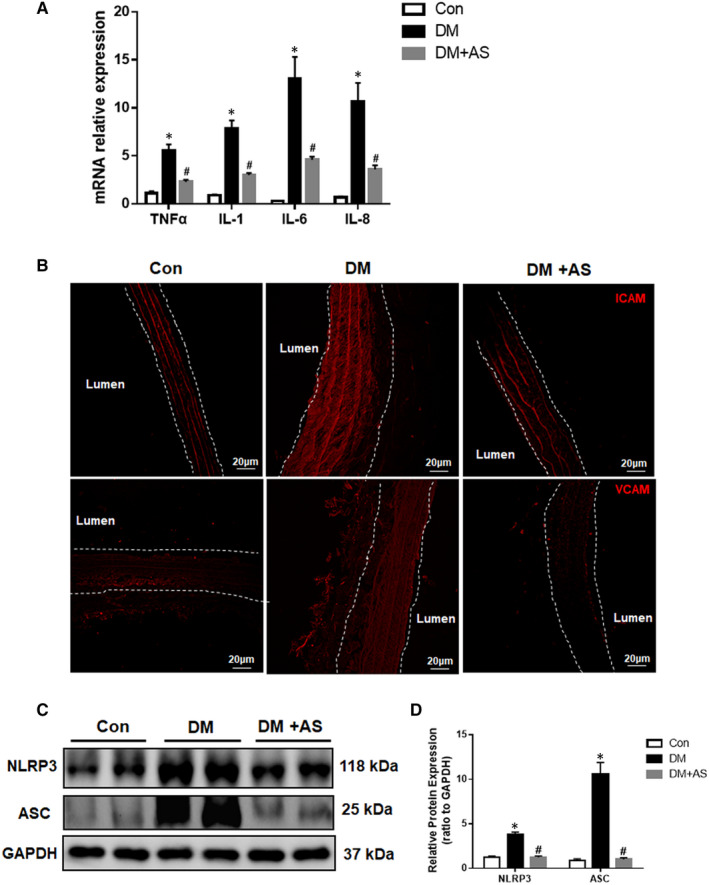
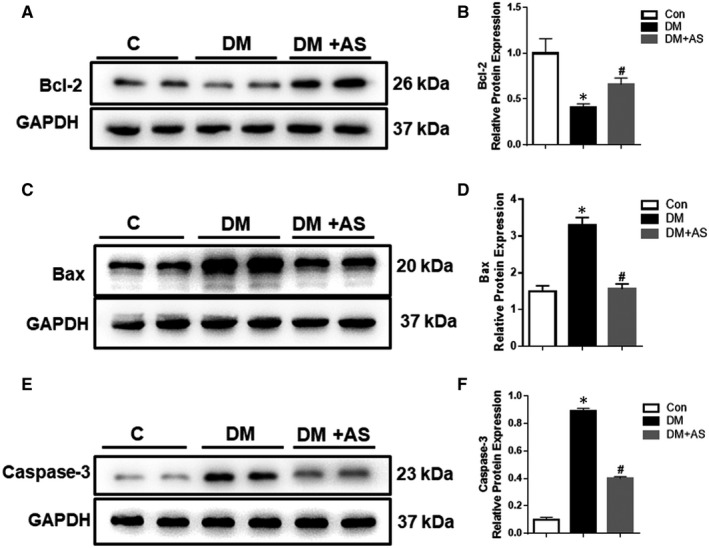
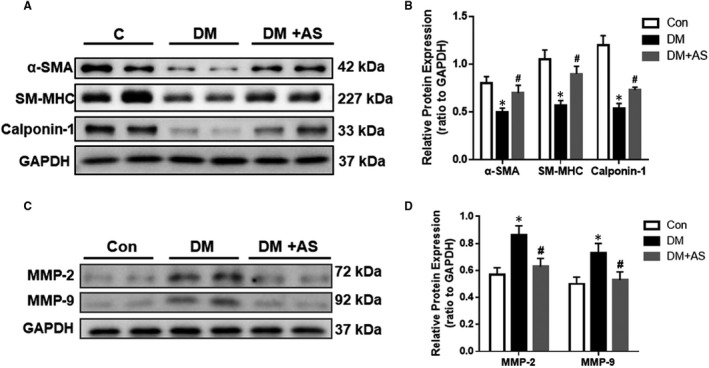
Vascular complications from diabetes often result in poor outcomes for patients, even after optimized interventions. Forkhead box protein O1 (FoxO1) is a key regulator of cellular metabolism and plays an important role in vessel formation and maturation. Alterations of FoxO1 occur in the cardiovascular system in diabetes, yet the role of FoxO1 in diabetic vascular complications is poorly understood. In Streptozotocin (STZ)-induced type 1 diabetic rats, FoxO1 expression was up-regulated in carotid arteries at 8 weeks of diabetes that was accompanied with adverse vascular remodelling characterized as increased wall thickness, carotid medial cross-sectional area, media-to-lumen ratio and decreased carotid artery lumen area. This adverse vascular remodelling induced by hyperglycaemia in diabetic rats required FoxO1 activation as pharmacological inhibition of FoxO1 with 50mg/kg AS1842856 (AS) reversed vascular remodelling in type 1 diabetic rats. The adverse vascular remodelling in type 1 diabetes mellitus (T1DM) occurred concomitantly with increases in pro-inflammatory factors, adhesion factors, apoptosis, NOD-like receptor family protein-3 inflammasome activation and the phenotypic switch of arterial smooth muscle cells, which were all reversed by AS. In addition, FoxO1 inhibition counteracted the down-regulation of its upstream mediator PDK1 in T1DM. PDK1 activator reduced FoxO1 nuclear translocation, which serves as the basis for subsequent transcriptional regulation during hyperglycaemia. Taken together, our data suggest that FoxO1 is a critical trigger for type 1 diabetes-induced vascular remodelling in rats, and inhibition of FoxO1 thus offers a potential therapeutic option for diabetes-associated cardiovascular diseases.
糖尿病引起的血管并发症常导致患者预后不良,即使经过优化干预也是如此。叉头框蛋白 O1(FoxO1)是细胞代谢的关键调节因子,在血管形成和成熟中发挥重要作用。糖尿病患者的心血管系统中 FoxO1 发生改变,但 FoxO1 在糖尿病血管并发症中的作用知之甚少。在链脲佐菌素(STZ)诱导的 1 型糖尿病大鼠中,FoxO1 表达在糖尿病 8 周时在上颈动脉上调,伴有血管重构不良,表现为壁厚度增加、颈动脉中膜横截面积、中膜与管腔比增加和颈动脉管腔面积减少。这种高血糖诱导的糖尿病大鼠的不良血管重构需要 FoxO1 激活,因为用 50mg/kg AS1842856(AS)抑制 FoxO1 的药理作用可逆转 1 型糖尿病大鼠的血管重构。1 型糖尿病(T1DM)的不良血管重构与促炎因子、黏附因子、细胞凋亡、NOD 样受体家族蛋白 3 炎性小体激活和动脉平滑肌细胞表型转换的增加同时发生,这些均被 AS 逆转。此外,FoxO1 抑制可逆转 T1DM 中其上游介质 PDK1 的下调。PDK1 激活剂减少 FoxO1 核易位,这是高血糖时后续转录调节的基础。总之,我们的数据表明 FoxO1 是大鼠 1 型糖尿病诱导的血管重构的关键触发因素,抑制 FoxO1 为糖尿病相关心血管疾病提供了一种潜在的治疗选择。