Miyagawa Yoshihiro, Nukaga Shota, Mori Takuya, Fujiwara-Tani Rina, Fujii Kiyomu, Mori Shiori, Goto Kei, Kishi Shingo, Sasaki Takamitsu, Nakashima Chie, Ohmori Hitoshi, Kawahara Isao, Luo Yi, Kuniyasu Hiroki
Department of Molecular Pathology, Nara Medical University, Kashihara, Nara 634-8521, Japan.
Division of Rehabilitation, Hanna Central Hospital, Ikoma, Nara 630-0243, Japan.
Oncotarget. 2020 Oct 13;11(41):3712-3722. doi: 10.18632/oncotarget.27759.
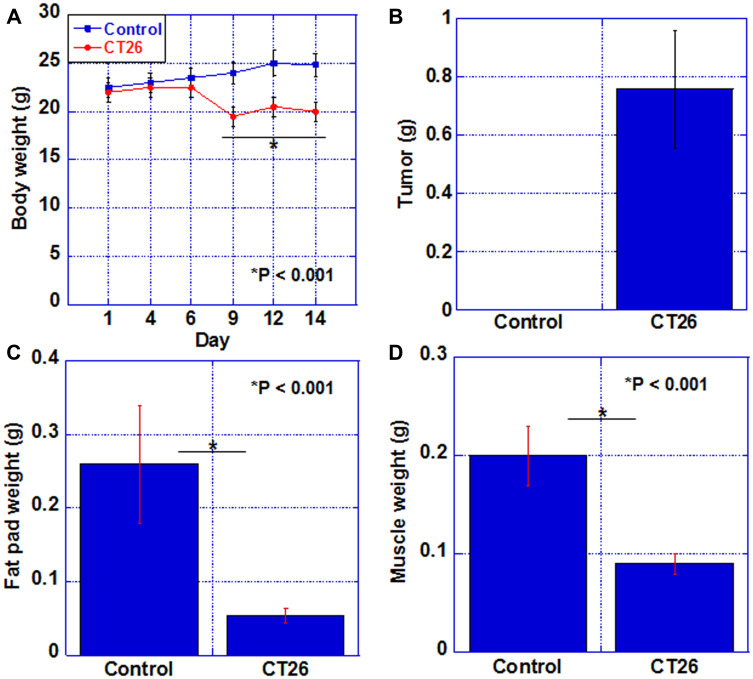
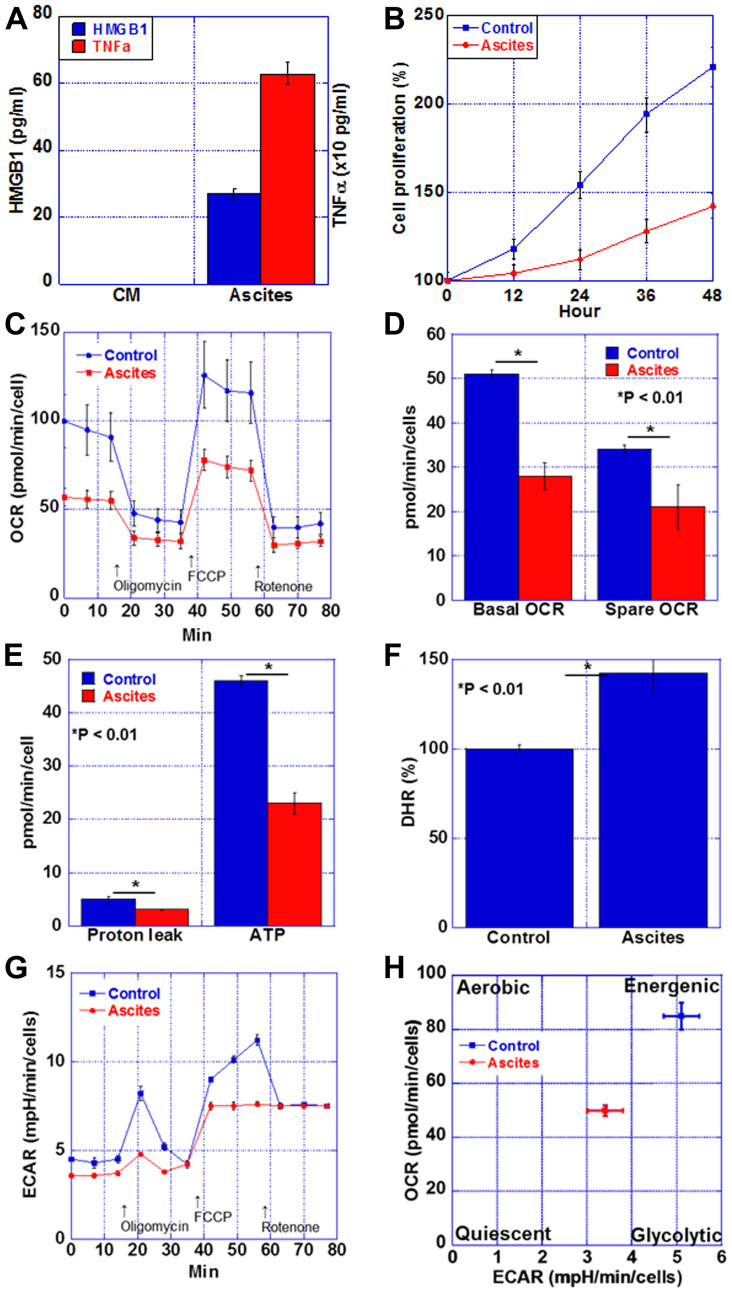
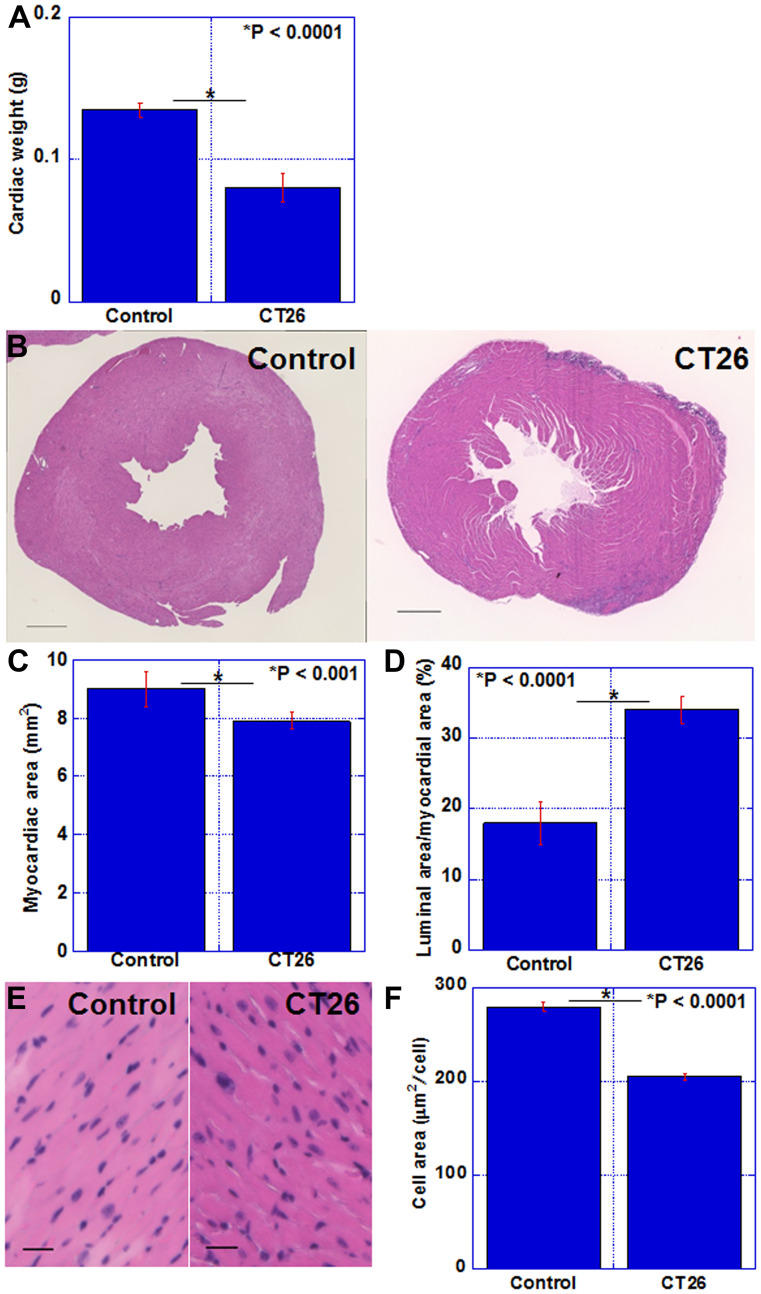
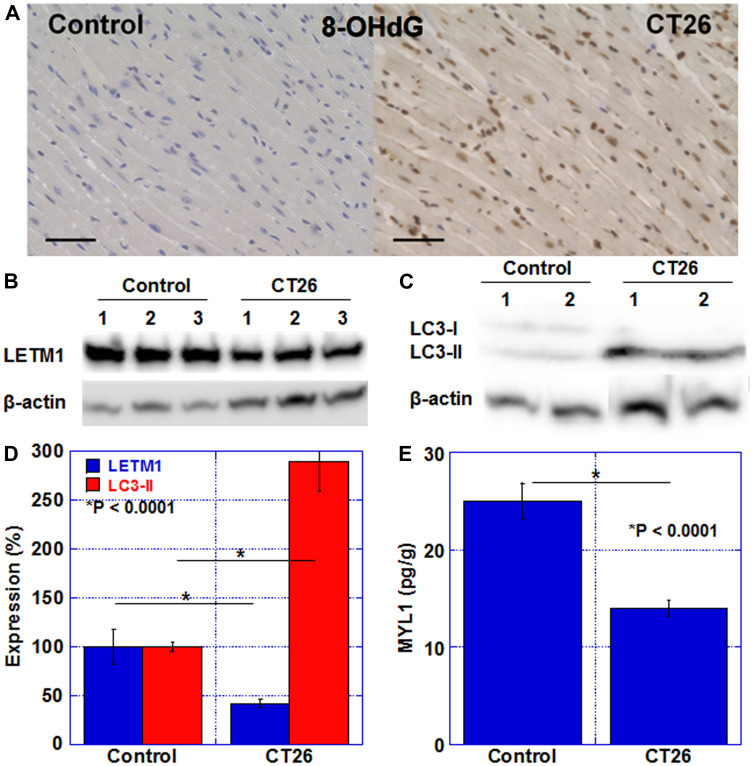
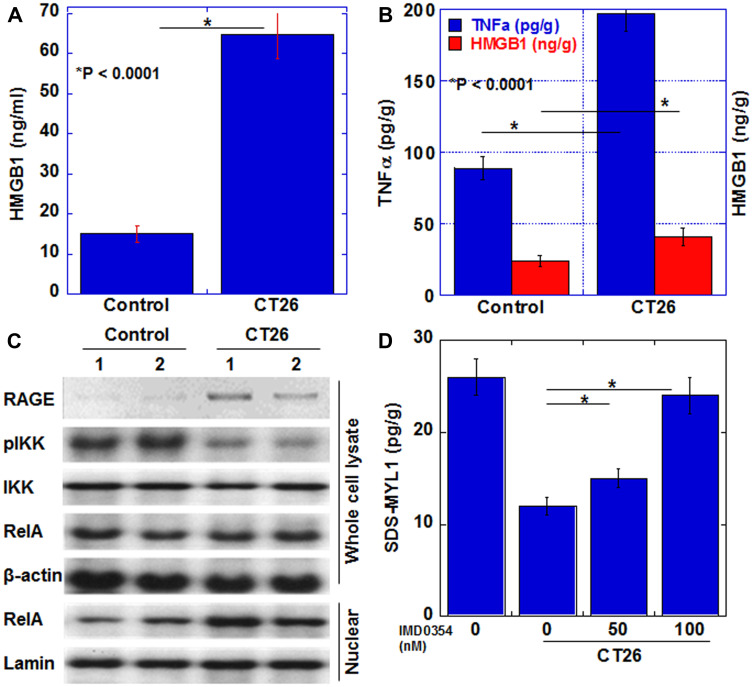
Myocardial damage in cancer patients is emphasized as a cause of death; however, there are not many murine cachexia models to evaluate cancer-derived heart disorder. Using the mouse cachexia model that we established previously, we investigated myocardial damage in tumor-bearing mice. In cachexic mice, decreased heart weight and myocardial volume, and dilated left ventricular lumen, and atrophied cardiomyocytes were noted. The cardiomyocytes also showed accumulated 8-hydroxydeoxyguanosine, decreased leucine zipper and EF-hand-containing transmembrane protein-1, and increased microtubule-associated protein light chain3-II. Levels of tumor necrosis factor-α and high-mobility group box-1 proteins in the myocardium were increased, and nuclear factor κB, a signaling molecule associated with these proteins, was activated. When rat cardiomyoblasts (H9c2 cells) were treated with mouse cachexia model ascites and subjected to flux analysis, both oxidative phosphorylation and glycolysis were suppressed, and the cells were in a quiescent state. These results are in good agreement with those previously reported on cancerous myocardial damage. The established mouse cachexia model can therefore be considered useful for analyzing cancer-derived myocardial damage.
心肌损伤在癌症患者中被视为一种死因;然而,用于评估癌症引发的心脏疾病的小鼠恶病质模型并不多。我们利用先前建立的小鼠恶病质模型,对荷瘤小鼠的心肌损伤进行了研究。在恶病质小鼠中,观察到心脏重量和心肌体积减小、左心室腔扩张以及心肌细胞萎缩。心肌细胞还表现出8-羟基脱氧鸟苷积累、含亮氨酸拉链和EF手型的跨膜蛋白-1减少以及微管相关蛋白轻链3-II增加。心肌中肿瘤坏死因子-α和高迁移率族蛋白B1的水平升高,且与这些蛋白相关的信号分子核因子κB被激活。当用小鼠恶病质模型腹水处理大鼠心肌成纤维细胞(H9c2细胞)并进行通量分析时,氧化磷酸化和糖酵解均受到抑制,细胞处于静止状态。这些结果与先前关于癌性心肌损伤的报道高度一致。因此,所建立的小鼠恶病质模型可被认为有助于分析癌症引发的心肌损伤。