Division of Hematology-Oncology, Department of Internal Medicine, Chang Gung Memorial Hospital at Linkou, Chang Gung University College of Medicine, Taoyuan 333, Taiwan.
Department of General Surgery and Liver Research Center, Chang Gung Memorial Hospital, Linkou branch, Chang Gung University, Taoyuan 333, Taiwan.
Biomolecules. 2020 Oct 23;10(11):1474. doi: 10.3390/biom10111474.
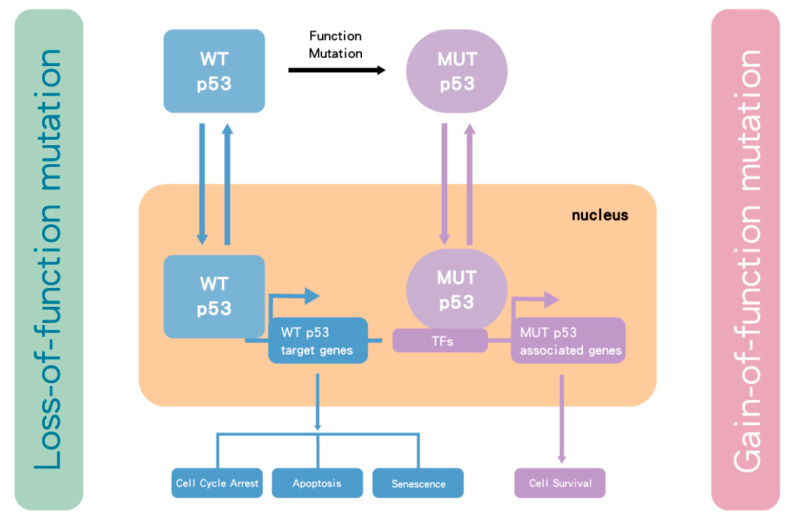
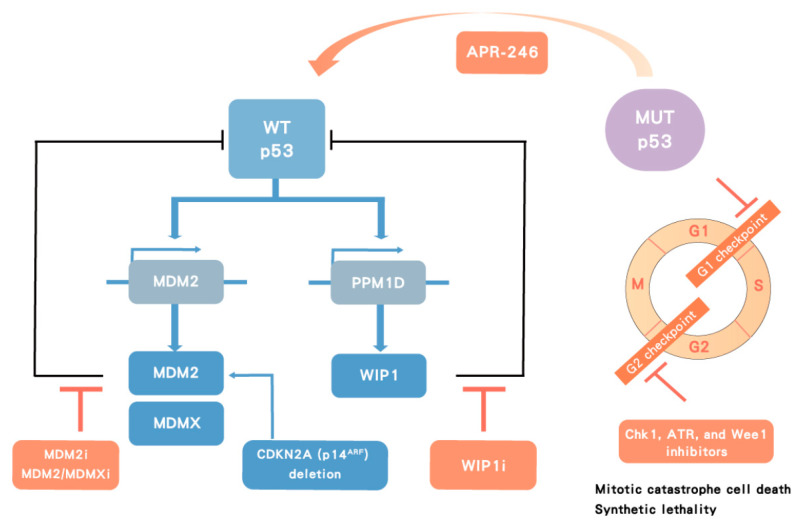
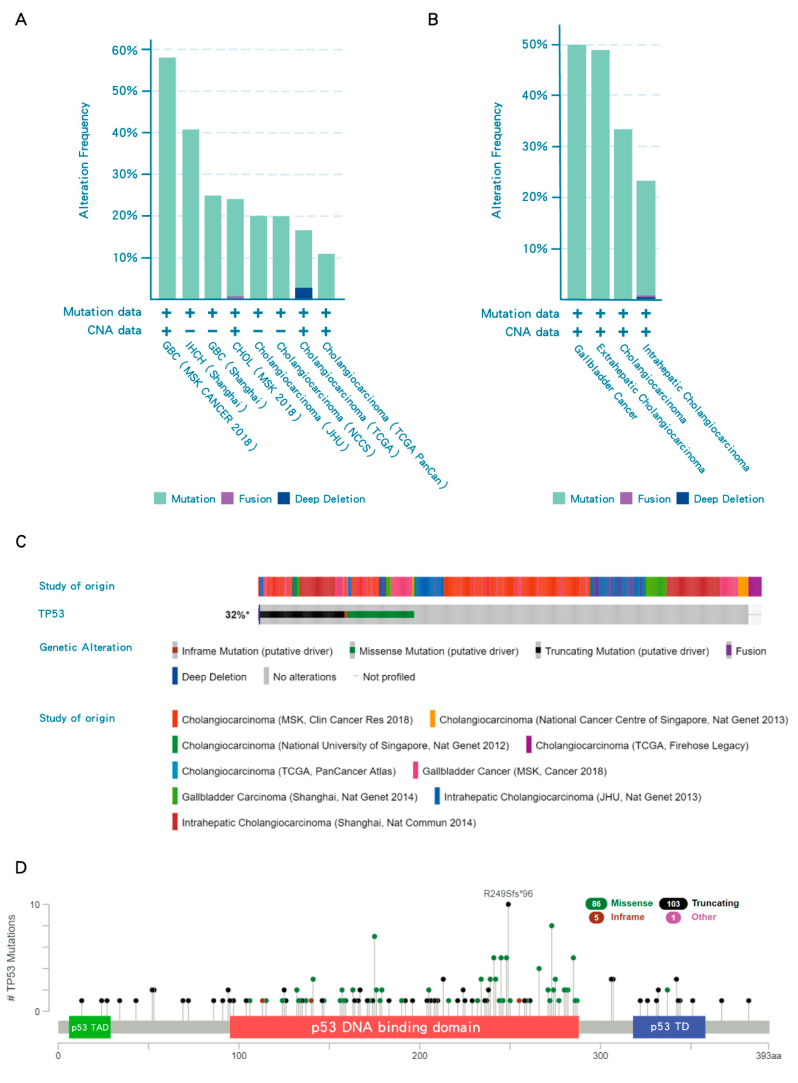
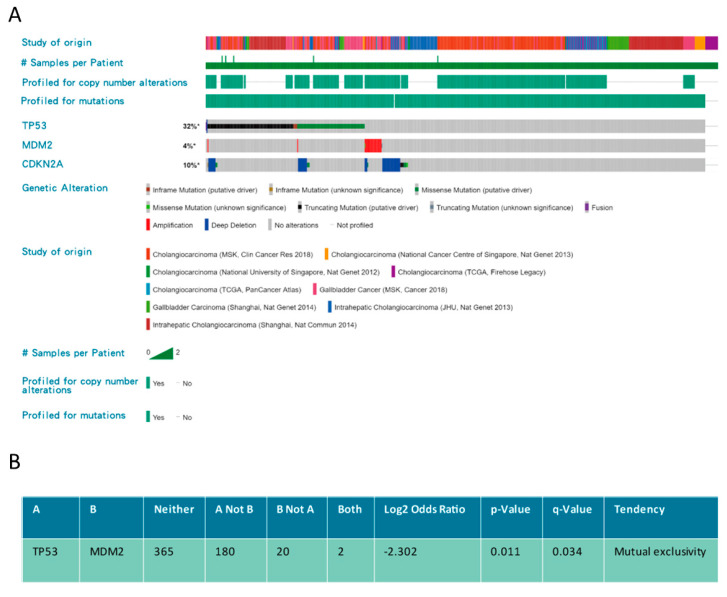
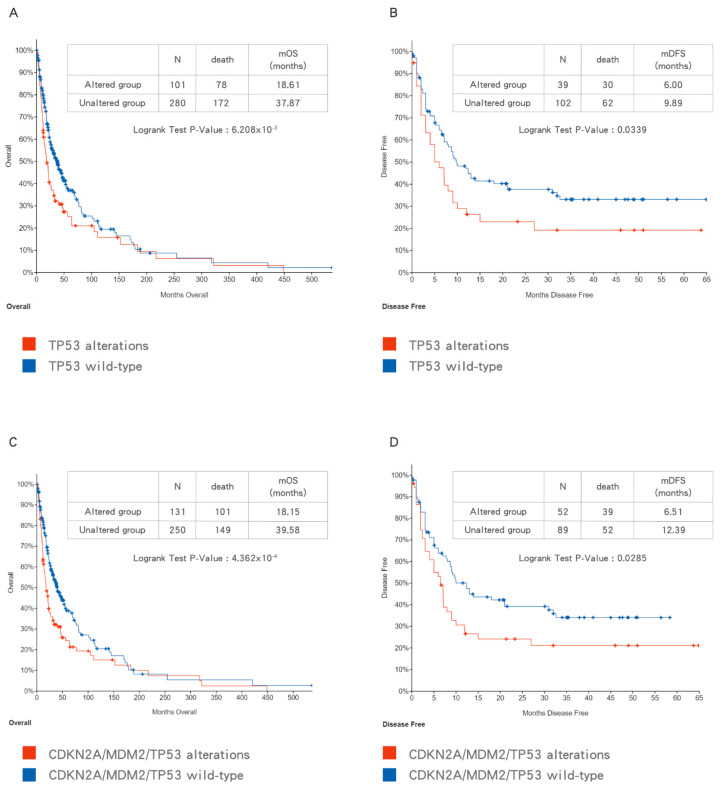
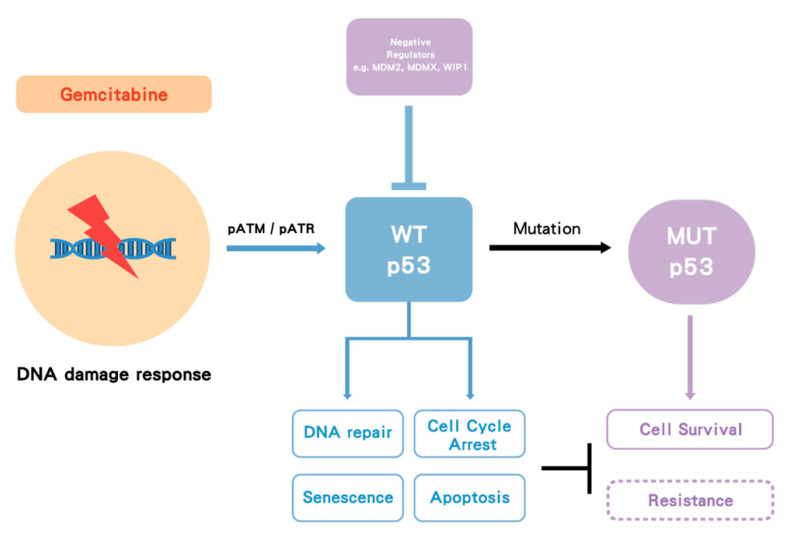
Gemcitabine-based chemotherapy is the current standard treatment for biliary tract cancers (BTCs) and resistance to gemcitabine remains the clinical challenge. mutation has been shown to be associated with poor clinicopathologic characteristics and survival in patients with BTCs, indicating that p53 plays an important role in the treatment of these cancers. Herein, we comprehensively reviewed previous BTC preclinical research and early clinical trials in terms of p53, as well as novel p53-targeted treatment, alone or in combination with either chemotherapy or other targeted therapies in BTCs. Preclinical studies have demonstrated that p53 mutations in BTCs are associated with enhanced gemcitabine resistance, therefore targeting p53 may be a novel therapeutic strategy for treatment of BTCs. Directly targeting mutant p53 by p53 activators, or indirectly by targeting cell cycle checkpoint proteins (Chk1, ataxia telangiectasia related (ATR), and Wee1) leading to synthetic lethality, may be potential future strategies for gemcitabine-resistant p53 mutated BTCs. In contrast, for wild-type p53 BTCs, activation of p53 by inhibition of its negative regulators (MDM2 and wild-type p53-induced phosphatase 1 (WIP1)) may be alternative options. Combination therapies consisting of standard cytotoxic drugs and novel small molecules targeting p53 and related signaling pathways may be the future key standard approach to beat cancer.
基于吉西他滨的化疗是目前治疗胆管癌(BTCs)的标准治疗方法,而对吉西他滨的耐药仍然是临床挑战。已经表明, 突变与 BTCs 患者的不良临床病理特征和生存相关,表明 p53 在这些癌症的治疗中发挥重要作用。在此,我们全面回顾了 p53 相关的 BTC 临床前研究和早期临床试验,以及单独或联合化疗或其他靶向治疗的新型 p53 靶向治疗在 BTCs 中的应用。临床前研究表明,BTCs 中的 p53 突变与增强的吉西他滨耐药性相关,因此靶向 p53 可能是治疗 BTCs 的一种新的治疗策略。通过 p53 激活剂直接靶向突变型 p53,或通过靶向细胞周期检查点蛋白(Chk1、共济失调毛细血管扩张症相关(ATR)和 Wee1)间接导致合成致死,可能是治疗吉西他滨耐药性 p53 突变型 BTCs 的潜在未来策略。相比之下,对于野生型 p53 BTCs,通过抑制其负调节剂(MDM2 和野生型 p53 诱导的磷酸酶 1(WIP1))激活 p53 可能是另一种选择。由标准细胞毒性药物和新型靶向 p53 及相关信号通路的小分子组成的联合疗法可能是未来战胜癌症的关键标准方法。