Department of Microbiology and Immunology, Institute of Biomedicine, University of Gothenburg, Gothenburg, Sweden.
Scand J Immunol. 2020 Dec;92(6):e12990. doi: 10.1111/sji.12990.
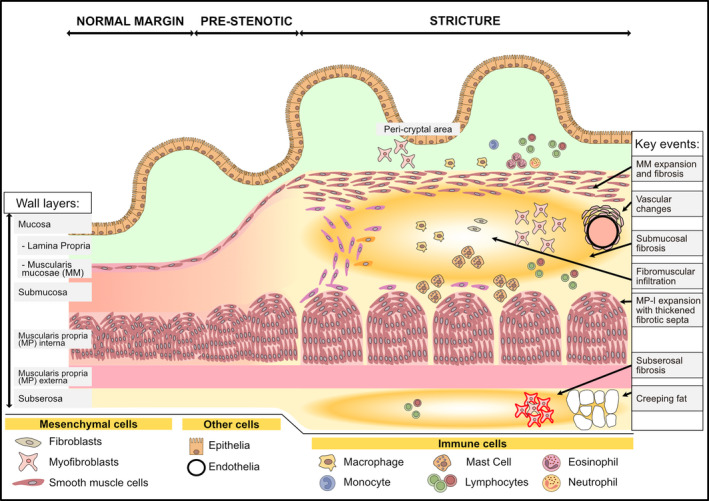
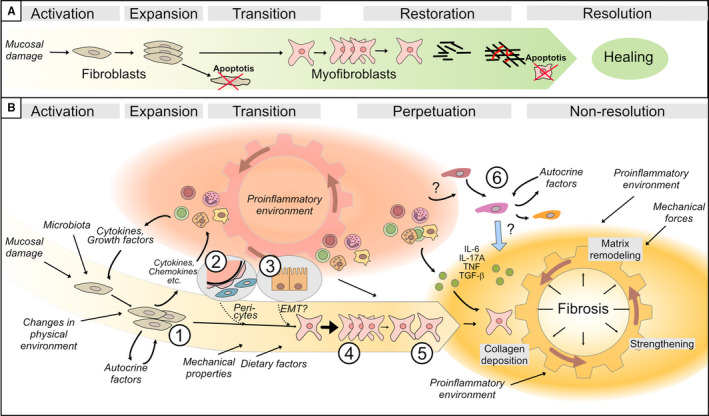
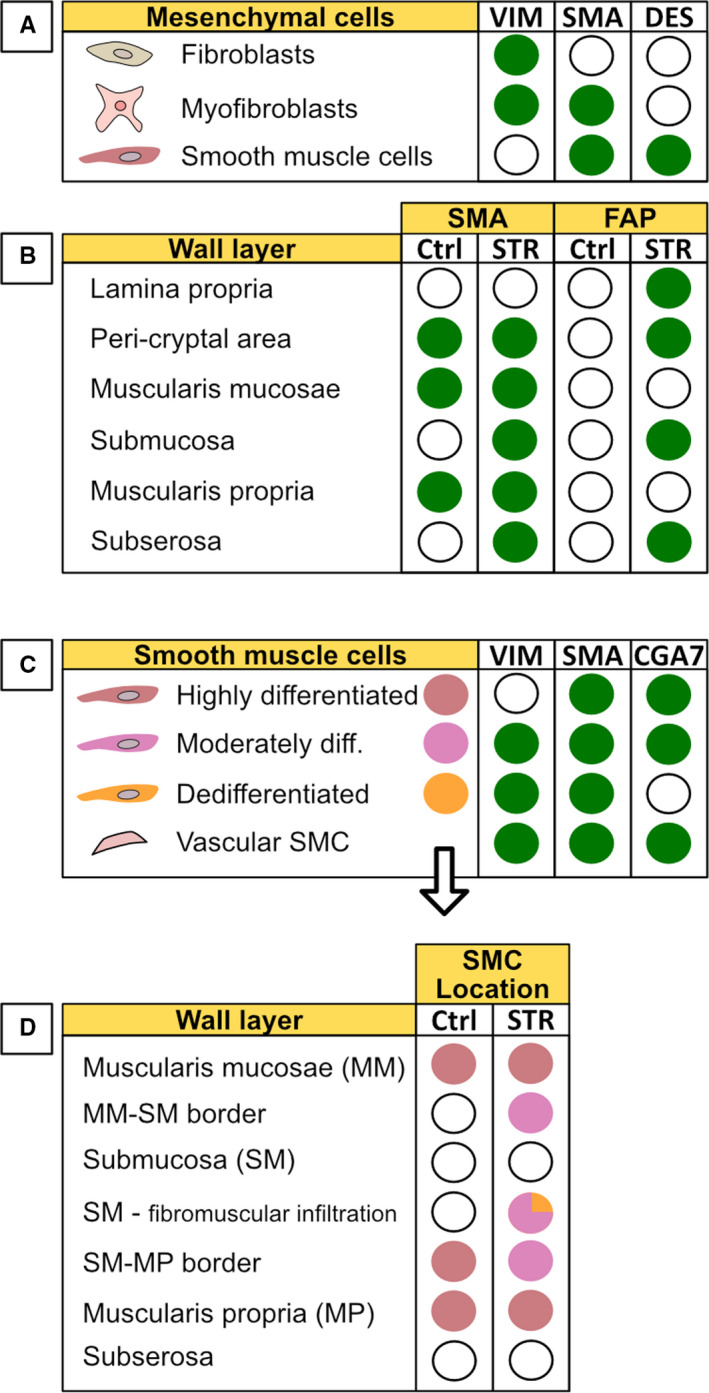
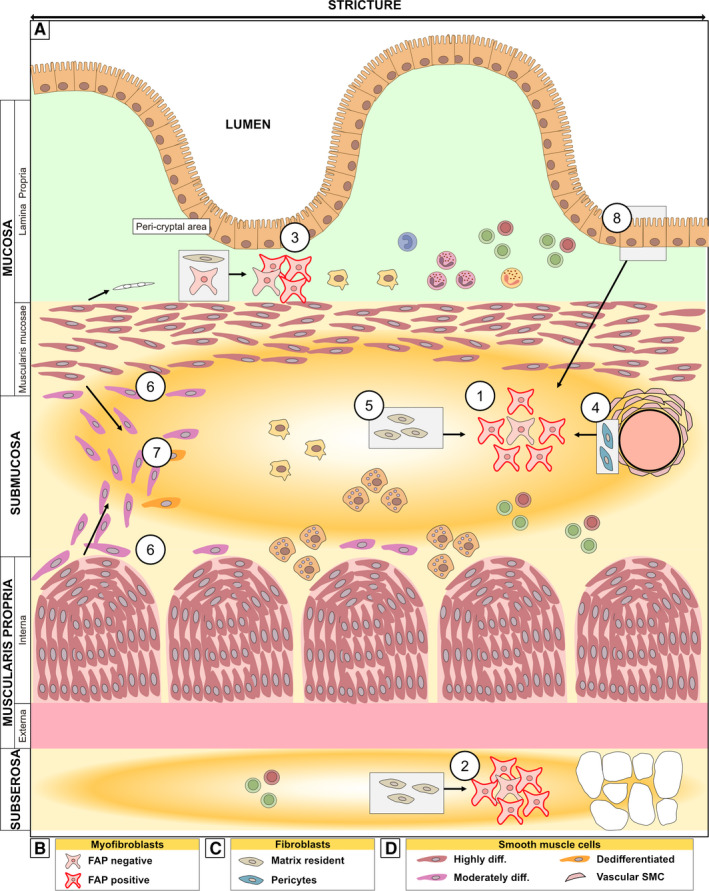
Crohn's disease (CD) is a chronic inflammatory disease of the gastrointestinal tract that leads to substantial suffering for millions of patients. In some patients, the chronic inflammation leads to remodelling of the extracellular matrix and fibrosis. Fibrosis, in combination with expansion of smooth muscle layers, leaves the bowel segment narrowed and stiff resulting in strictures, which often require urgent medical intervention. Although stricture development is associated with inflammation in the affected segment, anti-inflammatory therapies fall far short of treating strictures. At best, current therapies might allow some patients to avoid surgery in a shorter perspective and no anti-fibrotic therapy is yet available. This likely relates to our poor understanding of the mechanism underlying stricture development. Chronic inflammation is a prerequisite, but progression to strictures involves changes in fibroblasts, myofibroblasts and smooth muscle cells in a poorly understood interplay with immune cells and environmental cues. Much of the experimental evidence available is from animal models, cell lines or non-strictured patient tissue. Accordingly, these limitations create the basis for many previously published reviews covering the topic. Although this information has contributed to the understanding of fibrotic mechanisms in general, in the end, data must be validated in strictured tissue from patients. As stricture formation is a serious complication of CD, we endeavoured to summarize findings exclusively performed using strictured tissue from patients. Here, we give an update of the mechanism driving this serious complication in patients, and how the strictured tissue differs from adjacent unaffected tissue and controls.
克罗恩病(CD)是一种慢性胃肠道炎症性疾病,为数百万患者带来了巨大的痛苦。在一些患者中,慢性炎症会导致细胞外基质的重塑和纤维化。纤维化与平滑肌层的扩张相结合,使肠段变窄变僵硬,导致狭窄,这通常需要紧急医疗干预。尽管狭窄的发展与受影响的节段的炎症有关,但抗炎治疗远远不能治疗狭窄。在最好的情况下,目前的治疗方法可能会让一些患者在较短的时间内避免手术,而且还没有可用的抗纤维化治疗方法。这可能与我们对狭窄发展机制的了解不足有关。慢性炎症是一个前提条件,但进展为狭窄涉及到成纤维细胞、肌成纤维细胞和平滑肌细胞的变化,它们与免疫细胞和环境线索之间的相互作用理解得很差。现有的大部分实验证据来自动物模型、细胞系或非狭窄患者组织。因此,这些局限性为许多之前发表的涵盖该主题的评论提供了基础。尽管这些信息有助于一般了解纤维化机制,但最终数据必须在患者的狭窄组织中得到验证。由于狭窄的形成是 CD 的严重并发症,我们努力仅使用来自患者的狭窄组织来总结发现。在这里,我们更新了导致患者发生这种严重并发症的机制,以及狭窄组织与相邻未受影响组织和对照之间的差异。