Zou Weifeng, Wang Xiaoqian, Hong Wei, He Fang, Hu Jinxing, Sheng Qing, Zhu Tao, Ran Pixin
State Key Laboratory of Respiratory Disease, Guangzhou Chest Hospital, Guangzhou, Guangdong, People's Republic of China.
State Key Laboratory of Respiratory Disease, Guangzhou Medical University, Guangzhou, Guangdong, People's Republic of China.
Int J Chron Obstruct Pulmon Dis. 2020 Oct 23;15:2653-2662. doi: 10.2147/COPD.S270762. eCollection 2020.
Recently, fine particulate matter (PM2.5) was identified as the main exposure risk for COPD, and inflammation is central to the development of COPD. In this study, we investigated whether PM2.5 can induce the secretion of interleukin-6 (IL-6), IL-8 and IL-1β in human bronchial epithelial cells (HBECs) in vitro via the wingless-related integration site 5A (Wnt5a)/receptor tyrosine kinase-like orphan receptor 2 (Ror2) signaling.
The expression of Wnt5a and Ror2 was assessed by immunohistochemistry in motor vehicle exhaust (MVE)-induced Sprague-Dawley rats. HBECs were transfected with small interfering RNA (siRNA) targeting Wnt5a or Ror2 and subsequently stimulated with PM2.5.The secretion of IL-6, IL-8 and IL-1β was assessed by ELISAs, and the expression of Wnt5a/Ror2 signaling were assessed by RT-PCR and Western blotting.
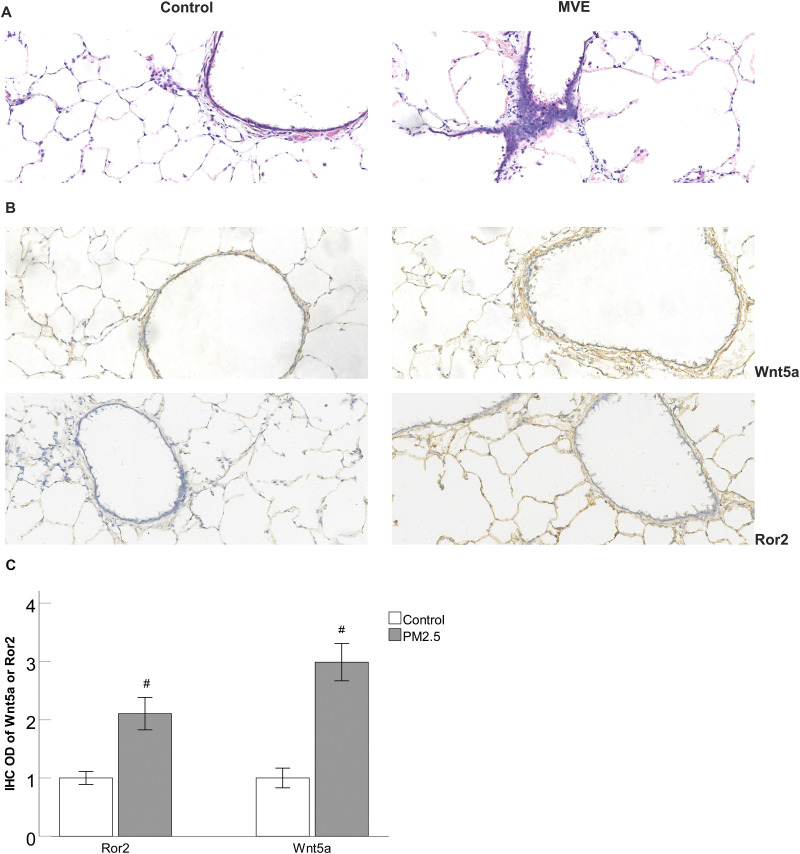
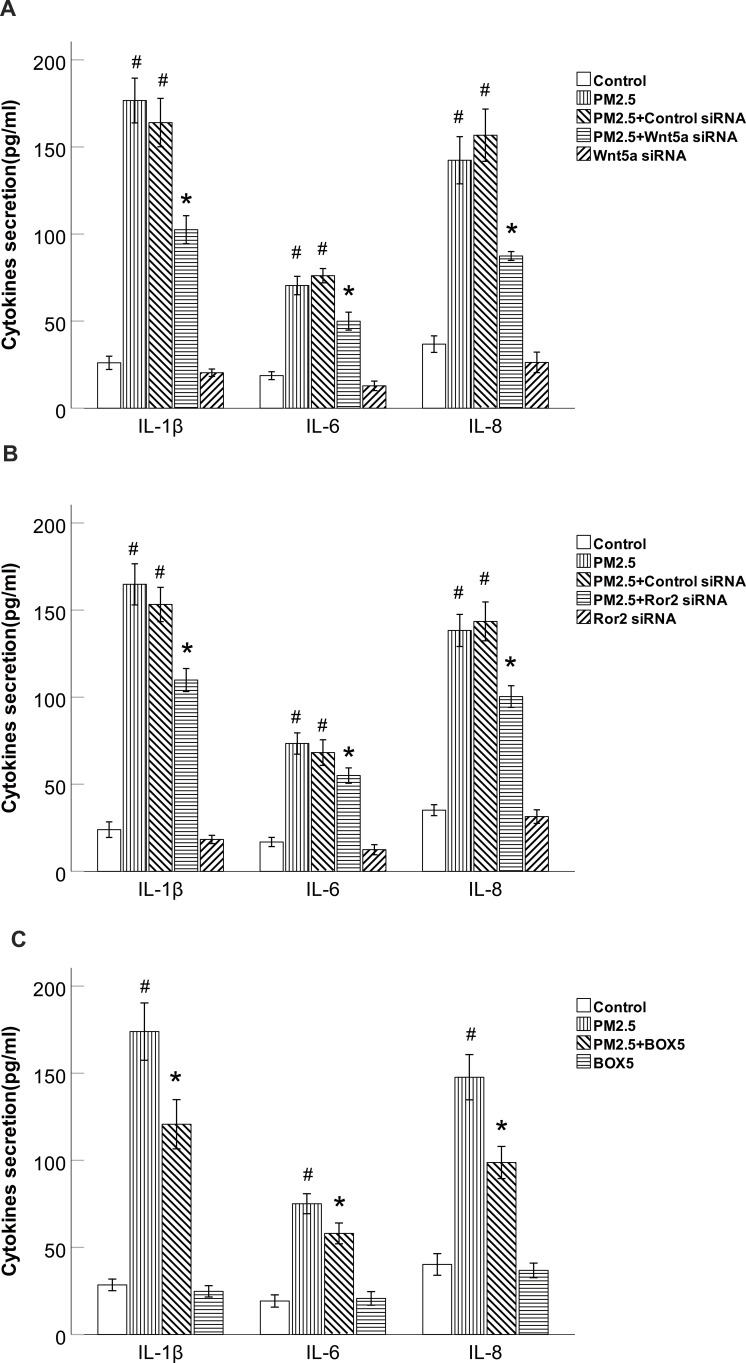
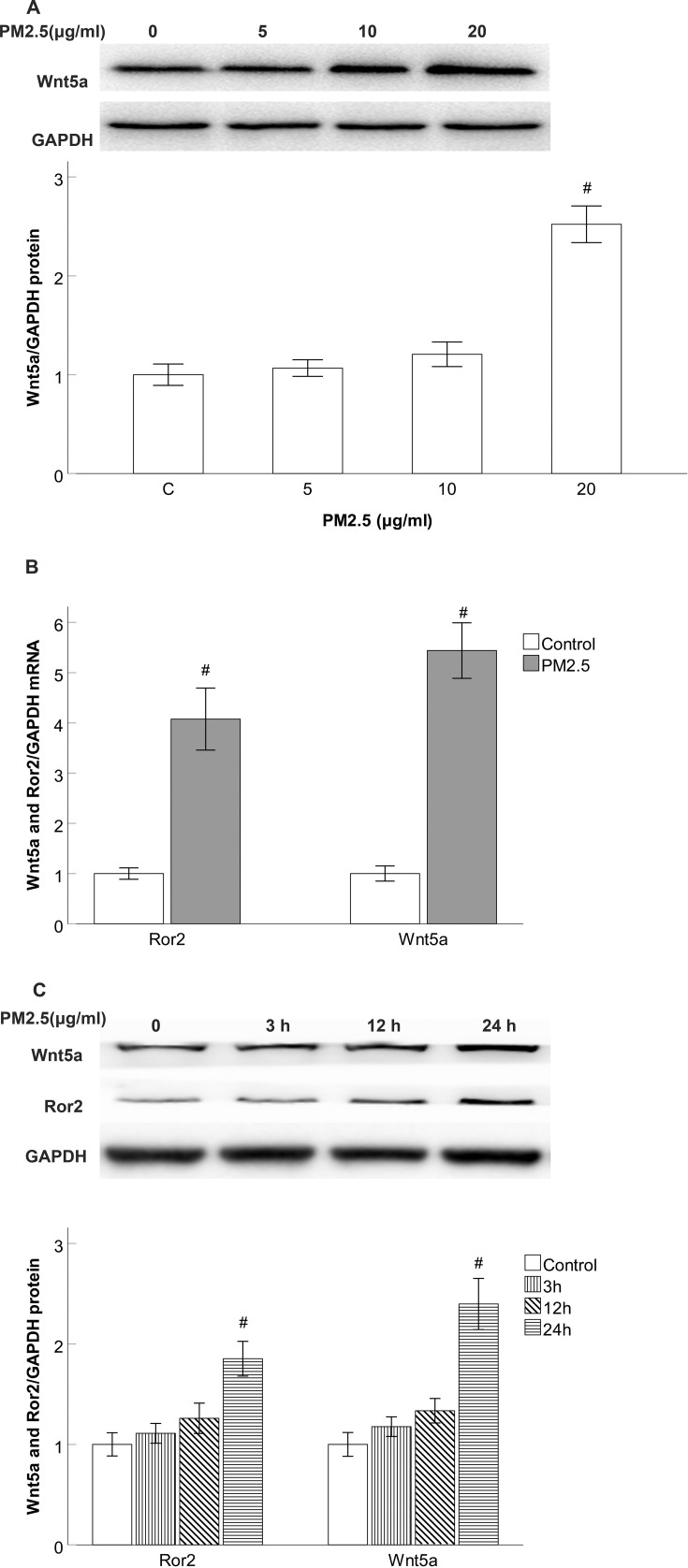
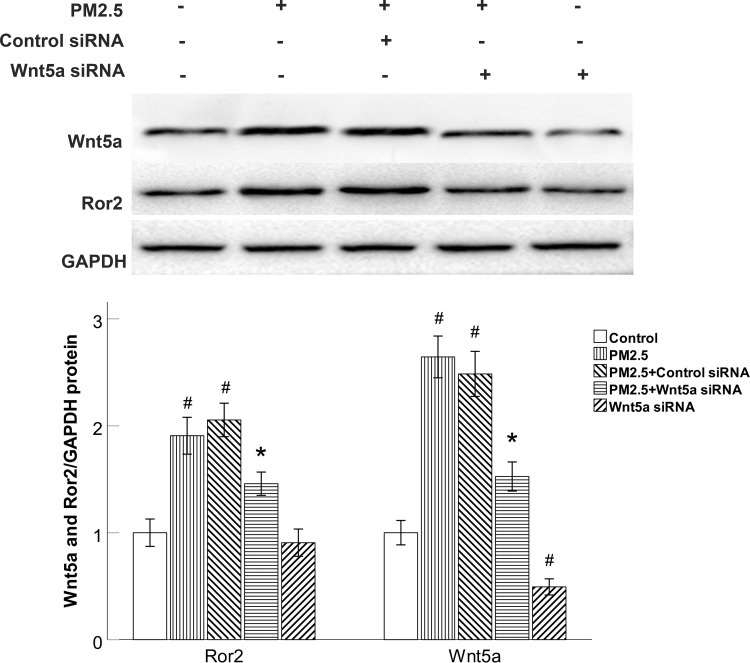
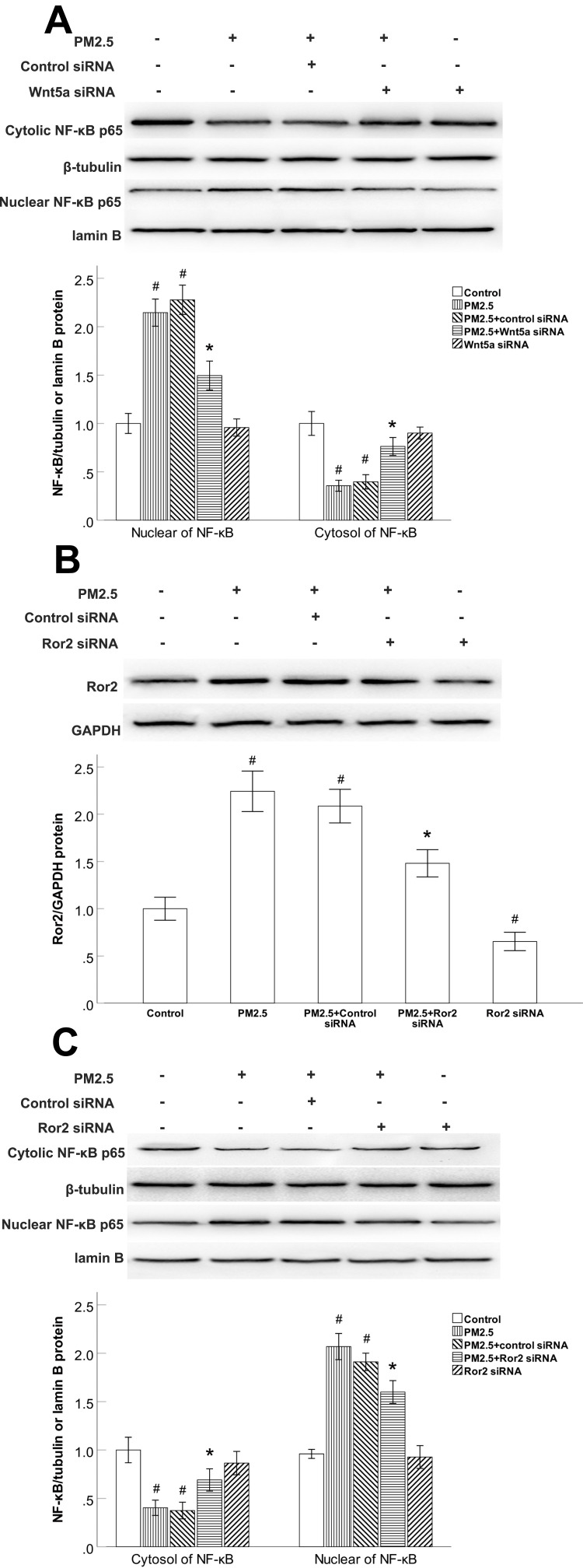
Both Wnt5a and Ror2 protein were increased in the lung of MVE-induced rats. HBECs exposed to PM2.5 for 24 h significantly upregulated Wnt5a and Ror2 expression and subsequently promoted the nuclear translocation of NF-κB, which increased the production of IL-1β, IL-6 and IL-8. Wnt5a siRNA prevented these outcomes. Wnt5a antagonist (BOX5) also prevented inflammatory effects. Furthermore, Ror2 siRNA blocked the NF-κB activity and inhibited the release of IL-6, IL-8 and IL-1β from PM2.5-exposed HBECs.
PM2.5 induces the secretion of IL-6, IL-8 and IL-1β in HBECs via the Wnt5a/Ror2 signaling, demonstrating a novel mechanism for PM2.5-associated airway inflammation.
近期,细颗粒物(PM2.5)被确认为慢性阻塞性肺疾病(COPD)的主要暴露风险因素,且炎症在COPD的发展过程中起核心作用。在本研究中,我们调查了PM2.5是否能在体外通过无翅相关整合位点5A(Wnt5a)/受体酪氨酸激酶样孤儿受体2(Ror2)信号通路诱导人支气管上皮细胞(HBECs)分泌白细胞介素-6(IL-6)、IL-8和IL-1β。
通过免疫组织化学法评估机动车尾气(MVE)诱导的Sprague-Dawley大鼠中Wnt5a和Ror2的表达。用靶向Wnt5a或Ror2的小干扰RNA(siRNA)转染HBECs,随后用PM2.5刺激。通过酶联免疫吸附测定(ELISA)评估IL-6、IL-8和IL-1β的分泌情况,通过逆转录-聚合酶链反应(RT-PCR)和蛋白质免疫印迹法评估Wnt5a/Ror2信号通路的表达。
MVE诱导的大鼠肺组织中Wnt5a和Ror2蛋白均增加。暴露于PM2.5 24小时小时的HBECs显著上调Wnt5a和Ror2的表达,随后促进核因子κB(NF-κB)的核转位,从而增加IL-1β、IL-6和IL-8的产生。Wnt5a siRNA可阻止这些结果。Wnt5a拮抗剂(BOX5)也可阻止炎症效应。此外,Ror2 siRNA可阻断NF-κB活性,并抑制PM2.5暴露的HBECs释放IL-6、IL-8和IL-1β。
PM2.5通过Wnt5a/Ror2信号通路诱导HBECs分泌IL-6、IL-8和IL-1β,揭示了PM2.5相关气道炎症的一种新机制。