Department of Psychology, Towson University, 8000 York Road, Towson, MD, 21252, USA.
Department of Psychology, The Pennsylvania State University, 140 Moore Building, University Park, PA, 16801, USA.
Behav Res Ther. 2020 Dec;135:103759. doi: 10.1016/j.brat.2020.103759. Epub 2020 Oct 27.
Many individuals believe that worry helps solve real-life problems. Some researchers also purport that nonpathological worry can aid problem solving. However, this is in contrast to evidence that worry impairs cognitive functioning.
This was the first study to empirically test the effects of a laboratory-based worry induction on problem-solving abilities.
Both high (n = 96) and low (n = 89) trait worriers described a current problem in their lives. They were then randomly assigned to contemplate their problem in a worrisome (n = 60) or objective (n = 63) manner or to engage in a diaphragmatic breathing task (n = 62). All participants subsequently generated solutions and then selected their most effective solution. Next, they rated their confidence in the solution's effectiveness, their likelihood to implement the solution, and their current anxiety/worry. Experimenters uninformed of condition also rated solution effectiveness.
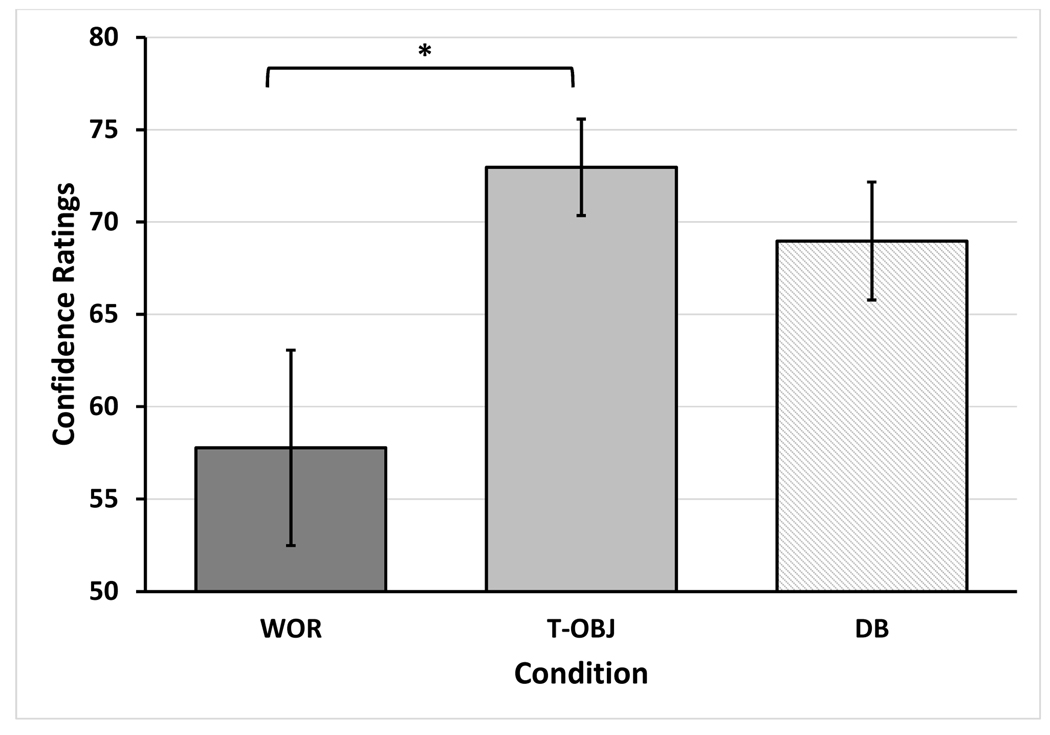
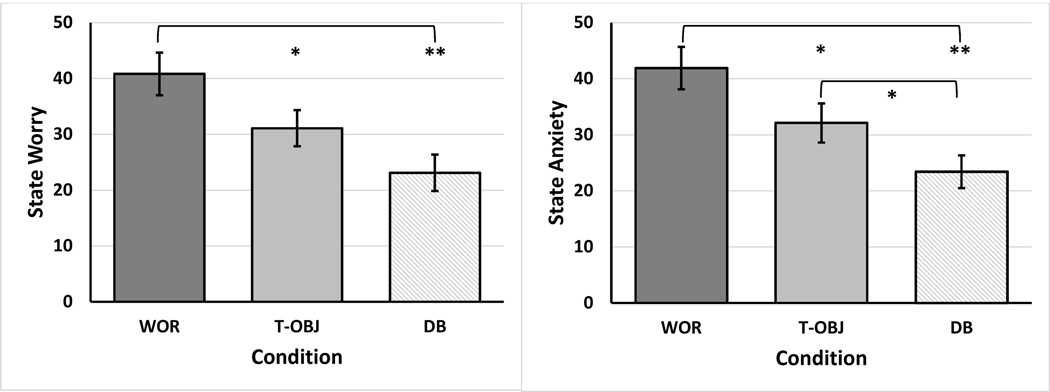
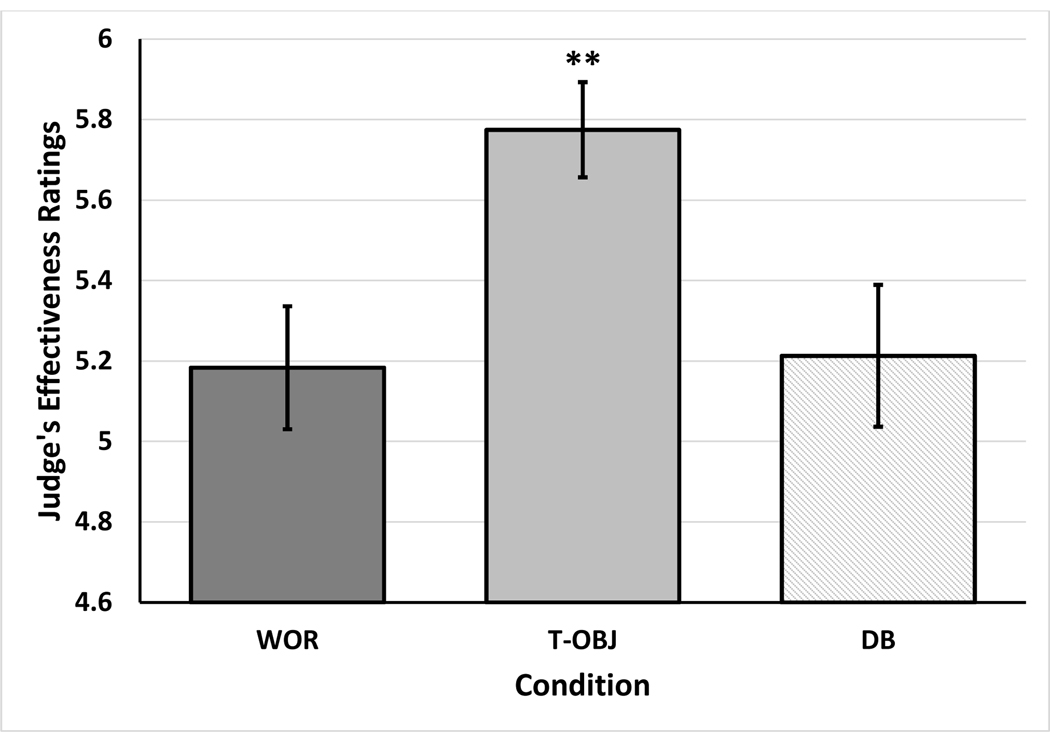
The worry induction led to lower reported confidence in solutions for high trait worry participants, and lower experimenter-rated effectiveness of solutions for all participants, relative to objective thinking. Further, state worry predicted less reported intention to implement solutions, while controlling for trait worry. Finally, worrying about the problem led to more elevated worry and anxiety after solving the problem compared to the other two conditions.
Overall, the worry induction impaired problem solving on multiple levels, and this was true for both high and low trait worriers.
许多人认为担忧有助于解决现实生活中的问题。一些研究人员还声称,非病理性的担忧可以帮助解决问题。然而,这与担忧会损害认知功能的证据相悖。
这是第一项实证研究,旨在检验基于实验室的担忧诱发对解决问题能力的影响。
高(n=96)和低(n=89)特质担忧者都描述了他们生活中的一个当前问题。然后,他们被随机分配以担忧(n=60)或客观(n=63)的方式思考他们的问题,或者进行膈肌呼吸任务(n=62)。所有参与者随后生成解决方案,然后选择他们认为最有效的解决方案。接下来,他们评估解决方案的有效性、实施解决方案的可能性以及当前的焦虑/担忧程度。不知情的实验者也对解决方案的有效性进行了评估。
担忧诱发导致高特质担忧者报告的解决方案的信心降低,所有参与者报告的解决方案的有效性降低,与客观思维相比。此外,状态担忧预测报告的实施解决方案的意图减少,同时控制了特质担忧。最后,与其他两种情况相比,担心问题会导致在解决问题后更明显的担忧和焦虑。
总的来说,担忧诱发在多个层面上损害了问题解决能力,对于高特质担忧者和低特质担忧者都是如此。