Wang Wei, Fang Qin, Zhang Zhihao, Wang Daowen, Wu Lujin, Wang Yan
Division of Cardiology, Department of Internal Medicine, Tongji Hospital, Tongji Medical College, Huazhong University of Science and Technology, Wuhan, China.
Hubei Key Laboratory of Genetics and Molecular Mechanisms of Cardiological Disorders, Huazhong University of Science and Technology, Wuhan, China.
Front Pharmacol. 2020 Oct 8;11:528267. doi: 10.3389/fphar.2020.528267. eCollection 2020.
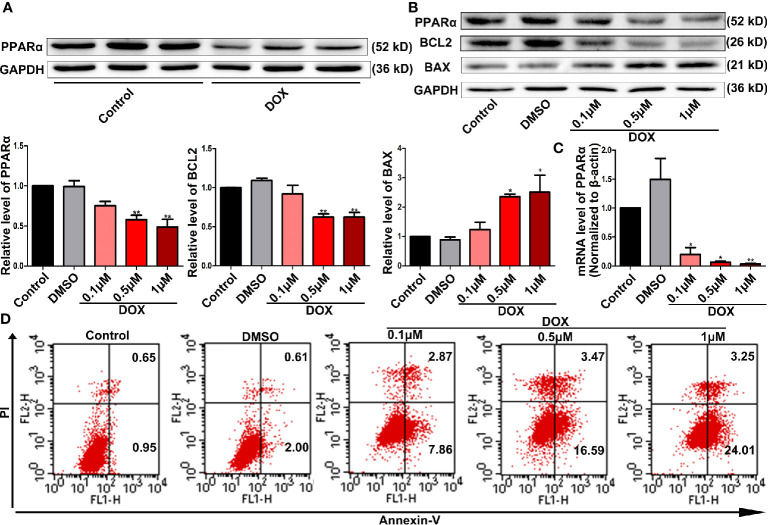
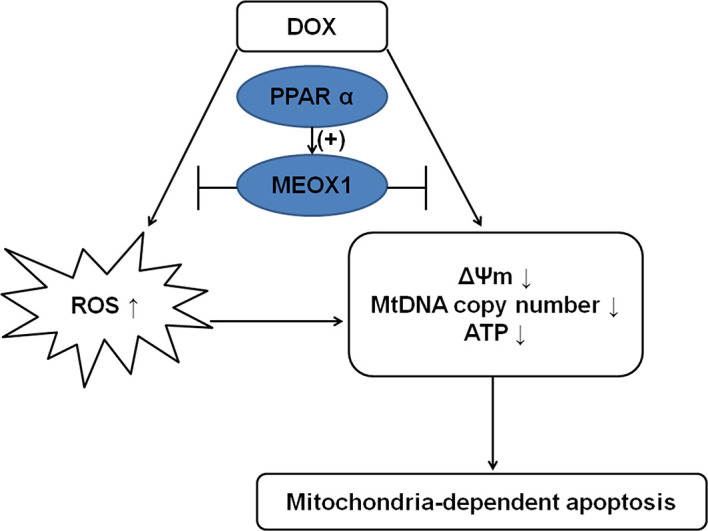
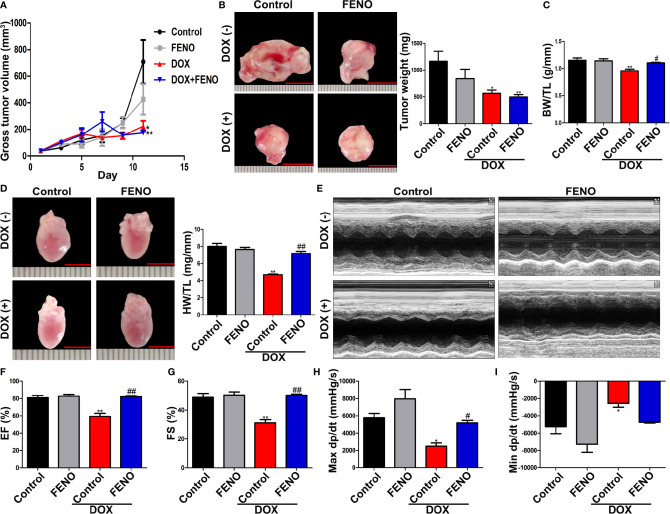
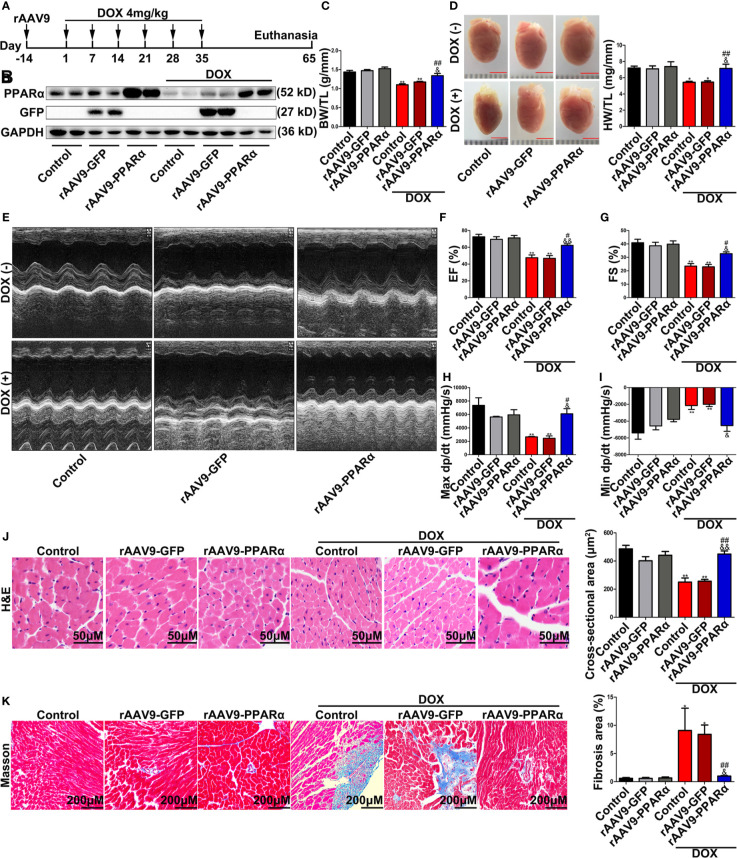
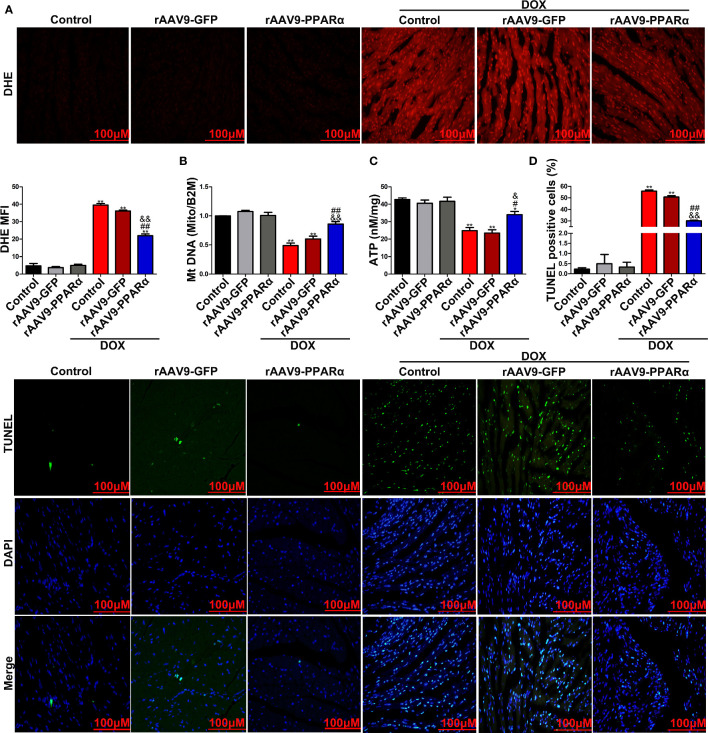
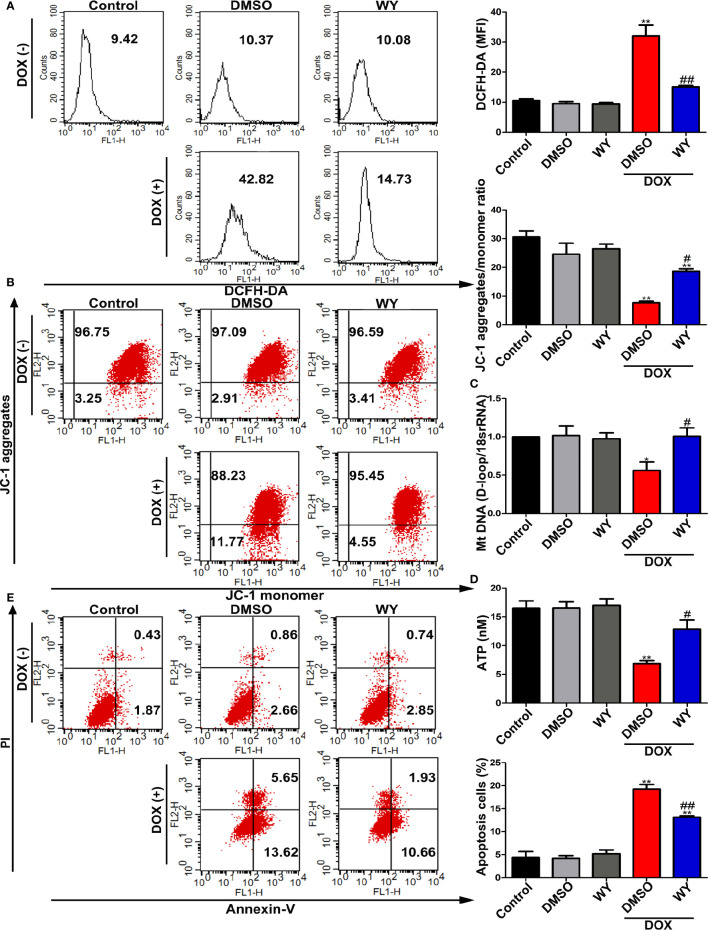
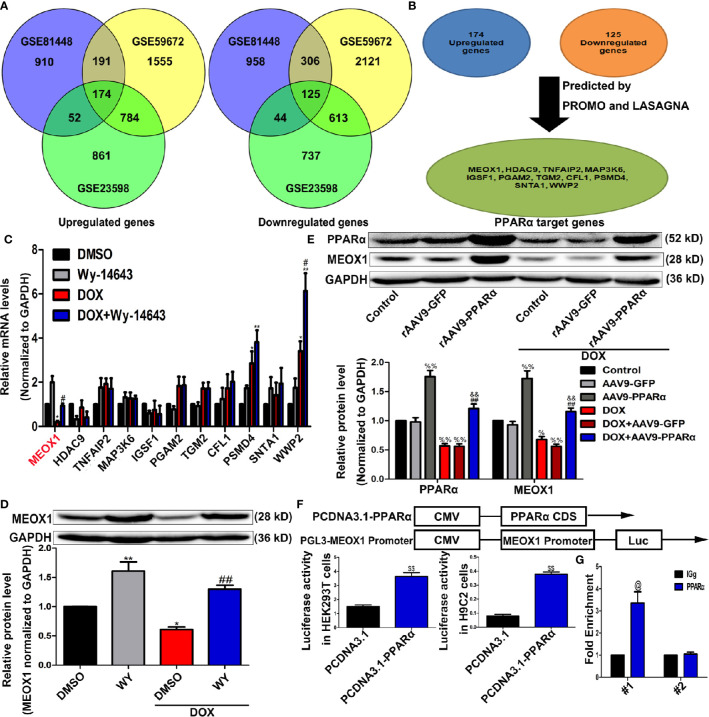
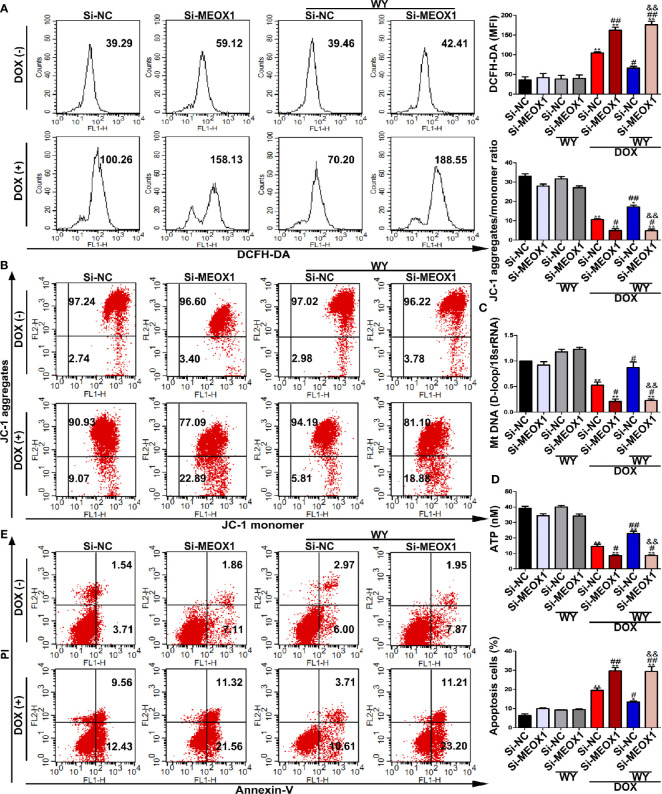
Doxorubicin (DOX), a chemotherapeutic drug widely used in the clinical setting, is known to cause serious cardiotoxicity and greatly reduces the survival rate as well as quality of life of patients receiving chemotherapy. Peroxisome proliferation activated receptor α (PPARα) is a type of ligand activated receptor of the nuclear hormone receptor family that regulates multiple gene expression. Several studies have shown that PPARα has anti-apoptotic and cardio-protective effects. However, its role in DOX-induced cardiotoxicity is rarely reported. In this study, we observed decreased expression of PPARα in the heart of tumor-bearing mice already treated with DOX; however, no such phenomenon was observed in tumor tissues. Next, we observed that the PPARα agonist, fenofibrate (FENO), had no effect on tumor progression; however, it enhanced cardiac function in tumor-bearing mice treated with DOX. Subsequently, recombinant adeno-associated virus serotype 9 (rAAV9) was used to manipulate the expression of PPARα in the heart of DOX-induced mice. Our results showed that PPARα gene delivery reduced cardiac dysfunction and mitochondria-dependent apoptosis in DOX-induced mice. Furthermore, we found that PPARα directly regulated the expression of mesenchyme homeobox 1 (MEOX1). Most importantly, the cardioprotective effects of PPARα could be neutralized by knocking down MEOX1. In summary, PPARα plays a vital role in DOX-induced cardiotoxicity and is a promising treatment target.
阿霉素(DOX)是一种在临床中广泛使用的化疗药物,已知会引起严重的心脏毒性,并大大降低接受化疗患者的生存率和生活质量。过氧化物酶体增殖物激活受体α(PPARα)是核激素受体家族的一种配体激活受体,可调节多种基因表达。多项研究表明,PPARα具有抗凋亡和心脏保护作用。然而,其在阿霉素诱导的心脏毒性中的作用鲜有报道。在本研究中,我们观察到已接受阿霉素治疗的荷瘤小鼠心脏中PPARα表达降低;然而,在肿瘤组织中未观察到这种现象。接下来,我们观察到PPARα激动剂非诺贝特(FENO)对肿瘤进展没有影响;然而,它增强了接受阿霉素治疗的荷瘤小鼠的心脏功能。随后,使用重组腺相关病毒9型(rAAV9)来调控阿霉素诱导小鼠心脏中PPARα的表达。我们的结果表明,PPARα基因传递减少了阿霉素诱导小鼠的心脏功能障碍和线粒体依赖性凋亡。此外,我们发现PPARα直接调节间充质同源盒1(MEOX1)的表达。最重要的是,敲低MEOX1可抵消PPARα的心脏保护作用。总之,PPARα在阿霉素诱导的心脏毒性中起关键作用,是一个有前景的治疗靶点。