Biomedical Research and Innovation Platform, South African Medical Research Council, Tygerberg, P.O. Box 19070, Cape Town, 7505, South Africa.
Centre for Cardio-Metabolic Research in Africa, Division of Medical Physiology, Faculty of Medicine and Health Sciences, Stellenbosch University, Tygerberg, 7505, South Africa.
Arch Toxicol. 2022 Jun;96(6):1541-1550. doi: 10.1007/s00204-022-03262-w. Epub 2022 Mar 25.
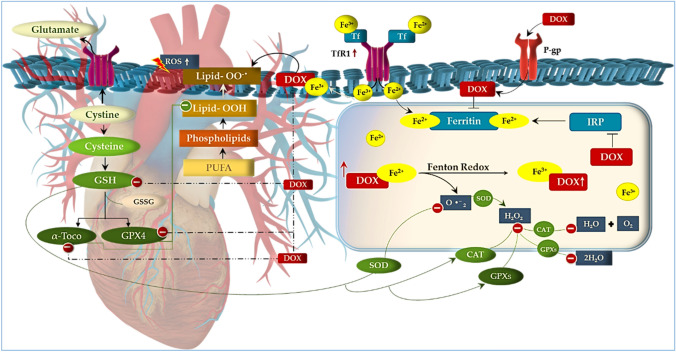
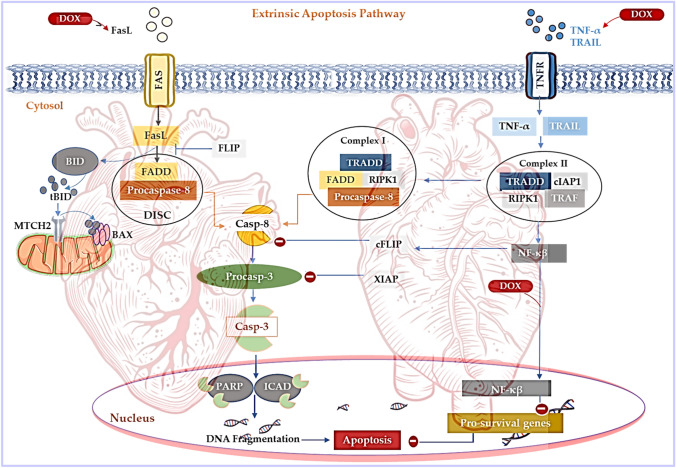
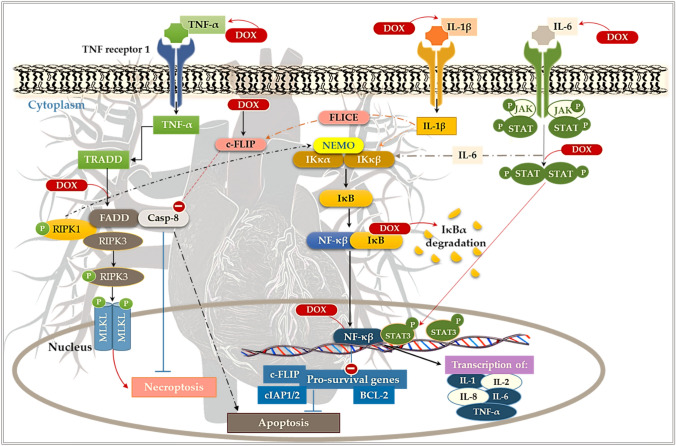
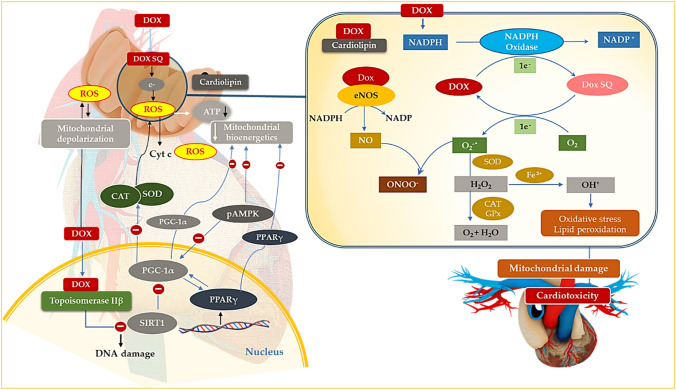
A breakthrough in oncology research was the discovery of doxorubicin (Dox) in the 1960's. Unlike other chemotherapy drugs, Dox was determined to have a greater therapeutic index. Since its discovery, Dox has, in part, contributed to the 5-10-year survival increase in cancer patient outcomes. Unfortunately, despite its efficacy, both in adult and pediatric cancers, the clinical significance of Dox is tainted by its adverse side effects, which usually manifest as cardiotoxicity. The issue stems from Dox's lack of specificity which prevents it from accurately distinguishing between cancer cells and healthy cell lines, like cardiomyocytes. In addition, the high binding affinity of Dox to topoisomerases, which are abundantly found in cancer and cardiac cells in different isoforms, potentiates DNA damage. In both cell lines, Dox induces cytotoxicity by stimulating the production of pro-oxidants whilst inhibiting antioxidant enzymatic activity. Given that the cardiac muscle has an inherently low antioxidant capacity makes it susceptible to oxidative damage thereby, allowing the accumulation of Dox within the myocardium. Subsequently, Dox drives the activation of cell death pathways, such as ferroptosis, necroptosis and apoptosis by triggering numerous cellular responses that have been implicated in diseases. To date, the exact mechanism by which Dox induces the cardiotoxicity remains an aspect of much interest in cardio-oncology research. Hence, the current review summarizes the proposed mechanisms that are associated with the onset and progression of DIC.
肿瘤学研究的一个突破是在 20 世纪 60 年代发现了多柔比星(Dox)。与其他化疗药物不同,Dox 被确定具有更大的治疗指数。自发现以来,Dox 在一定程度上导致了癌症患者预后的 5-10 年生存率的提高。不幸的是,尽管 Dox 在成人和儿科癌症中都具有疗效,但它的临床意义却因其不良反应而受到影响,这些不良反应通常表现为心脏毒性。问题源于 Dox 的缺乏特异性,这使得它无法准确区分癌细胞和健康细胞系,如心肌细胞。此外,Dox 与拓扑异构酶的高结合亲和力,这些拓扑异构酶在不同同工型的癌症和心脏细胞中大量存在,增强了 DNA 损伤。在这两种细胞系中,Dox 通过刺激促氧化剂的产生和抑制抗氧化酶活性来诱导细胞毒性。由于心肌固有抗氧化能力低,容易受到氧化损伤,从而允许 Dox 在心肌内积累。随后,Dox 通过触发许多与疾病相关的细胞反应,如铁死亡、坏死性凋亡和细胞凋亡,驱动细胞死亡途径的激活。迄今为止,Dox 诱导心脏毒性的确切机制仍然是心脏肿瘤学研究中非常关注的一个方面。因此,目前的综述总结了与 DIC 发生和进展相关的拟议机制。