PLoS Negl Trop Dis. 2020 Nov 2;14(11):e0008771. doi: 10.1371/journal.pntd.0008771. eCollection 2020 Nov.
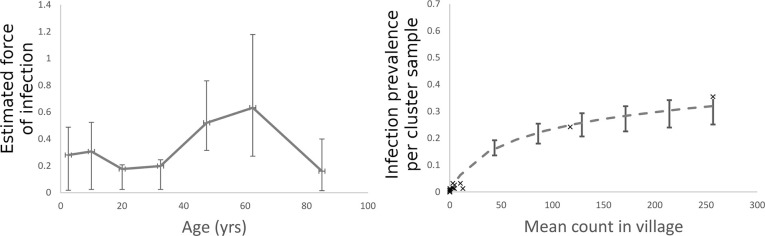
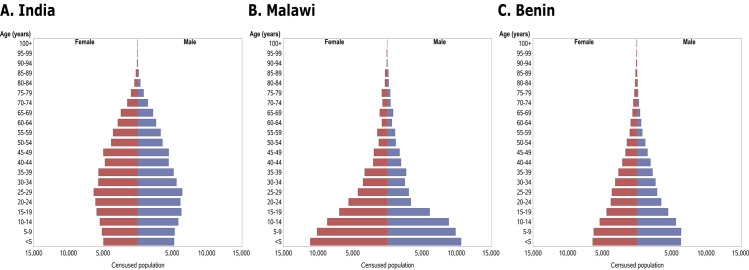
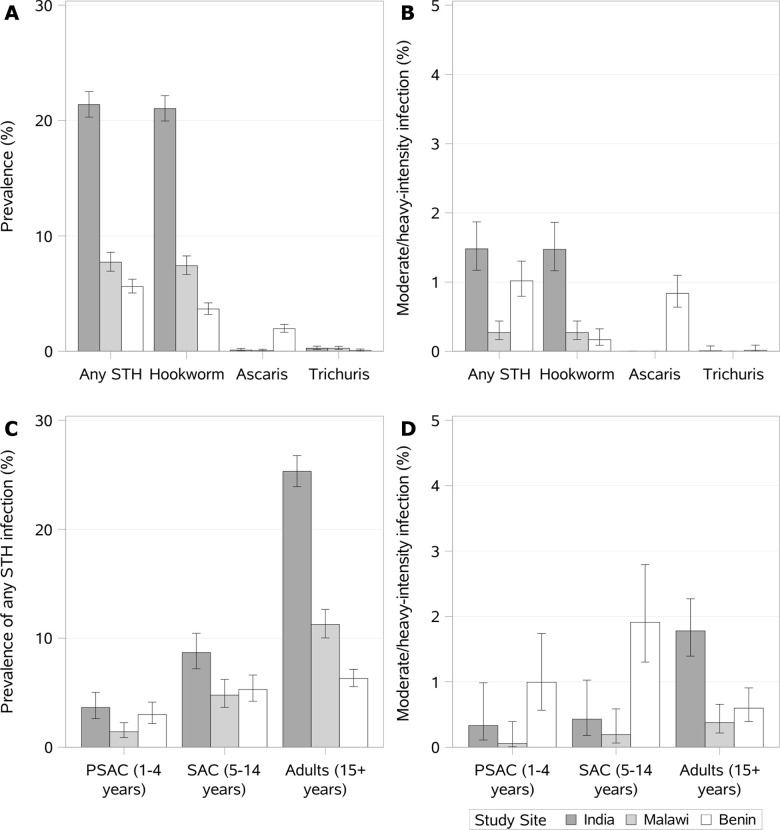
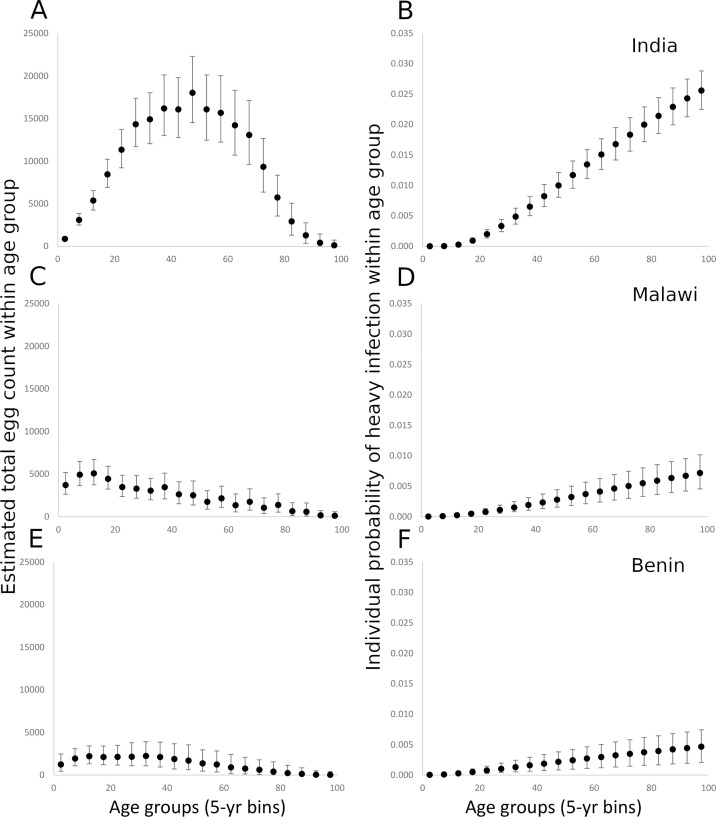
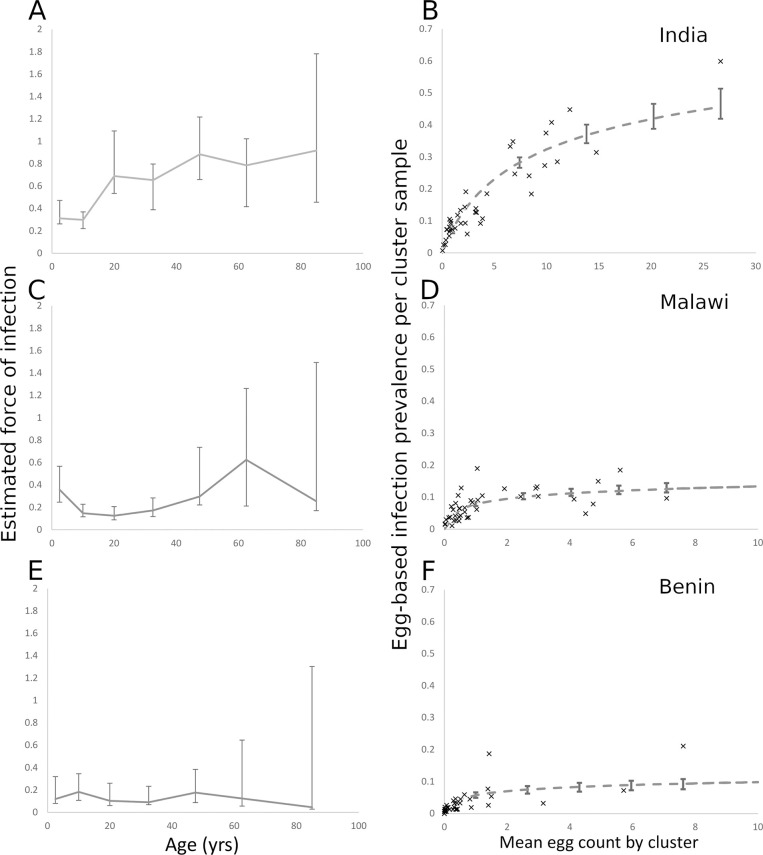
Global efforts to control morbidity associated with soil-transmitted helminth infections (STH) have focused largely on the targeted treatment of high-risk groups, including children and pregnant women. However, it is not clear when such programs can be discontinued and there are concerns about the sustainability of current STH control programs. The DeWorm3 project is a large multi-country community cluster randomized trial in Benin, India and Malawi designed to determine the feasibility of interrupting the transmission of STH using community-wide delivery of mass drug administration (MDA) with anthelmintics over multiple rounds. Here, we present baseline data and estimate key epidemiological parameters important in determining the likelihood of transmission interruption in the DeWorm3 trial. A baseline census was conducted in October-December 2017 in India, November-December 2017 in Malawi and in January-February 2018 in Benin. The baseline census enumerated all members of each household and collected demographic data and information on occupation, assets, and access to water, sanitation and hygiene (WASH). Each study site was divided into 40 clusters of at least 1,650 individuals per cluster. Clusters were randomized to receive twice yearly community-wide MDA with albendazole (GSK) targeting eligible individuals of all ages (20 clusters), or to receive the standard-of-care deworming program targeting children provided in each country. In each site, a randomly selected group of 150 individuals per cluster (6,000 total per site) was selected from the baseline census using stratified random sampling, and each individual provided a single stool sample for analysis of STH infection using the Kato-Katz technique. Study site, household and individual characteristics were summarized as appropriate. We estimated key epidemiological parameters including the force of infection and the degree of parasite aggregation within the population. The DeWorm3 sites range in population from 94,969 to 140,932. The population age distribution varied significantly by site, with the highest proportion of infants and young children in Malawi and the highest proportion of adults in India. The baseline age- and cluster-weighted prevalence, as measured by Kato-Katz, varied across sites and by species, Baseline hookworm prevalence in India was 21.4% (95% CI: 20.4-22.4%), while prevalence of Ascaris and Trichuris by Kato-Katz was low (0.1% and 0.3% overall). In Malawi, the overall age- and cluster-weighted STH prevalence was 7.7% (95% CI: 7.1-8.4%) predominantly driven by hookworm infections (7.4%) while Ascaris (0.1%) and Trichuris (0.3%) infections were rare. In Benin, the overall age- and cluster-weighted prevalence was significantly lower (5.6%, 95% CI: 5.1-6.2%) and Ascaris (2.0%, 95% CI: 1.6-2.3%) was more common than in other sites. Ascaris infections were more likely to be moderate- or heavy-intensity (43.7%, unweighted) compared to hookworm (5.0%). The force of infection for hookworm was highest in adults in India and Malawi but appeared relatively stable across age groups in Benin. These data demonstrate the significant variability between the sites in terms of demography, socio-economic status and environmental characteristics. In addition, the baseline prevalence and intensity data from DeWorm3 suggest that each site has unique epidemiologic characteristics that will be critical in determining correlates of achieving STH transmission interruption in the DeWorm3 trial. Trial registration: The trial was registered at ClinicalTrials.gov (NCT03014167).
全球努力控制与土壤传播性蠕虫感染(STH)相关的发病率,主要集中在针对高危人群,包括儿童和孕妇的靶向治疗上。然而,目前尚不清楚这些项目何时可以停止,并且人们对当前 STH 控制项目的可持续性存在担忧。DeWorm3 项目是一项在贝宁、印度和马拉维进行的大型多国社区集群随机试验,旨在确定使用驱虫药在多个轮次中对所有人群进行大规模药物管理(MDA)以中断 STH 传播的可行性。在这里,我们介绍基线数据,并估计在 DeWorm3 试验中确定传播中断可能性的重要关键流行病学参数。2017 年 10 月至 12 月在印度、2017 年 11 月至 12 月在马拉维和 2018 年 1 月至 2 月在贝宁进行了基线普查。基线普查对每个家庭的所有成员进行了普查,并收集了人口统计数据以及职业、资产和获得水、环境卫生和个人卫生(WASH)的信息。每个研究地点被分为至少 1650 人的 40 个集群,每个集群都随机分配接受每年两次的针对所有年龄段(20 个集群)的社区范围 MDA,或者接受每个国家提供的标准驱虫计划。在每个地点,从基线普查中使用分层随机抽样方法随机选择每个集群中的 150 名个人(每个地点共 6000 人),每个个人提供一份粪便样本,用于使用加藤技术分析 STH 感染。对研究地点、家庭和个人特征进行了适当的总结。我们估计了关键的流行病学参数,包括感染力度和人群内寄生虫聚集的程度。DeWorm3 站点的人口从 94969 到 140932 不等。人口年龄分布因地点而异,马拉维的婴儿和幼儿比例最高,印度的成年人比例最高。通过加藤-卡茨技术测量的 Kato-Katz 基线年龄加权和集群加权患病率在不同地点和物种之间有所不同。印度的钩虫基线患病率为 21.4%(95%CI:20.4-22.4%),而通过 Kato-Katz 测量的蛔虫和鞭虫的患病率较低(分别为 0.1%和 0.3%)。在马拉维,总体年龄加权和集群加权 STH 患病率为 7.7%(95%CI:7.1-8.4%),主要由钩虫感染(7.4%)驱动,而蛔虫(0.1%)和鞭虫(0.3%)感染则很少见。在贝宁,总体年龄加权和集群加权患病率明显较低(5.6%,95%CI:5.1-6.2%),蛔虫(2.0%,95%CI:1.6-2.3%)比其他地方更为常见。与钩虫(5.0%)相比,蛔虫感染更可能为中度或重度(未加权)。钩虫的感染力度在印度和马拉维的成年人中最高,但在贝宁的各年龄组中相对稳定。这些数据表明,各站点在人口统计学、社会经济地位和环境特征方面存在显著差异。此外,DeWorm3 的基线患病率和强度数据表明,每个站点都具有独特的流行病学特征,这对于确定在 DeWorm3 试验中实现 STH 传播中断的相关性至关重要。试验注册:该试验在 ClinicalTrials.gov(NCT03014167)注册。