Xia Meng, Li Xuena, Diao Yao, Du Bulin, Li Yaming
Department of Nuclear Medicine, The First Hospital of China Medical University, 155 Nanjin Street, Shenyang 110000, China.
Department of Nuclear Medicine, The First Hospital of China Medical University, 155 Nanjin Street, Shenyang 110000, China.
Transl Oncol. 2021 Jan;14(1):100920. doi: 10.1016/j.tranon.2020.100920. Epub 2020 Nov 1.
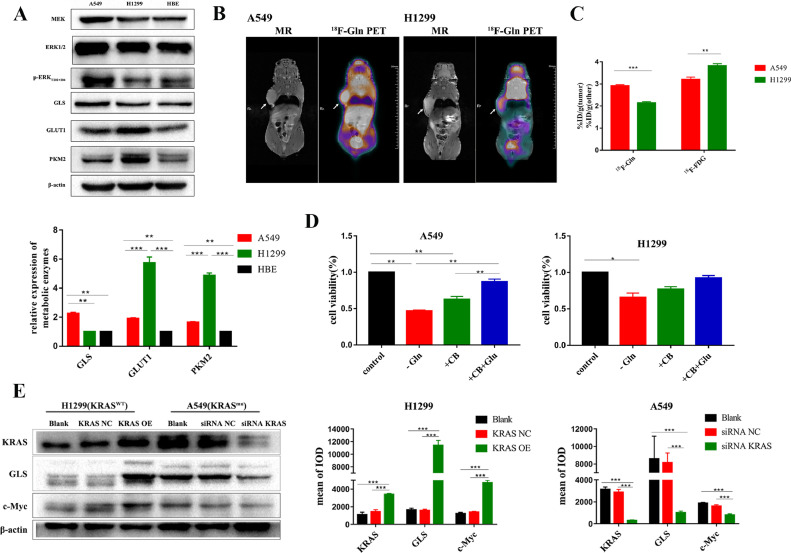
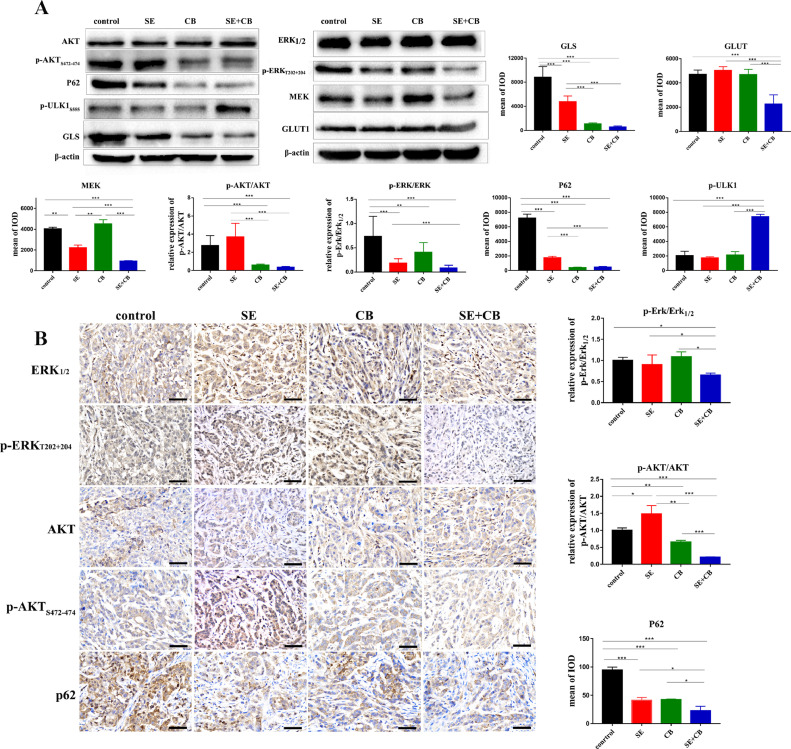
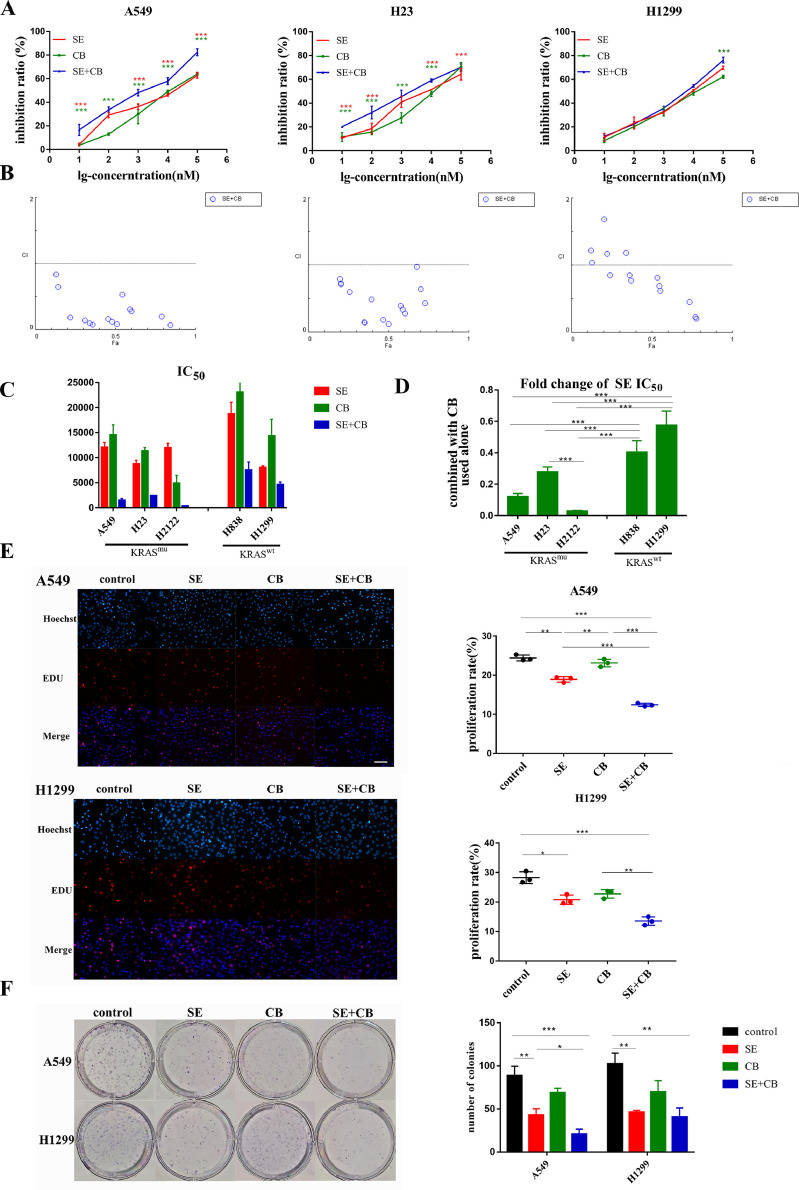
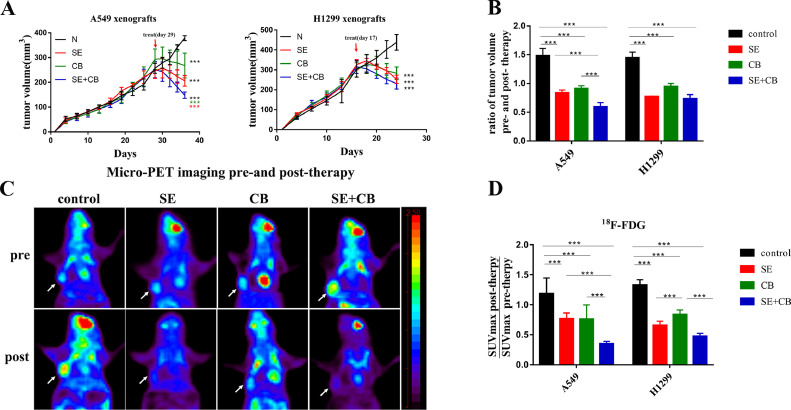
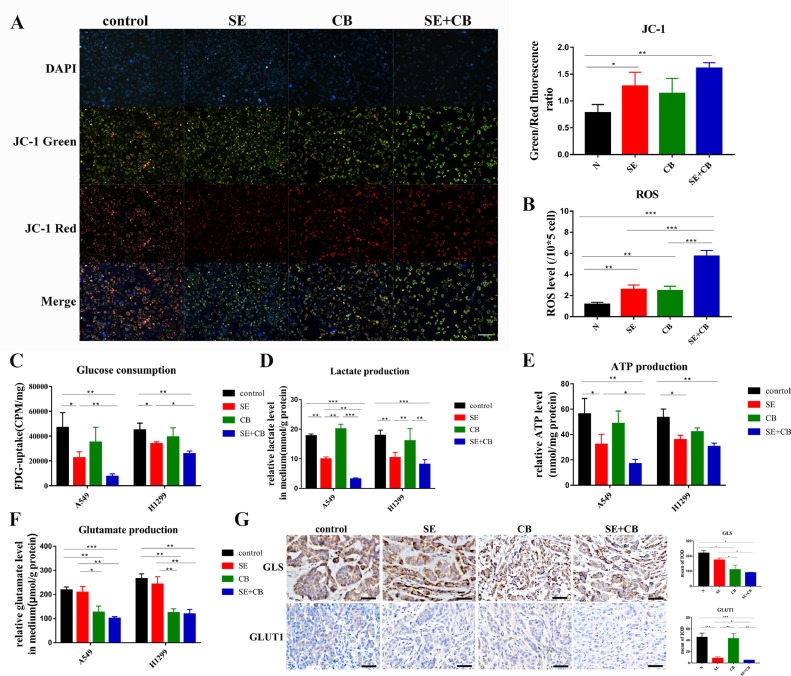
Regulated by the tumor microenvironment, the metabolic network of the tumor is reprogrammed, driven by oncogenes and tumor suppressor genes. The metabolic phenotype of tumors of different driven-genes and different tissue types is extremely heterogeneous. KRAS-mutant non-small cell lung cancer (NSCLC) has glutamine dependence. In this study, we demonstrated that glutamine utilization of KRAS-mutant NSCLC was higher than that of KRAS wild-type. CB839, an efficient glutaminase inhibitor, synergized with the MEK inhibitor selumetinib to enhance antitumor activity in KRAS-mutant NSCLC cells and xenografts, and the therapeutic response could be well identified by F-FDG PET imaging. Combination therapy induced redox stress, manifesting as a decrease in mitochondrial membrane potential and an increase in ROS levels, and energetic stress manifesting as suppression of glycolysis and glutamine degradation. The phosphorylation of AKT was also suppressed. These effects combined to induce autophagy and thereby caused cancer cell death. Our results suggest that dual inhibition of the MEK-ERK pathway and glutamine metabolism activated by KRAS mutation may be an effective treatment strategy for KRAS-driven NSCLC.
在肿瘤微环境的调控下,肿瘤的代谢网络被重新编程,由癌基因和肿瘤抑制基因驱动。不同驱动基因和不同组织类型的肿瘤代谢表型极具异质性。KRAS突变型非小细胞肺癌(NSCLC)具有谷氨酰胺依赖性。在本研究中,我们证明KRAS突变型NSCLC的谷氨酰胺利用率高于KRAS野生型。CB839是一种有效的谷氨酰胺酶抑制剂,与MEK抑制剂司美替尼协同作用,增强对KRAS突变型NSCLC细胞和异种移植瘤的抗肿瘤活性,并且通过F-FDG PET成像可以很好地识别治疗反应。联合治疗诱导氧化还原应激,表现为线粒体膜电位降低和ROS水平升高,以及能量应激,表现为糖酵解和谷氨酰胺降解受到抑制。AKT的磷酸化也受到抑制。这些效应共同诱导自噬,从而导致癌细胞死亡。我们的结果表明,双重抑制由KRAS突变激活的MEK-ERK途径和谷氨酰胺代谢可能是KRAS驱动的NSCLC的有效治疗策略。