Centre de Recerca Ecològica i Aplicacions Forestals (CREAF), 08193 Cerdanyola del Vallès, Barcelona, Spain;
Unitat de Botànica, Departament de Biologia Evolutiva, Ecologia i Ciències Ambientals, Universitat de Barcelona, 08028 Barcelona, Spain.
Proc Natl Acad Sci U S A. 2020 Nov 24;117(47):29720-29729. doi: 10.1073/pnas.2002314117. Epub 2020 Nov 2.
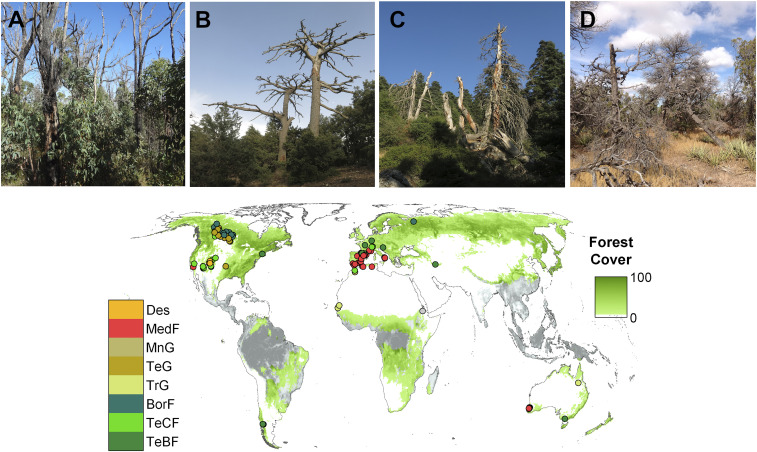
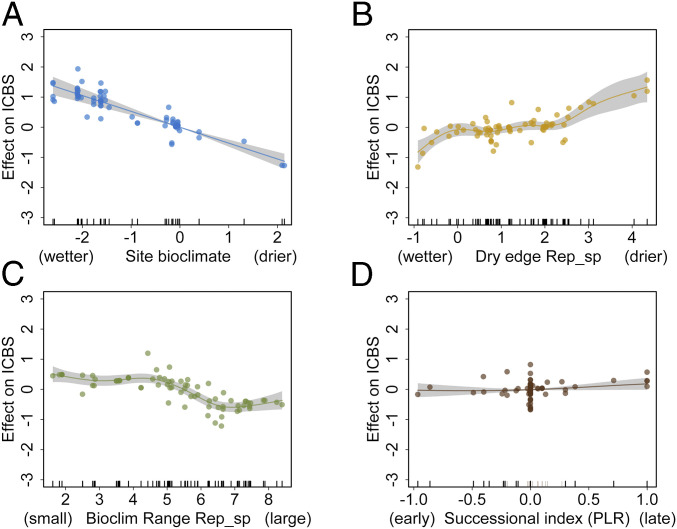
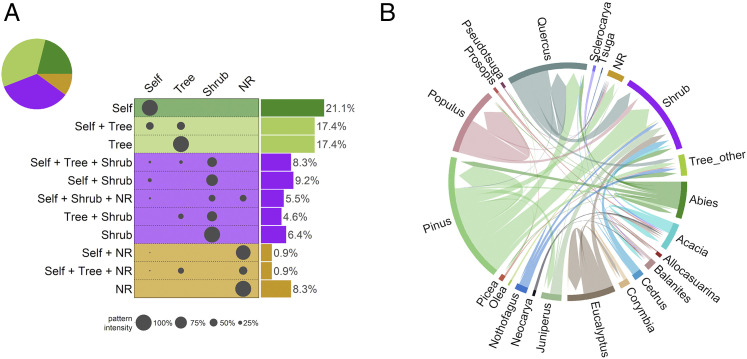
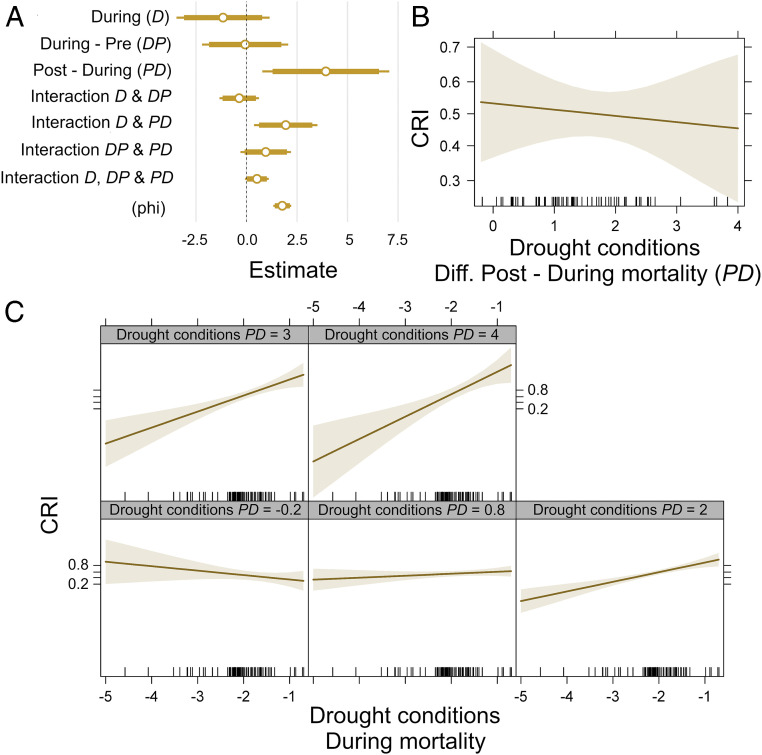
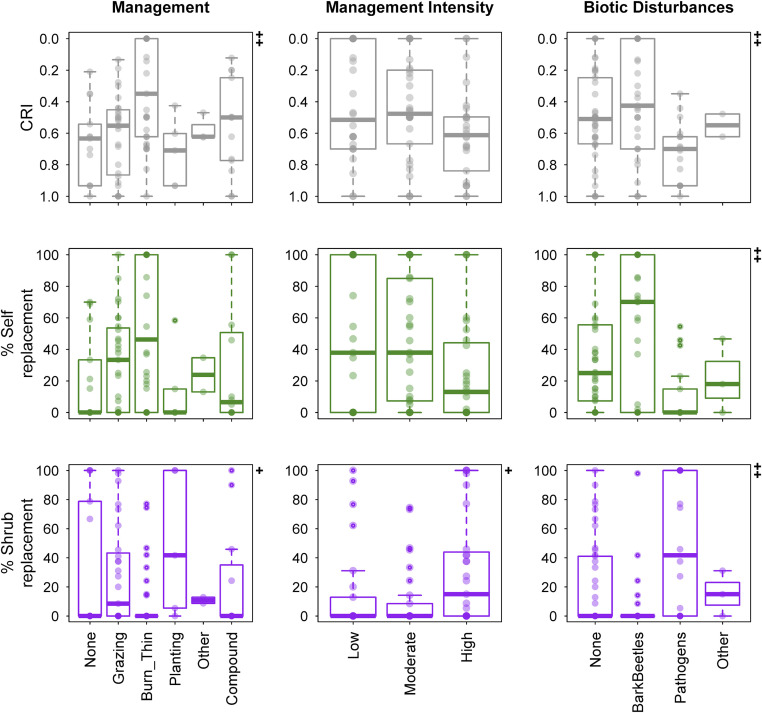
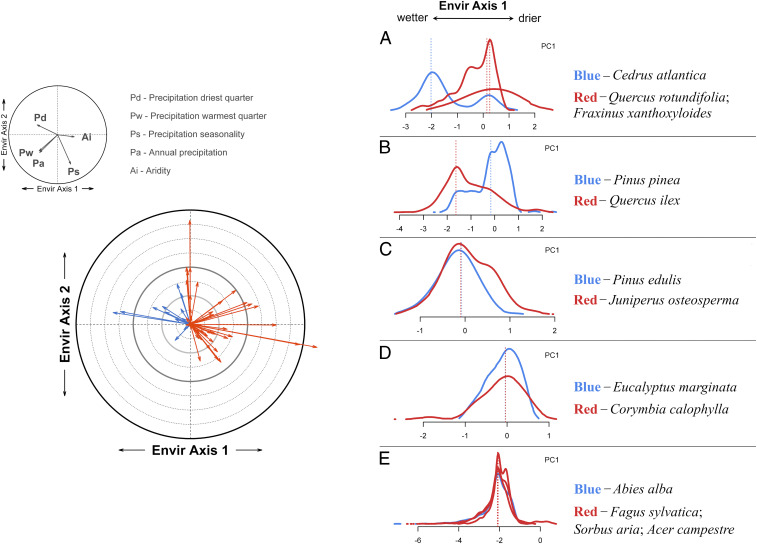
Forest vulnerability to drought is expected to increase under anthropogenic climate change, and drought-induced mortality and community dynamics following drought have major ecological and societal impacts. Here, we show that tree mortality concomitant with drought has led to short-term (mean 5 y, range 1 to 23 y after mortality) vegetation-type conversion in multiple biomes across the world (131 sites). Self-replacement of the dominant tree species was only prevalent in 21% of the examined cases and forests and woodlands shifted to nonwoody vegetation in 10% of them. The ultimate temporal persistence of such changes remains unknown but, given the key role of biological legacies in long-term ecological succession, this emerging picture of postdrought ecological trajectories highlights the potential for major ecosystem reorganization in the coming decades. Community changes were less pronounced under wetter postmortality conditions. Replacement was also influenced by management intensity, and postdrought shrub dominance was higher when pathogens acted as codrivers of tree mortality. Early change in community composition indicates that forests dominated by mesic species generally shifted toward more xeric communities, with replacing tree and shrub species exhibiting drier bioclimatic optima and distribution ranges. However, shifts toward more mesic communities also occurred and multiple pathways of forest replacement were observed for some species. Drought characteristics, species-specific environmental preferences, plant traits, and ecosystem legacies govern postdrought species turnover and subsequent ecological trajectories, with potential far-reaching implications for forest biodiversity and ecosystem services.
在人为气候变化的影响下,森林对干旱的脆弱性预计将会增加,而干旱引起的死亡率和干旱后的群落动态对生态和社会都有重大影响。在这里,我们表明,与干旱相关的树木死亡导致了世界多个生物群落(131 个地点)在短期内(平均 5 年,死亡率后 1 至 23 年的范围)发生植被类型转换。主要树种的自我替代仅在 21%的受检案例中普遍存在,而在 10%的案例中,森林和林地转变为非木质植被。这种变化的最终时间持久性仍然未知,但鉴于生物遗产在长期生态演替中的关键作用,这种新兴的干旱后生态轨迹图景凸显了未来几十年主要生态系统重组的潜力。在较湿润的死亡率后条件下,群落变化不那么明显。替代也受到管理强度的影响,当病原体成为树木死亡率的共同驱动因素时,干旱后灌木优势度更高。群落组成的早期变化表明,通常以中生种为主的森林普遍向更干旱的群落转移,取代的树木和灌木物种具有更干燥的生物气候最佳值和分布范围。然而,也出现了向更湿润群落的转移,并且一些物种观察到了多种森林替代途径。干旱特征、物种特定的环境偏好、植物特征和生态系统遗产控制着干旱后物种更替和随后的生态轨迹,对森林生物多样性和生态系统服务有潜在的深远影响。