Huang Chen, Wu Lili, Liu Ruixia, Li Weijing, Li Zheng, Li Jianqiang, Liu Lihong, Shan Baoen
Department of Hematology, The Fourth Hospital of Hebei Medical University, Shijiazhuang, China.
Hebei Senlang Biotechnology, Shijiazhuang, China.
Ann Transl Med. 2020 Sep;8(17):1048. doi: 10.21037/atm-20-4363.
No effective treatment exist for patients with relapsed and refractory B-cell lymphoma, until the advent of anti-CD19 chimeric antigen receptor (CAR) T-cells. Therefore, this study aimed to explore the factors affecting the efficacy of anti-CD19 CAR T-cell and the adverse reactions of the therapy.
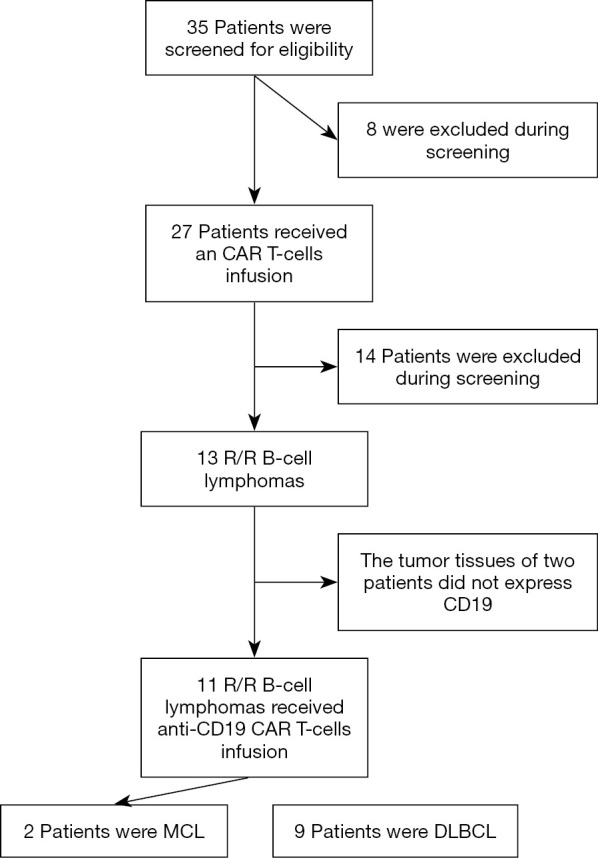
We recruited 11 patients with relapsed and refractory B-cell lymphoma. The number of anti-CD19 CAR T-cells, proliferation, and adverse reactions were recorded in detail, to explore the relationship between the factors affecting the efficacy of anti-CD19 CAR T-cell and the long-term survival of patients.
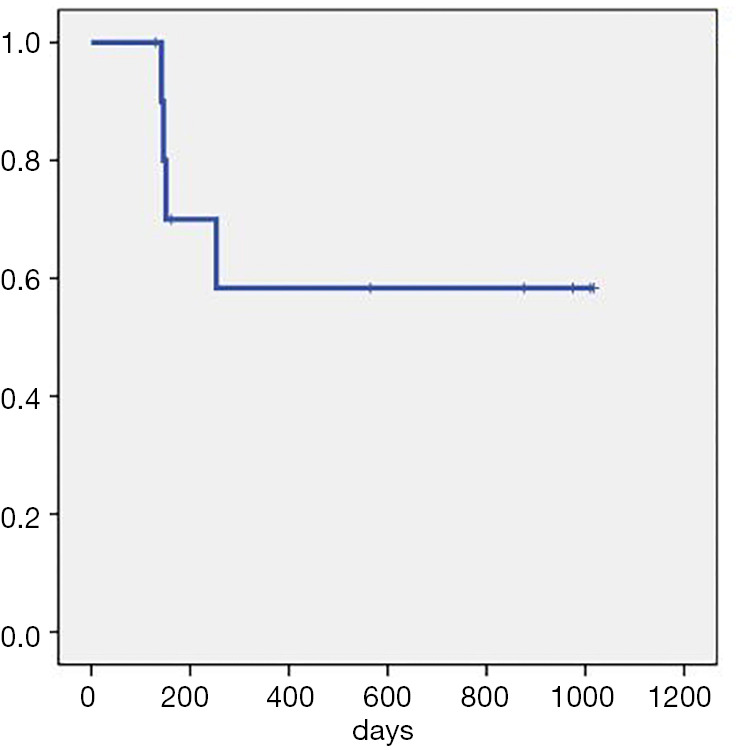
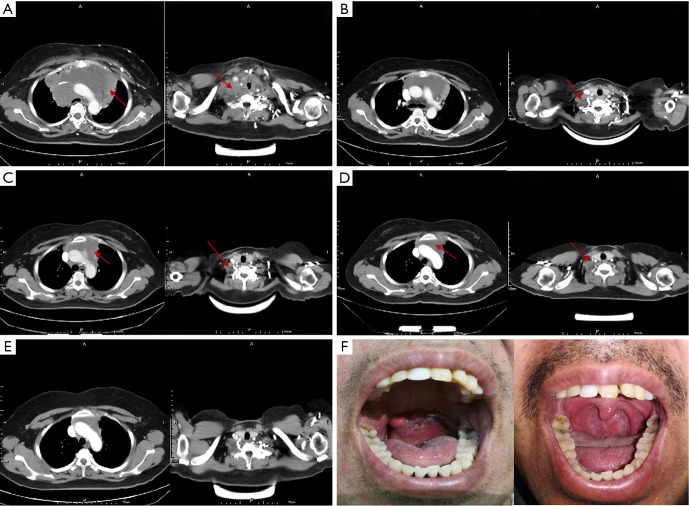
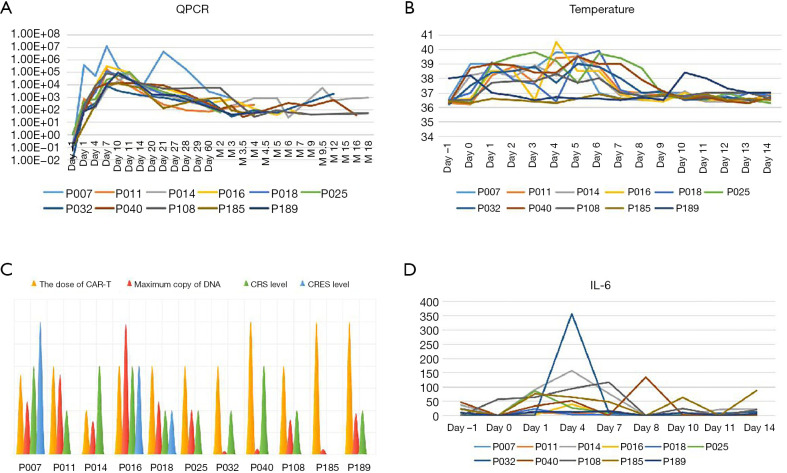
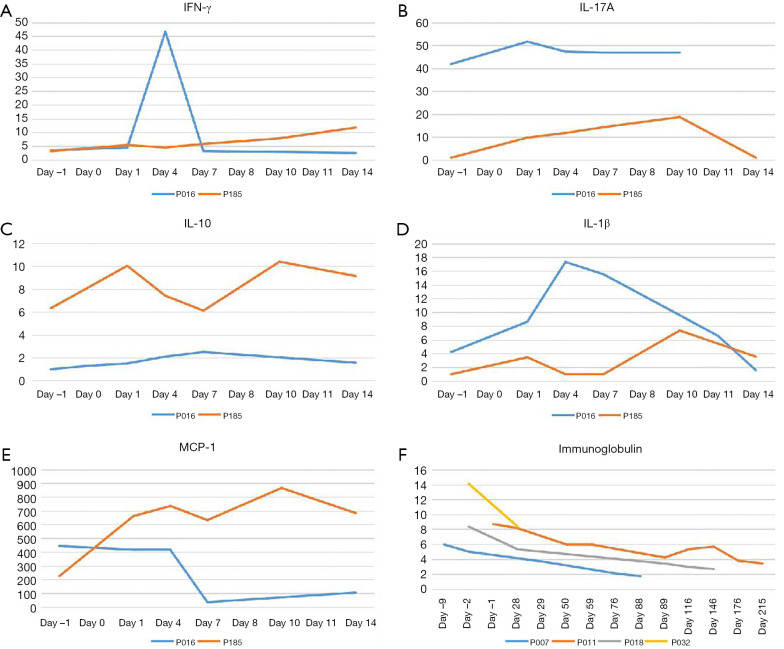
The 11 patients in our study had a total overall response rate of 100%, after receiving anti-CD19 CAR T-cells. The median follow-up was 253 days (range, 130-1,017 days). The median overall survival (OS) and median progression-free survival (PFS) were not reached. After 3 months of treatment, the complete remission (CR) rate was 63.6% (7/11). As of December 7, 2019, 5 patients had maintained CR for a period exceeding 1 year, including 2 patients who had maintained CR for more than 1,000 days. The patients who received 3 or 4 lines of chemotherapy were more likely to have sustained remission than the patients who received <2 or >4 lines of chemotherapy. Each of the 4 patients in the study who had diffuse large B cell lymphoma (DLBCL) progression all had high myc protein expression (positive incidence: 30-80%). The incidence of Grade 2 cytokine release syndrome (CRS) was 36.4% (4/11), and Grade 3 CAR T-cell-related encephalopathy syndrome (CRES) was experienced by 1 patient. The occurrence of adverse reactions was not significantly related to the infusion dose, peak amplification time, or maximum copy amount. The immunoglobulin levels of the four patients who died showed a significant downward trend. Interleukin-1β (IL-1β), interferon-γ (IFN-γ), interleukin-10 (IL-10), and interleukin-17A (IL-17A) appeared to be associated with the occurrence of CRS and CRES.
Anti-CD19 CAR T-cell treatment is a new therapy for patients with relapsed and refractory B-cell lymphoma. Among the small sample size in this study, it demonstrated high efficiency and safety.
在抗CD19嵌合抗原受体(CAR)T细胞出现之前,复发难治性B细胞淋巴瘤患者没有有效的治疗方法。因此,本研究旨在探讨影响抗CD19 CAR T细胞疗效的因素及该疗法的不良反应。
我们招募了11例复发难治性B细胞淋巴瘤患者。详细记录抗CD19 CAR T细胞的数量、增殖情况及不良反应,以探讨影响抗CD19 CAR T细胞疗效的因素与患者长期生存之间的关系。
我们研究中的11例患者接受抗CD19 CAR T细胞治疗后总体缓解率达100%。中位随访时间为253天(范围130 - 1017天)。中位总生存期(OS)和中位无进展生存期(PFS)均未达到。治疗3个月后,完全缓解(CR)率为63.6%(7/11)。截至2019年12月7日,5例患者维持CR超过1年,其中2例维持CR超过1000天。接受3或4线化疗的患者比接受<2线或>4线化疗的患者更易持续缓解。本研究中4例弥漫性大B细胞淋巴瘤(DLBCL)进展的患者均有高myc蛋白表达(阳性率:30 - 80%)。2级细胞因子释放综合征(CRS)的发生率为36.4%(4/11),1例患者发生3级CAR T细胞相关脑病综合征(CRES)。不良反应的发生与输注剂量、峰值扩增时间或最大拷贝数无显著相关性。4例死亡患者的免疫球蛋白水平呈显著下降趋势。白细胞介素-1β(IL-1β)、干扰素-γ(IFN-γ)、白细胞介素-10(IL-10)和白细胞介素-17A(IL-17A)似乎与CRS和CRES的发生有关。
抗CD19 CAR T细胞治疗是复发难治性B细胞淋巴瘤患者的一种新疗法。在本研究的小样本中,它显示出高效和安全性。