Chandupatla Ram Reddy, Flatley Andrew, Feederle Regina, Mandelkow Eva-Maria, Kaniyappan Senthilvelrajan
DZNE-German Center for Neurodegenerative Diseases Bonn Germany.
Institute for Diabetes and Obesity Monoclonal Antibody Core Facility, Helmholtz Center Munich German Research Center for Environmental Health Neuherberg Germany.
Alzheimers Dement (N Y). 2020 Oct 28;6(1):e12097. doi: 10.1002/trc2.12097. eCollection 2020.
Tau, a natively unfolded soluble protein, forms abnormal oligomers and insoluble filaments in several neurodegenerative diseases, including Alzheimer disease (AD). Tau-induced toxicity is mainly due to oligomers rather than monomers or fibrils.
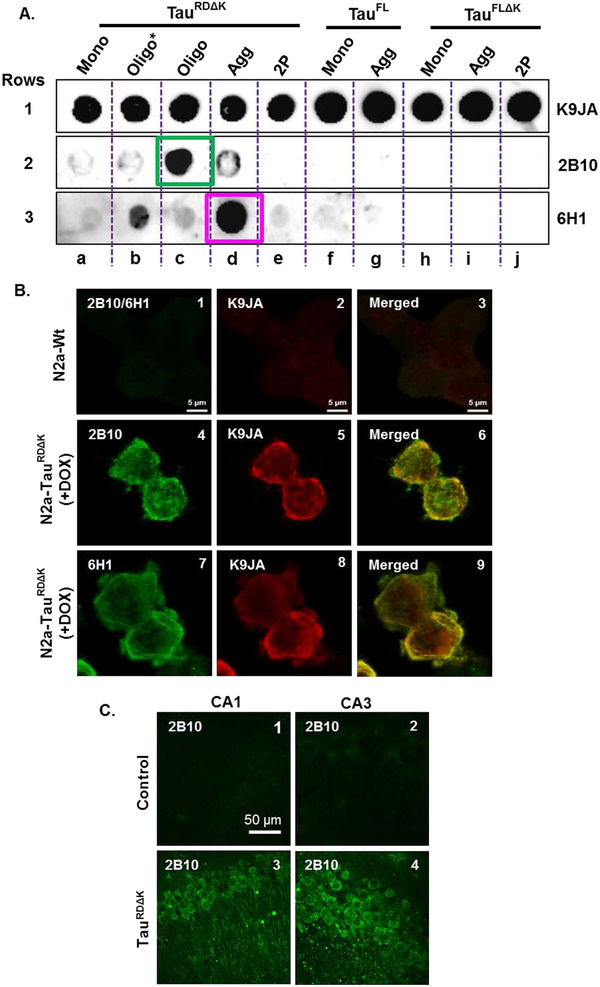
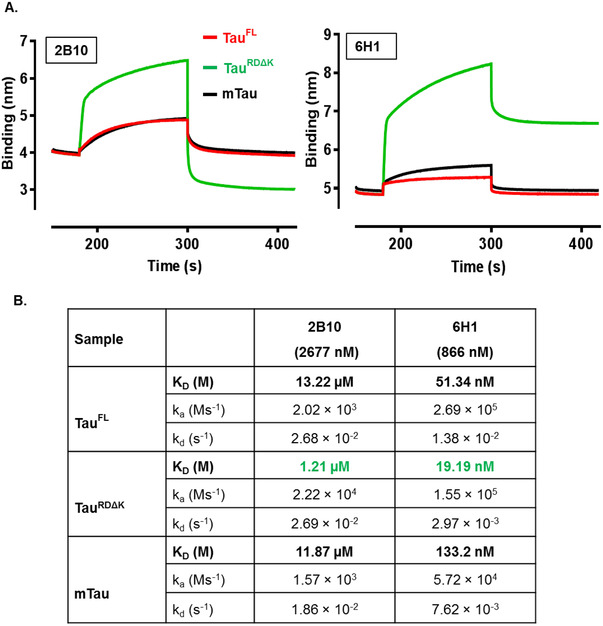
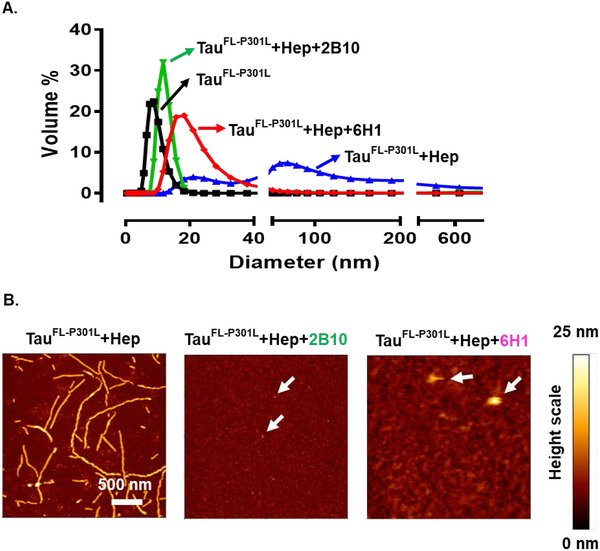
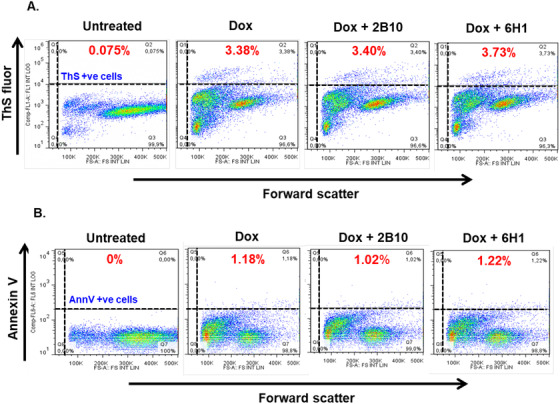
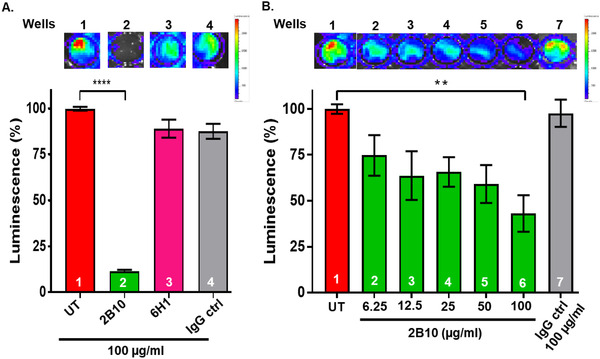
We have developed monoclonal antibodies against purified low-n tau oligomers of the tau repeat domain as a tool to neutralize tau aggregation and toxicity. In vitro aggregation inhibition was tested by thioflavin S, dynamic light scattering (DLS), and atomic force microscopy (AFM). Using a split-luciferase complementation assay and fluorescence-activated cell sorting (FACS), the inhibition of aggregation was analyzed in an N2a cell model of tauopathy.
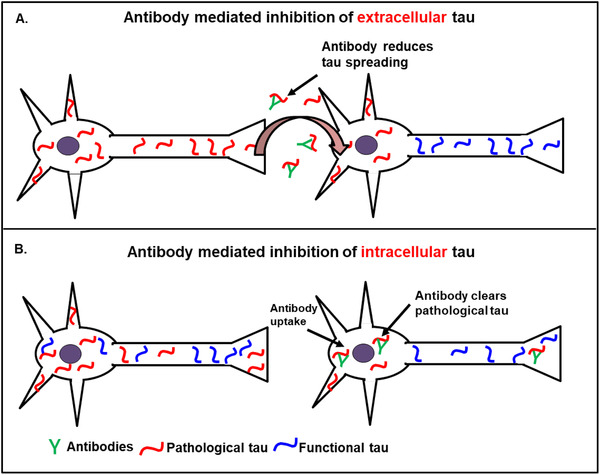
Antibodies inhibited tau aggregation in vitro up to ~90% by blocking tau at an oligomeric state. Some antibodies were able to block tau dimerization/oligomerization in cells, as measured by a split-luciferase complementation assay. Antibodies applied extracellularly were internalized and led to sequestration of tau into lysosomes for degradation.
Novel low-n tau oligomer specific monoclonal antibody inhibits Tau oligomerization in cells and promotes toxic tau clearance.
tau蛋白是一种天然未折叠的可溶性蛋白,在包括阿尔茨海默病(AD)在内的几种神经退行性疾病中会形成异常寡聚体和不溶性细丝。tau蛋白诱导的毒性主要归因于寡聚体,而非单体或原纤维。
我们开发了针对tau重复结构域纯化的低n tau寡聚体的单克隆抗体,作为中和tau蛋白聚集和毒性的工具。通过硫黄素S、动态光散射(DLS)和原子力显微镜(AFM)测试体外聚集抑制情况。使用分裂荧光素酶互补测定法和荧光激活细胞分选(FACS),在tau蛋白病的N2a细胞模型中分析聚集抑制情况。
抗体通过在寡聚状态下阻断tau蛋白,在体外抑制tau蛋白聚集高达约90%。如通过分裂荧光素酶互补测定法所测,一些抗体能够在细胞中阻断tau蛋白二聚化/寡聚化。细胞外应用的抗体被内化,并导致tau蛋白被隔离到溶酶体中进行降解。
新型低n tau寡聚体特异性单克隆抗体抑制细胞中的tau蛋白寡聚化,并促进有毒tau蛋白的清除。