Department of Translational Medicine, "Maggiore della Carità" Hospital, University of Eastern Piedmont, Via Solaroli, 17, 28 100, Novara, Italy.
Campus Bio-Medico University of Rome, Rome, Italy.
Am J Cardiovasc Drugs. 2020 Dec;20(6):559-570. doi: 10.1007/s40256-020-00446-6. Epub 2020 Nov 3.
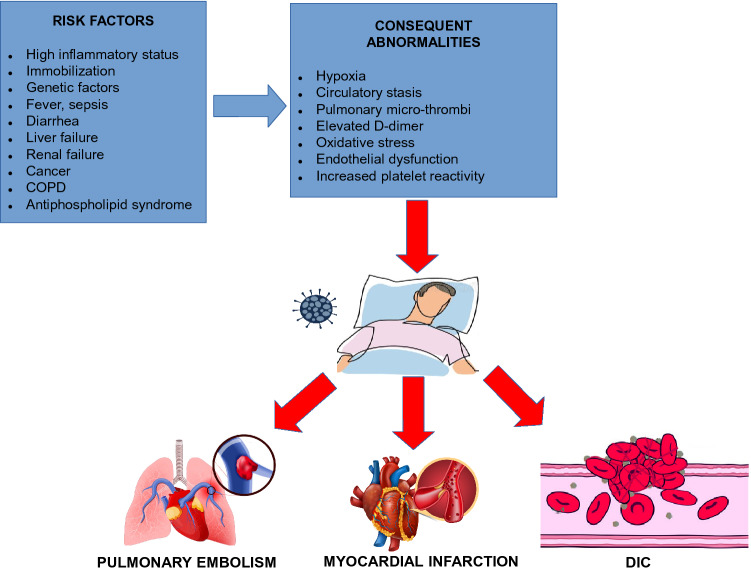
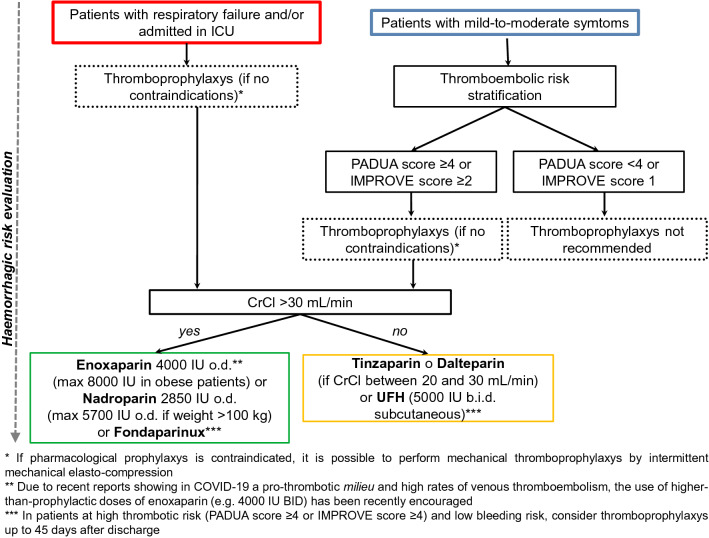
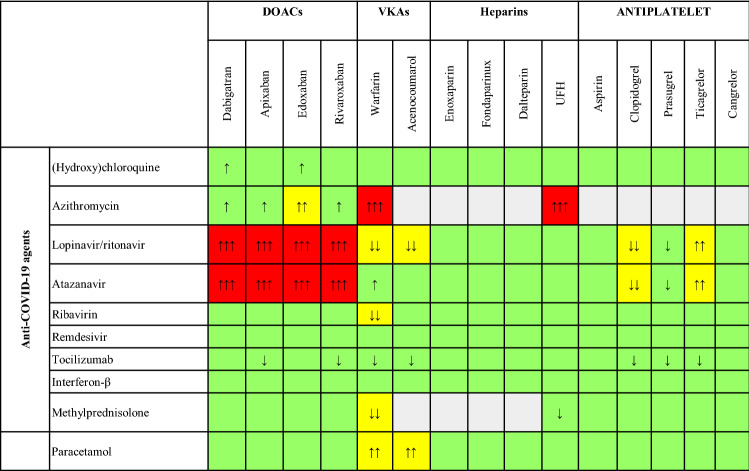
In patients with coronavirus disease 2019 (COVID-19), the prevalence of pre-existing cardiovascular diseases is elevated. Moreover, various features, also including pro-thrombotic status, further predispose these patients to increased risk of ischemic cardiovascular events. Thus, the identification of optimal antithrombotic strategies in terms of the risk-benefit ratio and outcome improvement in this setting is crucial. However, debated issues on antithrombotic therapies in patients with COVID-19 are multiple and relevant. In this article, we provide ten questions and answers on risk stratification and antiplatelet/anticoagulant treatments in patients at risk of/with severe acute respiratory syndrome coronavirus 2 (SARS-CoV-2) infection based on the scientific evidence gathered during the pandemic.
在 2019 冠状病毒病(COVID-19)患者中,先前存在的心血管疾病的患病率升高。此外,各种特征,包括促血栓形成状态,使这些患者进一步面临缺血性心血管事件风险增加。因此,在这种情况下,确定最佳的抗血栓形成策略,从风险-效益比和改善结果的角度来看,是至关重要的。然而,关于 COVID-19 患者抗血栓形成治疗的争议问题有很多,且都很重要。在本文中,我们根据大流行期间收集的科学证据,就 SARS-CoV-2 感染高危/确诊患者的风险分层和抗血小板/抗凝治疗提供了十个问题和答案。