Han Ting, Cheng Zhengwu, Xu Menglin, Wang Xiaoming, Wu Jian, Fang Xiaosan
Department of Gastrointestinal Surgery, The First Affiliated Hospital of Wannan Medical College, Wuhu 241000, People's Republic of China.
Department of Oncology, The First Affiliated Hospital of Wannan Medical College, Wuhu 241000, People's Republic of China.
Onco Targets Ther. 2020 Oct 27;13:10867-10876. doi: 10.2147/OTT.S266449. eCollection 2020.
In the present study, we aimed to explore the potential oncogenic property and the internal mechanism of yes-associated protein (YAP) in gastric cancer (GC).
YAP protein levels were evaluated in human GC tissues and paired normal tissues using immunohistochemistry (IHC). The role of YAP in regulating GC cell proliferation and migration was verified by genetic manipulation in vitro. Western blot analysis was used to determine the molecular signaling to explain the mechanism of the observed YAP effects in GC.
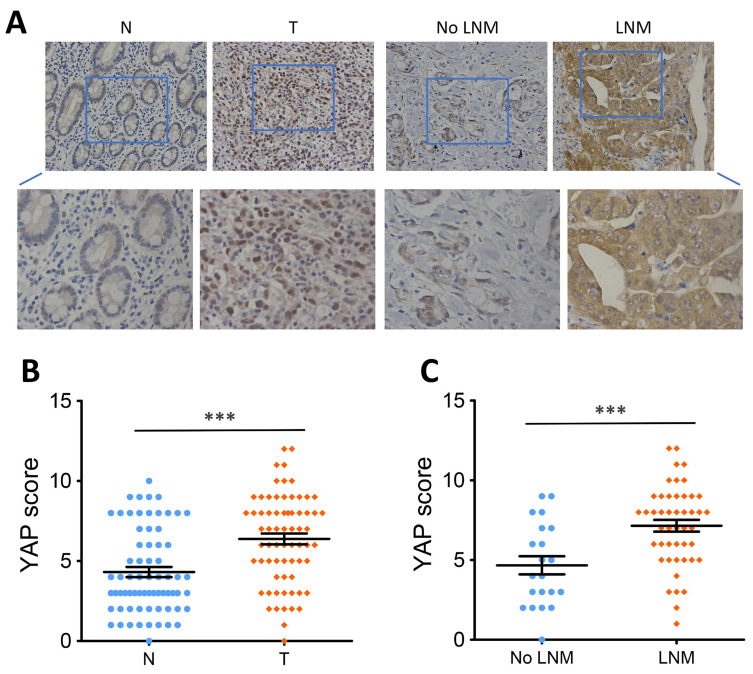
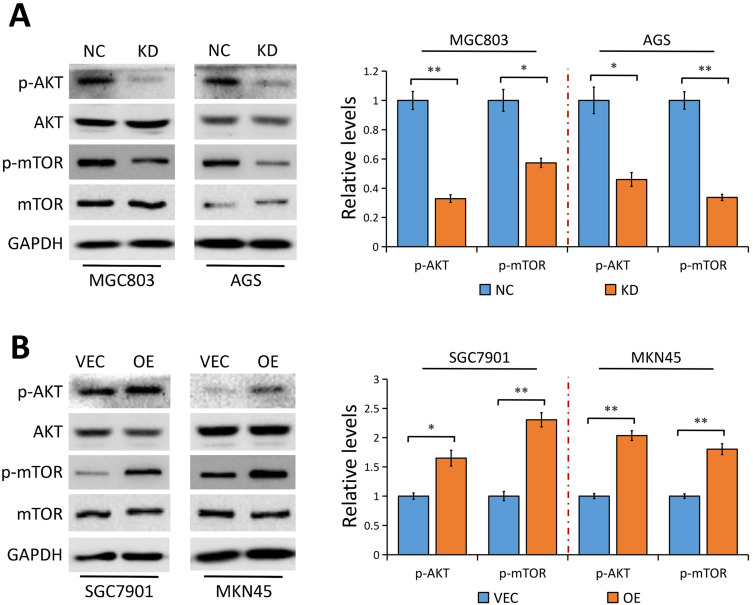
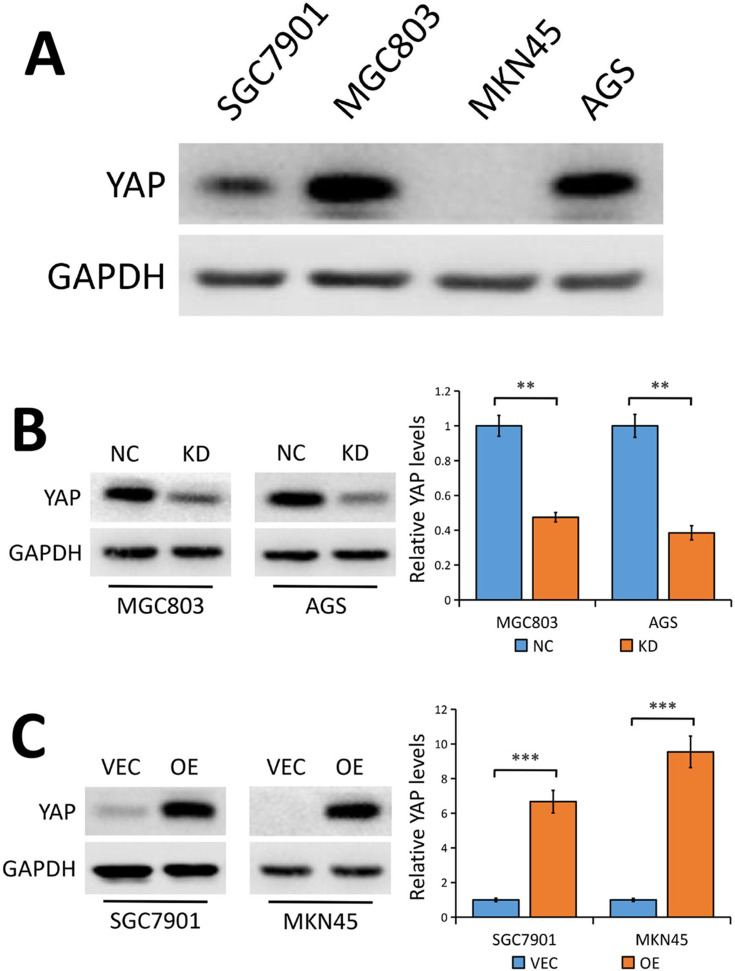
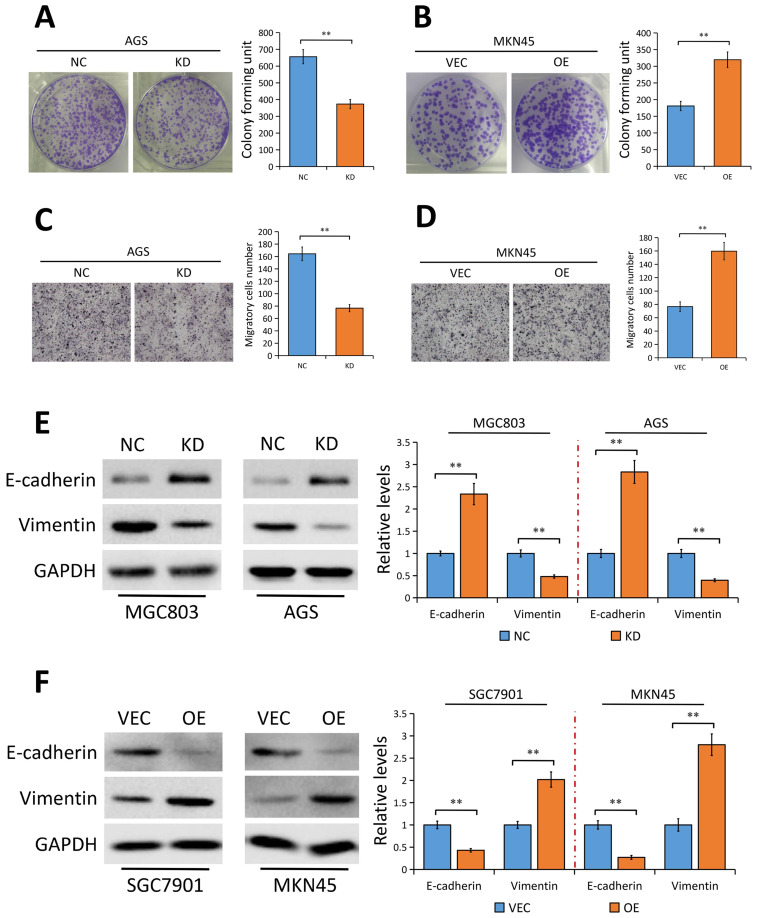
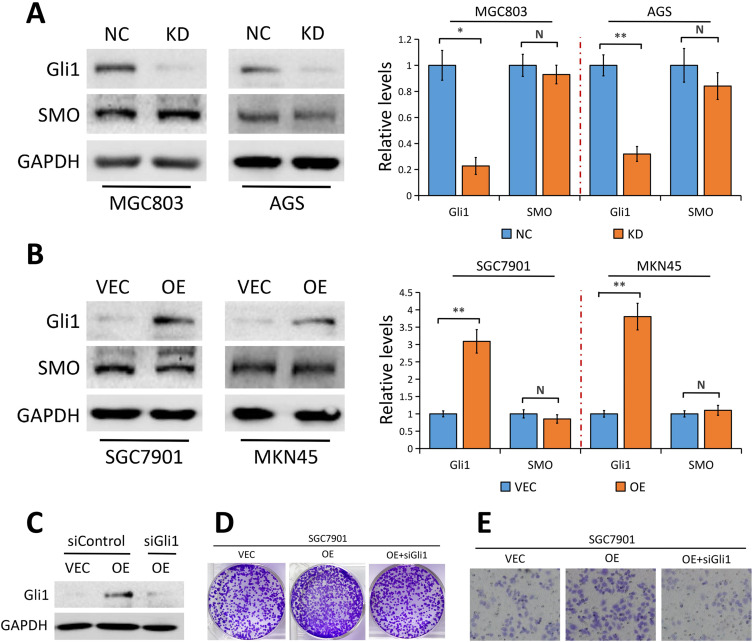
Nuclear YAP protein expression was upregulated in GC tissues, and high nuclear YAP level was significantly correlated with lymph node metastasis (LNM) and tumor node metastasis (TNM) stage in patients suffered from GC. YAP knockdown inhibited GC cell proliferation, migration and epithelial-mesenchymal transition (EMT) progress in vitro, whereas YAP elevation did the opposite. YAP regulated glioma-associated oncogene-1 (Gli1) expression independent of smoothened homolog (SMO). YAP modulated protein kinase B (AKT)/mechanistic target of rapamycin (mTOR) signaling pathway in GC cells.
YAP enhanced GC cell proliferation and migration potentially via its regulation of Gli1 expression through the non-classical Hedgehog pathway, indicating suppression of YAP/Gli1 signaling axis may highlight a new entry point for combination therapy of GC.
在本研究中,我们旨在探究Yes相关蛋白(YAP)在胃癌(GC)中的潜在致癌特性及内在机制。
采用免疫组织化学(IHC)法评估人GC组织及配对正常组织中YAP蛋白水平。通过体外基因操作验证YAP在调节GC细胞增殖和迁移中的作用。采用蛋白质印迹分析确定分子信号传导,以解释在GC中观察到的YAP效应的机制。
GC组织中核YAP蛋白表达上调,且GC患者中高核YAP水平与淋巴结转移(LNM)及肿瘤淋巴结转移(TNM)分期显著相关。YAP敲低在体外抑制GC细胞增殖、迁移及上皮-间质转化(EMT)进程,而YAP升高则产生相反作用。YAP独立于平滑肌瘤同源物(SMO)调节胶质瘤相关癌基因-1(Gli1)表达。YAP调节GC细胞中的蛋白激酶B(AKT)/雷帕霉素靶蛋白(mTOR)信号通路。
YAP可能通过非经典Hedgehog途径调节Gli1表达来增强GC细胞增殖和迁移,这表明抑制YAP/Gli1信号轴可能为GC联合治疗提供新的切入点。